Persian Halva
Rate this recipeBe the first to rate
 By AprilPublished
 Have you ever tried Persian Halva? If not, you're missing out on a sweet treat that will transport your taste buds to the Middle East.
 By AprilPublished
 Have you ever tried Persian Halva? If not, you're missing out on a sweet treat that will transport your taste buds to the Middle East.
In a saucepan, bring the sugar and water to a boil. Stir constantly until the sugar is completely dissolved, which should take about 5 minutes.
Add the rosewater and saffron to the sugar mixture. Cover the saucepan and remove it from the heat.
In a separate large saucepan, melt the butter over low heat. Stir in the flour until the mixture becomes a smooth paste. Continue to cook and stir occasionally until the paste turns golden, which should take around 5 to 10 minutes more.
Slowly whisk the sugar mixture into the paste until it becomes smooth. Remove the saucepan from the heat.
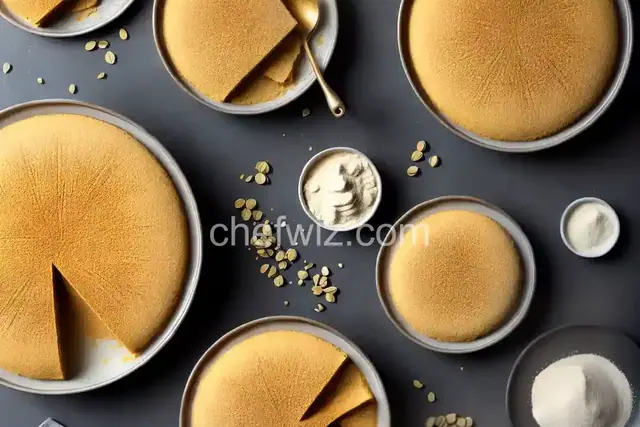
Evenly spread the halva onto a plate or platter. Use the back of a spoon or a knife to create a decorative pattern on the top of the halva.
Cover the halva with plastic wrap and refrigerate it until it sets, which typically takes at least 1 hour.
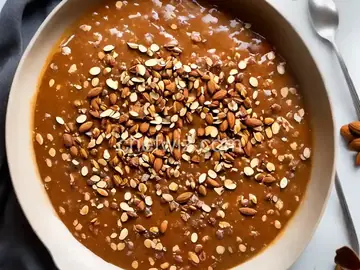
If you prefer a cholesterol-free version, you can substitute 1 cup of flavorless vegetable oil for the butter. You can also decorate the top of the halva with whole pistachios, almonds, or by simply sprinkling chopped nuts over it.
Rosewater can be found at most Middle Eastern grocery stores and many health-food stores.
Have you ever tried Persian Halva? If not, you're missing out on a sweet treat that will transport your taste buds to the Middle East. This delectable dessert is a staple in Iranian cuisine and is loved by people all over the world. In this article, we will explore the origins of Persian Halva and why it has gained such popularity. So, grab a cup of tea and join us on this flavorful journey!
Persian Halva, also known as "Halva Ardeh," has a rich history that dates back centuries. It is believed to have originated in the Persian Empire, which spanned from modern-day Iran to parts of Central Asia and the Middle East. The word "Halva" itself is derived from the Arabic word for "sweet," and it aptly describes this dessert's nature.
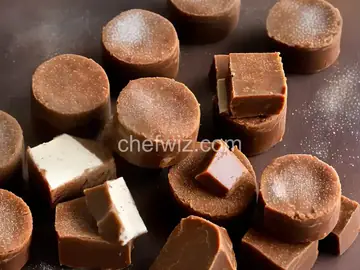
Traditionally, Persian Halva is made from a few simple ingredients, including flour, sugar, butter, and rosewater. The mixture is cooked over low heat until it reaches a thick, fudge-like consistency. Nuts, such as pistachios or almonds, are often added for extra flavor and texture.
One of the reasons why Persian Halva has gained such popularity worldwide is its unique taste and texture. The combination of the sweet, buttery base with the crunchy nuts creates a delightful experience for the senses. It's like taking a trip to the bustling markets of Tehran without leaving your kitchen!
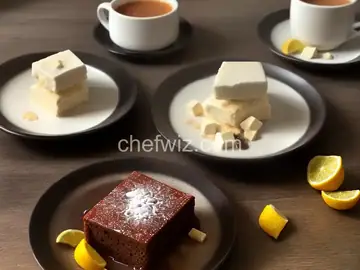
Another factor contributing to Persian Halva's popularity is its versatility. This dessert can be enjoyed on its own, or it can be used as a topping for other desserts. Some people even enjoy it with a cup of tea or coffee for a decadent afternoon treat. No matter how you choose to enjoy it, Persian Halva is sure to satisfy your sweet tooth.
Making Persian Halva at home is easier than you might think. With just a few simple ingredients and some patience, you can create a batch of this delectable dessert. Here's a simplified version of the recipe:
Now that you know how to make Persian Halva, it's time to indulge in its irresistible flavors. Whether you're a fan of Middle Eastern cuisine or simply love trying new desserts, this sweet treat is a must-try. So, gather your ingredients and get ready to embark on a culinary adventure!
Persian Halva is more than just a dessert. It's a delightful journey for your taste buds, taking you on a trip to the Middle East. With its rich history, unique flavors, and versatility, this sweet treat has captured the hearts of people around the world. So, why not try making Persian Halva at home and experience its magic for yourself? Your taste buds will thank you!
Yes, you can use gluten-free flour as a substitute in this recipe. Just make sure to check the packaging for any specific instructions or measurements.
Stored in an airtight container, Persian Halva can last for up to two weeks. However, it's so delicious that it's unlikely to last that long!
Absolutely! Feel free to experiment with different nuts, such as pistachios, almonds, or walnuts, to add your own personal touch to the recipe.
While it's possible to freeze Persian Halva, it may affect the texture slightly. It's best enjoyed fresh, but if you have leftovers, freezing is an option.
Traditional Persian Halva contains butter, which is not vegan. However, you can easily make a vegan version by substituting the butter with a plant-based alternative.
Absolutely! While rosewater is the traditional flavoring, you can experiment with other extracts, such as vanilla or almond, to create your own unique twist.
While Persian Halva requires some patience and attention to detail, it is not overly difficult to make. With practice, you'll become a master at creating this delicious dessert.
Certainly! Persian Halva is a wonderful addition to any special occasion. Its rich flavors and beautiful presentation make it a hit at parties and gatherings.
AprilCook, recipe developer and the heart of Chefwiz. More about April