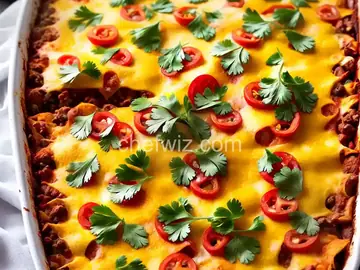
Perlow (A Southern Rice Dish)
Rate this recipeBe the first to rate
 By AprilPublished
 Rice is a staple food in many cultures around the world. It can be prepared in various ways, each with its own unique flavors and textures.
 By AprilPublished
 Rice is a staple food in many cultures around the world. It can be prepared in various ways, each with its own unique flavors and textures.
Begin by preparing and trimming the bacon. Chop it into large bite-sized pieces.
In a large skillet, fry the bacon over high heat for approximately 5 minutes, stirring frequently.
Add the onions and celery to the skillet and continue cooking for another 10-15 minutes, stirring often, until the bacon and onions are nicely browned. Be careful not to let them burn.
Drain most of the grease from the skillet, leaving a small amount behind.
Incorporate the green peppers, garlic, tomatoes, and seasoning into the skillet. Saut� the mixture for approximately 5 minutes, stirring frequently.
Add the rice and water to the skillet, stirring often. Bring the mixture to a boil.
Once boiling, cover the skillet with a tight-fitting lid, reduce the heat to low, and let it simmer for 25 minutes.
Remove the skillet from the heat. Fluff the rice with a fork, cover it again, and allow it to sit off the heat for an additional 15-20 minutes before serving.
Serve and enjoy your delicious dish!
Rice is a staple food in many cultures around the world. It can be prepared in various ways, each with its own unique flavors and textures. One such dish is Perlow, a Southern rice dish that is beloved for its hearty and comforting qualities. In this article, we will explore the origins of Perlow, how it is prepared, and why it has become a favorite among many.
Perlow is a dish that has its roots in the Southern United States. It is believed to have originated from African and Native American culinary traditions, and over the years, it has evolved into a beloved Southern comfort food. The dish typically consists of rice, meat (often chicken or pork), and a variety of vegetables.
Preparing Perlow requires a bit of time and patience, but the end result is well worth the effort. The first step is to cook the rice until it is fluffy and tender. While the rice is cooking, the meat is usually browned in a separate pan to enhance its flavor. Once the meat is cooked, it is combined with the rice and simmered together with a medley of vegetables, such as bell peppers, onions, and tomatoes. The dish is then seasoned with herbs and spices to add depth and complexity to the flavors.
Perlow is a dish that offers a delightful combination of flavors and textures. The rice is soft and fluffy, while the meat adds a savory and rich element to the dish. The vegetables provide a hint of freshness and a satisfying crunch. When all the ingredients come together, they create a harmonious symphony of taste that is both comforting and delicious.
Perlow has become a favorite among many for several reasons. Firstly, it is a versatile dish that can be customized to suit individual preferences. You can experiment with different meats, vegetables, and seasonings to create your own unique version of Perlow. Secondly, it is a filling and satisfying meal that is perfect for large gatherings or cozy family dinners. Lastly, the flavors of Perlow are deeply comforting and nostalgic, offering a taste of Southern hospitality with every bite.
Perlow is a delightful Southern rice dish that offers a comforting and flavorful experience. With its origins rooted in African and Native American culinary traditions, it has become a favorite among many for its versatility and heartiness. Whether you enjoy it with meat or make it vegetarian, Perlow is sure to satisfy your taste buds and leave you craving for more.
Yes, you can use different types of rice for Perlow. While long-grain rice is commonly used, you can experiment with other varieties such as jasmine or basmati to add a unique twist to the dish.
Absolutely! Perlow can be easily adapted to a vegetarian or vegan diet. Simply omit the meat and replace it with plant-based protein alternatives like tofu or tempeh. The vegetables and seasonings will still create a delicious and satisfying dish.
Yes, Perlow can be made ahead of time and stored in the refrigerator. The flavors will continue to meld together, resulting in an even more flavorful dish. Just be sure to reheat it thoroughly before serving.
Perlow is a versatile dish that can be enjoyed on its own or paired with other Southern favorites. It pairs well with fried chicken, collard greens, and cornbread. You can also serve it alongside a fresh salad for a lighter meal.
Perlow is naturally gluten-free as long as you use gluten-free ingredients. Be sure to check the labels of any pre-packaged seasonings or broth to ensure they are gluten-free.
Yes, Perlow can be frozen for future meals. Simply let it cool completely, portion it into freezer-safe containers, and store it in the freezer. When you're ready to enjoy it, thaw it in the refrigerator overnight and reheat it on the stove or in the microwave.
Absolutely! Perlow is a versatile dish that can be customized to include your favorite vegetables. Consider adding carrots, celery, or even okra to enhance the flavors and textures.
Yes, you can make Perlow in a slow cooker. Simply follow the same steps of browning the meat and cooking the rice, then transfer everything to the slow cooker along with the vegetables and seasonings. Cook on low for 6-8 hours or on high for 3-4 hours until the flavors meld together.
Absolutely! If you enjoy a bit of heat, you can add spices like cayenne pepper or hot sauce to your Perlow. Just be sure to adjust the amount to your personal preference so you don't overpower the other flavors.
AprilCook, recipe developer and the heart of Chefwiz. More about April