Perfectly Roasted Vegetables
Rate this recipeBe the first to rate
 By AprilPublished
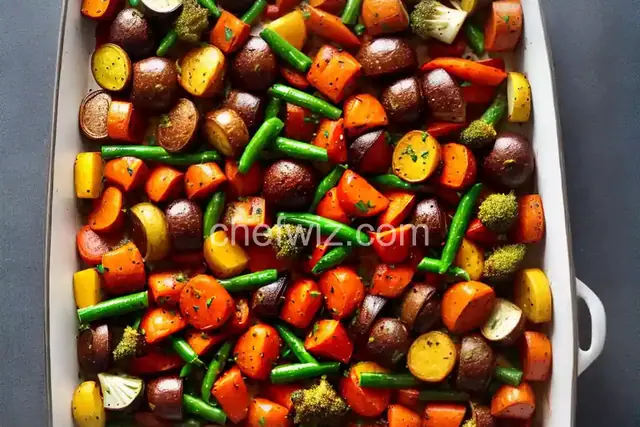
 Are you tired of soggy vegetables that lack flavor? Do you want to know the secret to achieving perfectly roasted vegetables every time?
 By AprilPublished
 Are you tired of soggy vegetables that lack flavor? Do you want to know the secret to achieving perfectly roasted vegetables every time?
Preheat the oven to 425 degrees F (220 degrees C). Place the oven rack on the second-lowest level.
In a bowl, fill it with lightly salted water. Add Brussels sprouts to the water and let them sit for approximately 15 minutes. Then, drain the water.
In a separate bowl, mix together potatoes, carrots, cauliflower, beets, shallot, olive oil, salt, and pepper.
Arrange the mixed vegetables in a single layer on a baking sheet.
Place the baking sheet in the preheated oven and roast the vegetables for about 45 minutes, or until they become caramelized and fully cooked.
Note: You can use any amount and combination of vegetables based on your preference. Options for substitution include regular carrots, yellow or pearl onions, any type of potato (including yams or sweet potatoes), asparagus, etc.
Are you tired of soggy vegetables that lack flavor? Do you want to know the secret to achieving perfectly roasted vegetables every time? Look no further! In this article, we will explore the art of roasting vegetables to perfection. Whether you are a seasoned chef or a novice in the kitchen, follow these tips and tricks to elevate your vegetable game and impress your friends and family.
Roasting vegetables is like turning ordinary ingredients into something extraordinary. The process of roasting brings out the natural sweetness of vegetables, intensifying their flavors and creating a delightful caramelization. The result is a dish that is both nutritious and delicious.
Imagine the vibrant colors of roasted carrots, the crispy exterior of roasted potatoes, and the tender goodness of roasted Brussels sprouts. With a little heat and some patience, you can transform any vegetable into a culinary masterpiece.
Not all vegetables are created equal when it comes to roasting. Some vegetables lend themselves better to roasting than others. Root vegetables like carrots, potatoes, and sweet potatoes are excellent choices as they have a natural sweetness that intensifies during the roasting process.
Cruciferous vegetables such as broccoli, cauliflower, and Brussels sprouts also work well. They develop a lovely char and become tender on the inside, creating a satisfying contrast of textures.
Before you start roasting, it's important to prepare your vegetables properly. Start by washing and peeling the vegetables as needed. Then, cut them into uniform pieces to ensure even cooking. This will prevent some pieces from being overcooked while others remain undercooked.
Remember to remove any tough stems or leaves and discard them. You want to focus on the edible parts that will roast beautifully.
To achieve perfectly roasted vegetables, follow these simple steps:
Preheat your oven to the desired temperature. Generally, a temperature of 400°F (200°C) works well for most vegetables. The high heat helps to caramelize the vegetables and create that desirable crispy exterior.
Place the prepared vegetables in a bowl and drizzle them with olive oil or any other oil of your preference. Season generously with salt, pepper, and any other herbs or spices you like. Toss everything together to ensure all the vegetables are coated evenly.
Next, spread the vegetables in a single layer on a baking sheet. This allows for even heat distribution and ensures that the vegetables roast evenly. If the vegetables are crowded on the baking sheet, they will steam instead of roast, resulting in a less desirable texture.
Place the baking sheet in the preheated oven and let the magic happen. Depending on the size and type of vegetables, roasting time can vary. Generally, it takes about 20-30 minutes, but keep an eye on them and stir occasionally to prevent any burning.
The vegetables are ready when they are golden brown, slightly crispy on the outside, and tender on the inside. You can test their doneness by piercing them with a fork. If it goes in easily, they are done.
Roasting vegetables is a simple yet transformative cooking technique that can turn any vegetable into a star dish. By choosing the right vegetables, preparing them properly, and following the roasting process, you can achieve perfectly roasted vegetables every time.
So the next time you want to add some pizzazz to your dinner table, give roasting a try. Your taste buds will thank you!
A1: While it is possible to roast frozen vegetables, it is best to thaw them before roasting. This ensures even cooking and prevents excess moisture from affecting the texture of the roasted vegetables.
A2: Yes, you can use parchment paper to line your baking sheet. It helps to prevent sticking and makes cleanup easier.
A3: Absolutely! Roasted vegetables can be made ahead of time and stored in the refrigerator. They can be reheated in the oven or enjoyed cold in salads or wraps.
A4: Yes, you can mix different vegetables together for roasting. Just make sure they have similar cooking times to avoid undercooking or overcooking certain vegetables.
A5: Yes, you can use other oils like avocado oil, coconut oil, or vegetable oil for roasting vegetables. Each oil will impart its own unique flavor to the roasted vegetables.
A6: While oil helps to enhance the flavor and crispness of roasted vegetables, you can roast them without oil if you prefer a lighter option. Just make sure to toss them with your desired seasonings before roasting.
A7: To prevent vegetables from burning, keep an eye on them while they are roasting. Stirring them occasionally and adjusting the oven temperature if needed can help prevent burning.
A8: Yes, you can roast vegetables on the grill. Use a grill basket or skewers to prevent the vegetables from falling through the grates. Keep an eye on them as they may cook faster on the grill compared to the oven.
AprilCook, recipe developer and the heart of Chefwiz. More about April