Perfectly Flaky Pie Crust
Rate this recipeBe the first to rate
 By AprilPublished
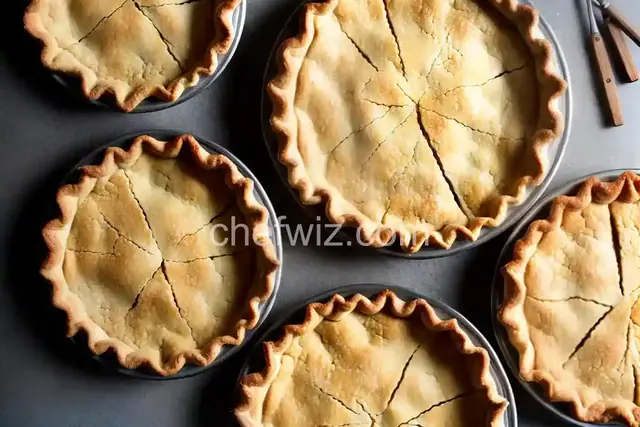
Who doesn't love a delicious homemade pie with a perfectly flaky crust that melts in your mouth?
 By AprilPublished
Who doesn't love a delicious homemade pie with a perfectly flaky crust that melts in your mouth?
In a large bowl, combine the flour, salt, and sugar.
Add the butter to the bowl and toss until the butter is coated.
Use your hands to rub the butter into the flour mixture until it resembles lima bean-sized pieces and clumps together when squeezed.
Add the shortening to the bowl and toss until coated in flour.
Rub the shortening into the flour mixture until it forms pea-sized pieces with some larger chunks remaining and clumps together when squeezed.
Gradually drizzle in half of the ice water and mix with your fingers until just moistened.
Drizzle in the remaining water, one tablespoon at a time, and mix with your fingers until the dough comes together. It should go from being a shaggy mess to a cohesive mixture.
The dough should be moist but not wet when pressed. Be careful not to overwork it, as this will make it tough.
While rotating the bowl with one hand, use your other hand to push the dough against the side of the bowl to gather it into a ball.
Transfer the dough onto a sheet of plastic wrap and press it into a flat disk shape.
Wrap the dough tightly in the plastic wrap and refrigerate it in the coldest part of the refrigerator for at least 30 minutes before rolling it out and forming it into a crust.
Who doesn't love a delicious homemade pie with a perfectly flaky crust that melts in your mouth? A well-made pie crust can make all the difference between a mediocre pie and a show-stopping dessert. In this article, we will explore the secrets to creating a perfectly flaky pie crust that will have your friends and family begging for more.
Imagine biting into a pie with a crust that is tough and chewy. It would be a disappointment, right? A flaky pie crust, on the other hand, adds a light and delicate texture to your pie, complementing the filling and elevating the overall taste. It's like the foundation of a beautiful house, providing support and structure to the pie.
Just like any recipe, the quality of your ingredients will greatly impact the final result. When it comes to pie crust, simplicity is key. All you need is flour, butter (or shortening), salt, and water. But it's the quality of these ingredients that matters. Using high-quality butter and fresh flour will make a noticeable difference in the texture and taste of your crust.
Butter, or other fats like shortening, plays a crucial role in creating a flaky pie crust. When the fat is mixed with the flour, it creates small pockets of air that give the crust its flakiness. The key is to keep the fat cold throughout the process so that it doesn't melt too quickly and make the crust greasy. Think of it as little nuggets of joy, waiting to burst into flaky layers in the oven.
Once you have your ingredients ready, it's time to bring them together to create the perfect dough. The secret is in the mixing and rolling. Gentle handling of the dough is essential to prevent gluten formation, which can make the crust tough. It's like working with delicate silk, treating it with care and precision.
Before rolling out the dough, it's important to let it rest and chill in the refrigerator. This allows the gluten to relax and prevents shrinkage during baking. It's like giving your dough a spa treatment, allowing it to rejuvenate and become more pliable.
Rolling the dough to the right thickness is crucial. Too thin, and it may become brittle and break easily. Too thick, and it may not cook evenly. Finding the perfect balance is like walking a tightrope, where precision is key.
After all the hard work of mixing and rolling, it's finally time to bake your pie crust. Preheat the oven and blind bake the crust before adding the filling. This helps to set the crust and prevent it from becoming soggy. It's like giving your crust a head start, ensuring it stays crisp and flaky.
A perfectly flaky pie crust is the secret to a truly exceptional pie. By choosing the right ingredients, handling the dough with care, and baking it to perfection, you can create a crust that will impress everyone. So, roll up your sleeves, gather your ingredients, and start baking! Your pie-loving taste buds will thank you.
While butter is preferred for its flavor and richness, you can substitute margarine. However, keep in mind that margarine has a higher water content, which may affect the texture of the crust.
It's best to chill the dough for at least 30 minutes. This allows the fat to solidify and makes the dough easier to handle.
Yes, you can freeze the dough for future use. Just wrap it tightly in plastic wrap and store it in the freezer for up to three months. Thaw it in the refrigerator before using.
To prevent a soggy bottom crust, you can brush the unbaked crust with beaten egg white before adding the filling. This creates a barrier and helps to seal the crust.
Both glass and metal pie dishes work well. Glass allows you to see the browning of the crust, while metal conducts heat more efficiently. Choose based on your preference.
To prevent the crust from shrinking, make sure to let the dough rest and chill before rolling it out. Additionally, avoid stretching the dough when placing it in the pie dish.
Absolutely! Adding spices like cinnamon, nutmeg, or even herbs like rosemary can add a delightful flavor to your crust. Experiment and find your favorite combination.
Yes, you can use a food processor to make the dough. Just be careful not to overmix, as it can lead to gluten formation and a tough crust.
AprilCook, recipe developer and the heart of Chefwiz. More about April