Perfect White Rice
Rate this recipeBe the first to rate
 By AprilPublished
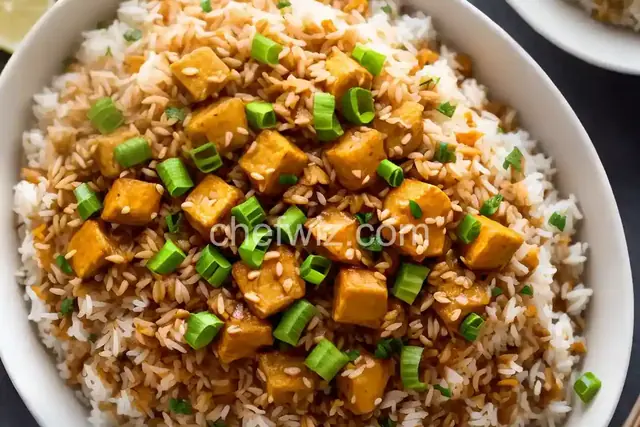
 Have you ever struggled to make perfectly fluffy white rice? Don't worry, you're not alone!
 By AprilPublished
 Have you ever struggled to make perfectly fluffy white rice? Don't worry, you're not alone!
In a medium saucepan, melt the butter over medium heat.
Add the rice to the saucepan and stir until the rice grains are coated with butter. Cook for about 1 to 2 minutes, making sure not to brown the rice.
Pour the water and salt into the saucepan with the rice.
Bring the mixture to a boil and then reduce the heat to low.
Cover the saucepan and let the rice simmer for 15 minutes. Do not lift the lid during this time.
After 15 minutes, remove the saucepan from the heat and keep it covered for an additional 5 minutes.
Before serving, fluff the rice with a fork.
For a more flavorful side dish, you can use broth or stock instead of water. You can also add herbs or seasonings that complement the main dish.
If you want to double the recipe, use 3 3/4 cups of water instead of the original amount.
Have you ever struggled to make perfectly fluffy white rice? Don't worry, you're not alone! Cooking rice may seem simple, but achieving that ideal texture and taste can be a challenge. In this article, we will explore the secrets to cooking perfect white rice every time. So, let's dive in!
Did you know that not all rice is created equal? When it comes to cooking perfect white rice, choosing the right variety is crucial. Opt for long-grain white rice like jasmine or basmati for the best results. These varieties have a lower starch content, which helps the grains stay separate and fluffy when cooked.
One of the key steps to achieving perfect white rice is rinsing and soaking the grains before cooking. Rinsing the rice removes excess starch, resulting in fluffier cooked grains. Additionally, soaking the rice for 15-30 minutes before cooking helps the grains absorb water evenly for more consistent cooking.
Getting the water-to-rice ratio right is essential for cooking perfect white rice. The general rule of thumb is to use a 1:2 ratio, which means one cup of rice requires two cups of water. However, this ratio may vary slightly depending on the rice variety and personal preference. Adjust the amount of water accordingly to achieve your desired texture.
Once you have rinsed and soaked the rice and measured the water, it's time to cook it. Start by bringing the water to a boil in a saucepan. Then, add the rice, give it a gentle stir, and reduce the heat to low. Cover the saucepan with a tight-fitting lid and let the rice simmer for about 15-20 minutes. Avoid peeking or stirring the rice during cooking, as this can affect the texture.
After simmering, turn off the heat and let the rice rest for about 5-10 minutes. This resting period allows the steam to distribute evenly, resulting in perfectly cooked rice. Once the resting time is up, fluff the rice gently with a fork to separate the grains and release any excess steam.
While long-grain white rice is the ideal choice, you can experiment with other varieties. Just keep in mind that the cooking times and water ratios may vary.
Soaking the rice is not mandatory, but it can help achieve better results. It allows the grains to absorb water evenly, resulting in more consistent cooking.
To prevent sticking, make sure to use a heavy-bottomed saucepan and avoid stirring the rice while it's cooking. Also, fluff the rice immediately after cooking to prevent clumping.
Absolutely! You can add a pinch of salt or a tablespoon of butter or oil to enhance the flavor of your white rice. Experiment with different herbs and spices to create unique variations.
Cooked white rice can be stored in the refrigerator for up to 4-6 days. Make sure to store it in an airtight container to maintain its freshness.
Yes, you can freeze cooked white rice. Portion it into freezer-safe bags or containers and store it for up to 6 months. Just remember to thaw it properly before reheating.
Absolutely! You can reheat cooked white rice in the microwave or on the stovetop. Add a splash of water to prevent it from drying out.
The cooking method for brown rice is slightly different. It requires a longer cooking time and a bit more water. Consult the package instructions or follow a specific recipe for cooking perfect brown rice.
In conclusion, cooking perfect white rice is a matter of choosing the right rice, rinsing and soaking, and using the correct water-to-rice ratio. Remember to bring it to a boil, let it simmer, and allow it to rest before fluffing it up. With these tips and tricks, you'll be able to impress your family and friends with fluffy, delicious white rice every time!
AprilCook, recipe developer and the heart of Chefwiz. More about April