Perfect Lobster Tails
Rate this recipeBe the first to rate
 By AprilPublished
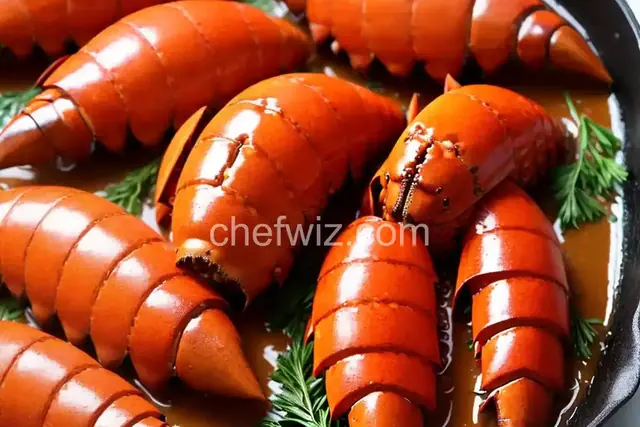
 Imagine sinking your teeth into a succulent lobster tail, perfectly cooked to tender perfection.
 By AprilPublished
 Imagine sinking your teeth into a succulent lobster tail, perfectly cooked to tender perfection.
Preheat the broiler.
Place a wire cooling rack inside a rimmed baking sheet.
Using kitchen shears, cut the top shell of the lobster tails lengthwise down the middle.
With a knife, cut all the way through the tails to split them into 2 pieces.
Place the lobster tails flesh-side up on the prepared baking sheet.
In a small bowl, combine the butter, parsley, shallot, lemon zest, 1/2 teaspoon salt, and a few grinds of pepper.
Spread 2 teaspoons of the compound butter on the flesh of each lobster tail half.
Broil the lobster tails until the shells turn a bright orange, the flesh is opaque and cooked through, and the tails begin to curl (about 4 minutes).
Transfer the lobster tails to a serving platter.
Top each lobster tail half with another teaspoon of the compound butter (save the remaining butter for another use).
Imagine sinking your teeth into a succulent lobster tail, perfectly cooked to tender perfection. The sweet and buttery flavor dances on your taste buds, leaving you craving for more. Whether you're a seafood lover or someone looking to impress their dinner guests, mastering the art of cooking lobster tails is a skill worth acquiring. In this article, we will explore everything you need to know to achieve the perfect lobster tails every time.
When it comes to selecting the best lobster tails, freshness is key. Look for tails that are firm to the touch, with a vibrant and translucent color. Avoid tails that have a strong fishy smell or feel soft and mushy. Opt for larger tails, as they tend to be more flavorful and meaty.
Before you start cooking, it's essential to prepare the lobster tails properly. Begin by thawing them if they are frozen. This can be done by placing them in the refrigerator overnight or using the cold-water thawing method. Once thawed, use kitchen shears to carefully cut the top of the shell lengthwise, exposing the meat.
There are various cooking methods you can choose from to cook your lobster tails. Grilling, broiling, baking, and steaming are all popular options. Each method offers a unique flavor profile and texture. Grilling imparts a smoky char, while broiling gives a delicious caramelized crust. Baking ensures a moist and tender result, while steaming preserves the natural sweetness of the lobster meat.
To grill lobster tails, brush them with melted butter and season with your favorite herbs and spices. Place them on a preheated grill and cook for about 5-6 minutes per side, until the meat is opaque and firm.
For a decadent broiled lobster tail, brush the meat with melted butter and season as desired. Place the tails on a baking sheet and broil for 8-10 minutes, until the meat is opaque and slightly charred.
Baking lobster tails is a foolproof method for achieving tender and juicy meat. Preheat your oven to 425°F (220°C). Place the seasoned tails on a baking sheet and bake for 12-15 minutes, until the internal temperature reaches 140°F (60°C).
Steaming is an excellent option for preserving the delicate flavor of lobster tails. Fill a large pot with about 2 inches of water and bring it to a boil. Place the tails in a steamer basket and steam for 8-10 minutes, until the meat is opaque and tender.
Once your lobster tails are cooked to perfection, it's time to plate them up and enjoy. Serve them with a side of melted butter for dipping and a squeeze of fresh lemon juice for a burst of acidity. Pair them with a crisp salad or some garlic butter roasted vegetables for a well-rounded meal.
Mastering the art of cooking perfect lobster tails is a culinary achievement that will elevate your seafood game. Whether you choose to grill, broil, bake, or steam, the key lies in selecting the freshest tails and using proper cooking techniques. With a little practice and some adventurous spirit, you'll be able to create a lobster feast that will leave your guests in awe.
Thawing frozen lobster tails can take anywhere from 24 to 48 hours in the refrigerator or about 1 hour using the cold-water thawing method.
It is best to thaw lobster tails before cooking them to ensure even and thorough cooking.
Lobster tails are fully cooked when the meat is opaque and firm, and the internal temperature reaches 140°F (60°C).
Yes, you can use frozen lobster tails for grilling or broiling, but make sure to thaw them first for even cooking.
Absolutely! Leftover cooked lobster tails can be used in various dishes like lobster rolls, pasta, or salads.
To prevent lobster tails from drying out, avoid overcooking them and brush them with melted butter or olive oil before cooking.
Yes, you can freeze cooked lobster tails. Just make sure to wrap them tightly in plastic wrap or place them in an airtight container before freezing.
The green stuff inside the lobster tail is the tomalley, which is the liver and pancreas of the lobster. While it is safe to eat, some people prefer to remove it due to its strong flavor.
AprilCook, recipe developer and the heart of Chefwiz. More about April