Peppercorn Sauce
Rate this recipeBe the first to rate
 By AprilPublished
 Are you looking to elevate your next meal with a burst of flavor?
 By AprilPublished
 Are you looking to elevate your next meal with a burst of flavor?
Cook the steaks in a skillet and arrange them in a single layer.
Remove the steaks from the skillet and leave only 1 tablespoon of fat in the pan juices.
Add shallots and minced garlic to the skillet and cook for 1 to 2 minutes, or until they become softened.
Deglaze the skillet with Cognac, making sure to scrape up any bits that are stuck to the pan.
Pour in the stock or canned beef broth and add the peppercorns.
In a small bowl, combine the heavy cream and cornstarch.
Whisk the cornstarch mixture into the sauce and let it simmer until it thickens slightly.
Whisk in the mustard and pour the juices from the plate into the pan.
Are you looking to elevate your next meal with a burst of flavor? Look no further than peppercorn sauce. This versatile and delectable sauce is the perfect accompaniment to a wide range of dishes, from steaks and roasts to poultry and vegetables. In this article, we'll dive into the wonderful world of peppercorn sauce, exploring its origins, variations, and how you can create your own mouthwatering version at home.
Peppercorn sauce has a rich history that dates back centuries. It is believed to have originated in France, where it was commonly served alongside grilled or roasted meats. The sauce gets its name from one of its key ingredients: black peppercorns. These tiny, pungent seeds add a unique and bold flavor to the sauce, making it a favorite among food enthusiasts.
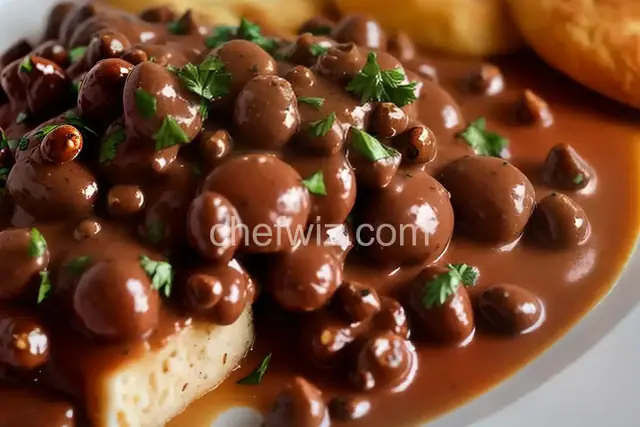
What sets peppercorn sauce apart from other condiments is its distinct flavor profile. The combination of black peppercorns, cream, and other savory ingredients creates a sauce that is both creamy and spicy. The heat from the black peppercorns is balanced perfectly by the richness of the cream, resulting in a flavor explosion that will leave your taste buds craving for more.
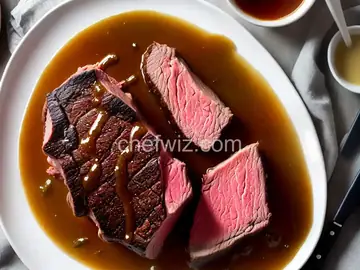
One of the greatest advantages of peppercorn sauce is its versatility. This sauce pairs exceptionally well with various proteins, such as beef, chicken, and pork. Whether you're grilling a juicy steak or roasting a tender chicken, a drizzle of peppercorn sauce will take your dish to the next level. Additionally, peppercorn sauce can also be used as a dipping sauce for vegetables or as a creamy topping for baked potatoes.
While you can easily find pre-made peppercorn sauce at your local grocery store, creating your own homemade version is a rewarding and delicious experience. To make your own peppercorn sauce, you will need a few key ingredients:
By combining these ingredients and following a simple cooking process, you can whip up a batch of peppercorn sauce that will impress even the most discerning of palates. The secret to a truly exceptional peppercorn sauce lies in the quality of your ingredients and the balance of flavors. Experiment with different types of peppercorns, such as green or pink, to add a unique twist to your sauce.
Peppercorn sauce is a culinary gem that adds a burst of flavor and sophistication to any dish. Whether you're a meat lover or a vegetarian, this versatile sauce will elevate your meals to new heights. By following a simple recipe and experimenting with different variations, you can create your own signature peppercorn sauce that will leave your family and friends begging for seconds. So, why not give it a try and experience the magic of peppercorn sauce for yourself?
Absolutely! You can substitute the cream with a non-dairy alternative, such as coconut milk or cashew cream, and use vegetable stock instead of chicken or beef stock. The result is a creamy and flavorful vegetarian peppercorn sauce.
Homemade peppercorn sauce can be stored in an airtight container in the refrigerator for up to one week. Simply reheat it gently on the stovetop or in the microwave before using.
Yes, you can freeze peppercorn sauce for up to three months. Transfer it to a freezer-safe container and thaw it in the refrigerator overnight before reheating.
While the classic peppercorn sauce is made with black peppercorns, you can experiment with other types of peppercorns for different flavor profiles. Green peppercorns add a mild and slightly fruity taste, while pink peppercorns bring a delicate floral note to the sauce.
Absolutely! If you enjoy an extra kick of heat, you can add crushed red pepper flakes or a dash of hot sauce to your peppercorn sauce. Adjust the amount according to your personal preference.
While using whole peppercorns is recommended for the best flavor, you can substitute them with freshly ground black pepper if needed. Just be sure to adjust the quantity accordingly, as ground pepper is more potent.
Yes, you can make a dairy-free version of peppercorn sauce by using a non-dairy cream substitute, such as almond milk or soy creamer. The result will be a lighter sauce with a slightly different flavor profile.
While peppercorn sauce is typically used as a finishing touch or a dipping sauce, you can certainly use it as a marinade for meats. The flavors will infuse into the meat, resulting in a deliciously seasoned dish.
Yes, you have full control over the spiciness of your peppercorn sauce. If you prefer a milder sauce, you can reduce the amount of black peppercorns or use a combination of black and white peppercorns. On the other hand, if you crave more heat, don't be afraid to add an extra pinch of black pepper or even a touch of cayenne pepper.
AprilCook, recipe developer and the heart of Chefwiz. More about April