Introduction
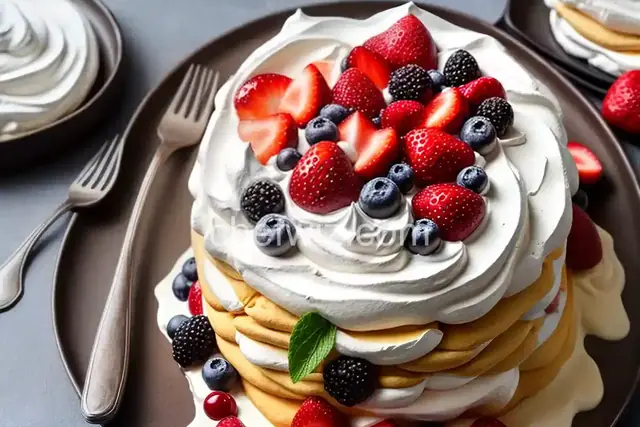
Imagine a light and fluffy cloud of meringue, crisp on the outside and soft on the inside, topped with a dollop of whipped cream and a colorful assortment of winter fruits. That's the beauty of pavlova with winter fruits - a dessert that not only looks stunning but also tastes like a dream. In this article, we will explore the delightful world of pavlova with winter fruits and discover why it is the perfect treat for any occasion.
The Art of Pavlova
Pavlova is a dessert that originated in Australia and New Zealand, and its name is a tribute to the famous Russian ballerina, Anna Pavlova. Just like a ballerina gracefully moves across the stage, pavlova dances on your taste buds with its delicate flavors and textures. The meringue base is made from egg whites and sugar, which are whipped together until they form stiff peaks. This creates a light and airy structure that gives pavlova its signature crisp exterior and marshmallow-like interior.
Winter Fruits: A Burst of Freshness
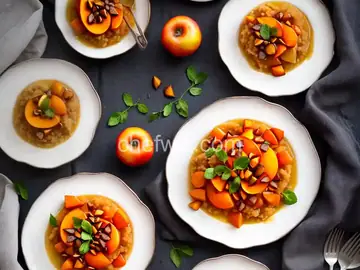
While pavlova is a treat on its own, the addition of winter fruits takes it to a whole new level. In the cold winter months, when most fruits are out of season, there are still plenty of options to choose from. Think vibrant pomegranate seeds, juicy oranges, tangy cranberries, and sweet persimmons. These fruits not only add a burst of freshness and color to the pavlova but also provide a delightful contrast to the sweet meringue and cream.
Perfecting the Pavlova
Making pavlova may seem intimidating at first, but with the right technique and a little bit of practice, you can create a masterpiece that will impress your friends and family. One key tip is to ensure that your mixing bowl and whisk are completely clean and free from any grease. This will help the egg whites reach their maximum volume when whisked, resulting in a light and airy meringue. Another important aspect is the baking process. Start with a low oven temperature and gradually increase it to create that perfect crisp exterior while keeping the inside soft and chewy.
Decorating Your Pavlova
Once your pavlova is baked and cooled, it's time to let your creativity shine. Start by generously spooning whipped cream on top of the meringue, creating a luscious pillow for your winter fruits to rest upon. Arrange the fruits in a visually appealing manner, creating a colorful mosaic that will make your pavlova truly Instagram-worthy. You can also add a drizzle of honey or a sprinkle of toasted nuts for an extra touch of flavor and texture.
Conclusion
Pavlova with winter fruits is a dessert that combines elegance and simplicity in the most delightful way. The crisp meringue, creamy whipped cream, and juicy winter fruits create a symphony of flavors and textures that will leave your taste buds wanting more. So why not give it a try and let pavlova dazzle your senses this winter?
Frequently asked questions
- . Can I make pavlova ahead of time?
Absolutely! You can make the meringue base ahead of time and store it in an airtight container for up to 2 days. Just make sure to assemble the pavlova right before serving to maintain its crispness.
- . Can I use frozen fruits for my pavlova?
While fresh fruits are ideal, you can use frozen fruits if fresh ones are not available. Just make sure to thaw them before using and pat them dry to remove any excess moisture.
- . Can I substitute the whipped cream with a dairy-free alternative?
Yes, you can use dairy-free whipped cream or even coconut cream as a substitute. It will still provide a creamy element to your pavlova.
- . Can I add other toppings to my pavlova?
Absolutely! You can get creative with your pavlova toppings. Consider adding chocolate shavings, caramel sauce, or even a sprinkle of edible flowers for an extra touch of elegance.
- . Can I make a mini pavlova instead of a large one?
Yes, you can make individual-sized pavlovas by spooning the meringue mixture into smaller portions. Just adjust the baking time accordingly, as mini pavlovas will require less time in the oven.
- . Can I freeze leftover pavlova?
Unfortunately, pavlova does not freeze well as the texture of the meringue may become soft and chewy. It is best enjoyed fresh.
- . Can I use a different type of sugar for pavlova?
While granulated sugar is commonly used for pavlova, you can experiment with different types of sugar, such as caster sugar or even brown sugar, to add a subtle twist to the flavor.
- . Can I make a gluten-free pavlova?
Yes, pavlova is naturally gluten-free as it does not contain any flour. However, always double-check the ingredients of any additional toppings or sauces you use to ensure they are also gluten-free.
- Now that you have all the information you need, it's time to unleash your inner pastry chef and create a pavlova masterpiece. Enjoy!
 By AprilPublished