Pav Bhaji With So Much Butter
Rate this recipeBe the first to rate
 By AprilPublished
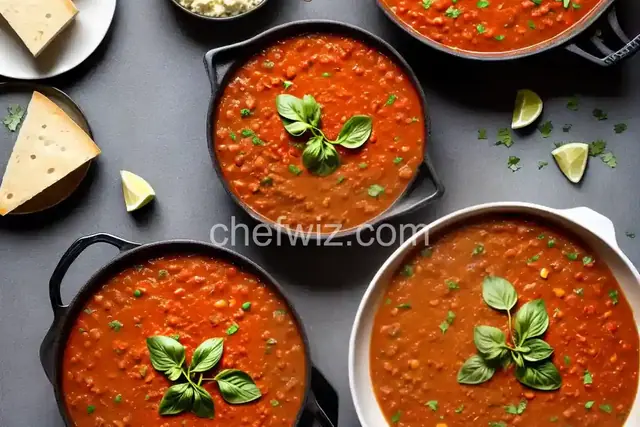
 Who doesn't love a plate of delicious Pav Bhaji? The spicy, tangy, and buttery flavors of this popular Indian street food never fail to tantalize our taste buds.
 By AprilPublished
 Who doesn't love a plate of delicious Pav Bhaji? The spicy, tangy, and buttery flavors of this popular Indian street food never fail to tantalize our taste buds.
In a medium saucepan, combine 1 large russet potato (about 10 oz.), peeled and cut into 1 pieces, 1 small carrot (peeled and sliced crosswise ½ thick), 2 cups frozen cauliflower florets, ½ cup frozen green peas, 2 Tbsp. unsalted butter, and 1 Tbsp. Diamond Crystal or 1¾ tsp. Morton kosher salt.
Pour in 1 cup water and bring to a simmer.
Reduce heat to medium-low, cover, and cook for 12-18 minutes until the potato is falling apart and the carrot and cauliflower are tender.
Remove from heat and mash the mixture with a potato masher or fork until mostly smooth, but not quite a puree. Cover and keep warm.
Set aside ½ cup finely chopped red onions (from 2 large red onions, finely chopped) for serving.
In a medium Dutch oven or other heavy pot, heat 2 Tbsp. vegetable oil over medium-high heat.
Cook 2 tsp. cumin seeds until fragrant and slightly darker, about 45 seconds.
Add the remaining red onions, 1 medium green bell pepper (ribs and seeds removed, finely chopped), one 2 piece of ginger (peeled and finely chopped), 8 garlic cloves (finely chopped), and the remaining 1 Tbsp. Diamond Crystal or 1¾ tsp
Who doesn't love a plate of delicious Pav Bhaji? The spicy, tangy, and buttery flavors of this popular Indian street food never fail to tantalize our taste buds. Whether you're a fan of vegetarian cuisine or simply looking for a flavorful dish to satisfy your cravings, Pav Bhaji is a must-try. In this article, we'll explore the wonders of Pav Bhaji and why it's so beloved by food enthusiasts around the world.
Like many beloved dishes, Pav Bhaji has an intriguing history. It originated in the bustling streets of Mumbai, India, where street vendors would concoct a medley of vegetables and spices, serving them with soft buns called Pav. Over time, this humble street food gained popularity and spread across the country, becoming a staple in Indian cuisine.
Making Pav Bhaji is an art form in itself. The dish is prepared by sautéing a variety of vegetables, such as potatoes, cauliflower, peas, and bell peppers, in a rich tomato-based gravy. This flavorful mixture is then mashed to create a smooth consistency. The secret ingredient that takes Pav Bhaji to the next level is generous amounts of butter, which adds a creamy richness to the dish.
Once the Bhaji (vegetable mixture) is ready, it is served with warm Pav buns that have been toasted with butter. The contrast of the soft, buttery buns with the spicy vegetable curry is a match made in heaven.
Pav Bhaji has a unique ability to please just about anyone. Its flavors are bold and robust, yet familiar and comforting. The combination of spices, vegetables, and butter creates a symphony of flavors that dance on your palate. Each bite is a burst of tanginess, spiciness, and creaminess, all harmoniously balanced.
Moreover, Pav Bhaji is incredibly versatile. You can customize the spice level according to your preference, making it suitable for both spice enthusiasts and those who prefer milder flavors. It can be enjoyed as a quick snack, a comforting meal, or even as a party dish to impress your guests. The possibilities are endless!
Creating the perfect Pav Bhaji requires a few tricks of the trade. Here are some tips to ensure your Pav Bhaji turns out to be a masterpiece:
The quality of your ingredients can make or break your Pav Bhaji. Opt for fresh vegetables and ripe tomatoes to enhance the flavors of the dish.
Butter is the star of this dish, so don't be afraid to be generous with it. The more butter, the creamier and more indulgent your Pav Bhaji will be.
Experiment with different spice combinations to find your perfect blend. Adding a touch of garam masala or a sprinkle of chat masala can take your Pav Bhaji to new heights.
Don't forget to toast your Pav buns with butter before serving. This step adds a delicious crispiness and enhances the overall experience of eating Pav Bhaji.
Pav Bhaji is a culinary delight that brings together the best of Indian flavors in one plate. Its origins may lie in the streets of Mumbai, but its popularity has spread far and wide. The combination of buttery Pav buns and spicy vegetable curry is a match made in heaven. So, the next time you're craving a burst of flavors, give Pav Bhaji a try and experience the magic for yourself!
While butter is an essential ingredient in traditional Pav Bhaji, you can certainly make a healthier version by using alternative options like ghee or oil. However, keep in mind that the rich, creamy flavor of butter adds a unique touch to the dish.
Pav Bhaji is traditionally a vegetarian dish, but you can always experiment and add your favorite meats if you prefer a non-vegetarian version. However, be sure to adjust the spices and cooking time accordingly to complement the meat.
Pav Bhaji is a complete meal on its own, but if you're looking to add more variety, you can serve it with sides like raita (yogurt dip), pickles, or a simple salad. These accompaniments balance the flavors and provide a refreshing contrast.
Yes, you can freeze leftover Pav Bhaji for future use. Store it in an airtight container and thaw it in the refrigerator before reheating. However, keep in mind that the texture may slightly change upon reheating.
Absolutely! You can adjust the spice level of Pav Bhaji according to your preference. Add more red chili powder, green chili, or even a dash of hot sauce to amp up the heat. Just be sure to taste as you go and adjust the spices accordingly.
Pav Bhaji is a flavorful and indulgent dish, thanks to its generous use of butter. While it may not be the healthiest option if consumed in large quantities, you can still enjoy it as part of a balanced diet by controlling portion sizes and making healthier ingredient choices.
Yes, you can omit onions and garlic from your Pav Bhaji recipe if you prefer. The flavors may be slightly different, but it will still be delicious. You can enhance the taste by adding other aromatic ingredients like ginger or asafoetida.
AprilCook, recipe developer and the heart of Chefwiz. More about April