Pate Feuilletee (Puff Pastry)
Rate this recipeBe the first to rate
 By AprilPublished
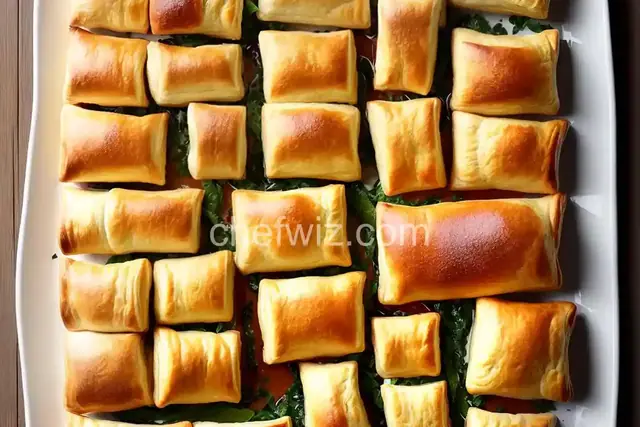
 Have you ever wondered how those delicate, flaky layers in your favorite pastries are created?
 By AprilPublished
 Have you ever wondered how those delicate, flaky layers in your favorite pastries are created?
Start by sifting the flour and salt onto your work surface.
Create a well in the flour and pour in the cold water.
Using your fingertips, mix the water and flour together to form a paste.
Add the melted butter to the paste and continue to work it until a rough dough is formed.
Shape the dough into a square block and use a sharp knife to cut an X on the top, about halfway through the block.
Cover the dough with plastic film and refrigerate it.
After at least 30 minutes, take the butter out of the refrigerator and flatten it between two sheets of plastic film using a rolling pin.
The butter should be pliable and smooth, but still cool. Shape it into a square block.
Remove the dough from the refrigerator and roll it slightly to form a square large enough to enclose the butter.
Make sure to use enough flour on your work surface to prevent the dough from sticking.
Place the butter in the center of the dough, creating a diamond shape inside a square.
Fold the edges of the dough over the butter and lightly pinch to seal.
Use a rolling pin to press the dough 4 to 5 times along its length, until it reaches approximately 9 inches.
Dust your work surface with flour and roll the dough to a length of 22 inches.
Brush off any excess flour and fold the dough
Have you ever wondered how those delicate, flaky layers in your favorite pastries are created? The secret lies in the art of making puff pastry, also known as Pate Feuilletee. In this article, we will explore the fascinating process of making this versatile dough that is used in a wide variety of sweet and savory treats.
Imagine biting into a pastry and experiencing a symphony of textures - a crisp exterior giving way to buttery, flaky layers. This is the magic of puff pastry. The key to its unique texture lies in the layering process, where thin sheets of butter are sandwiched between layers of dough. As the pastry bakes, the water content in the butter creates steam, causing the layers to separate and puff up.
Creating puff pastry is a labor of love that requires precision and patience. The process begins by making a simple dough, known as détrempe, which is a mixture of flour, water, and salt. The détrempe is then rolled out into a rectangle and chilled. Next comes the lamination process, where a block of butter is encased within the chilled dough and rolled out into a thin sheet. This sheet is then folded and chilled multiple times to create the layers.
Mastering the art of making puff pastry takes practice, as the dough can be delicate and require careful handling. The key is to keep the butter and dough at the same temperature throughout the process, allowing for even layering. The dough also needs to be rested in the refrigerator between each fold to ensure the gluten relaxes and the layers develop properly. With time and experience, you will be able to create puff pastry that rivals the finest patisseries.
Puff pastry is a versatile ingredient that can be used in both sweet and savory dishes. Its light and airy texture pairs perfectly with a variety of fillings. From classic French pastries like croissants and pain au chocolat to savory delights like cheese straws and beef Wellington, the possibilities are endless.
When it comes to sweet treats, puff pastry is a baker's best friend. It can be used to create delicate fruit tarts, crispy palmiers, or even a show-stopping mille-feuille. The layers of puff pastry provide a beautiful contrast to the sweetness of the fillings, making every bite a heavenly experience.
Not just limited to desserts, puff pastry also shines in savory dishes. Imagine biting into a golden, flaky pastry filled with creamy spinach and feta or indulging in a rich and flavorful chicken pot pie. Puff pastry adds a touch of elegance and sophistication to any savory creation.
Puff pastry, or Pate Feuilletee, is a true culinary marvel. The delicate layers, created through the meticulous process of lamination, give rise to pastries that are both visually stunning and incredibly delicious. So, the next time you enjoy a perfectly flaky croissant or a mouthwatering fruit tart, take a moment to appreciate the artistry and skill that goes into making this magical dough.
Making puff pastry requires precision and patience, but with practice, anyone can master the technique.
While butter is the traditional choice for puff pastry, margarine can be used as a substitute. However, the flavor and texture may differ slightly.
The process of making puff pastry can take several hours, as the dough needs to be chilled and rested between each fold.
Yes, puff pastry can be frozen for later use. Just make sure to wrap it tightly in plastic wrap or foil to prevent freezer burn.
Puff pastry should be stored in the refrigerator, tightly wrapped in plastic wrap or an airtight container, to maintain its freshness.
Yes, store-bought puff pastry can be a convenient alternative. However, making it from scratch allows for more control over the ingredients and the thickness of the dough.
Unfortunately, puff pastry relies on the gluten in wheat flour to create its signature texture. Gluten-free alternatives may not yield the same results.
Leftover puff pastry can be transformed into delightful treats like cheese twists, turnovers, or even mini quiches. Let your imagination run wild!
AprilCook, recipe developer and the heart of Chefwiz. More about April