Pastry Cream for Pies
Rate this recipeBe the first to rate
 By AprilPublished
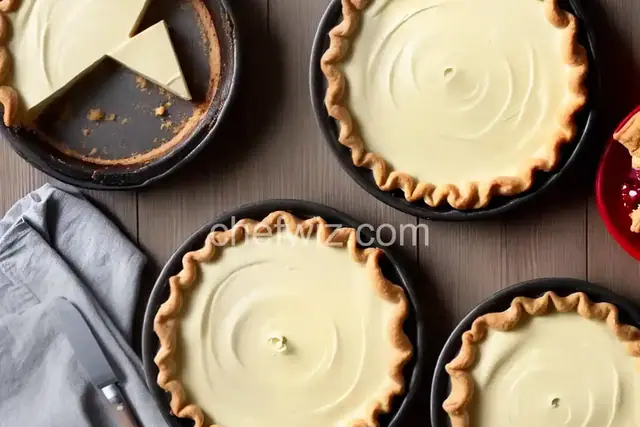
 Are you ready to take your pie game to the next level? Look no further than pastry cream— the lusciously smooth and rich custard that will elevate your pie fillings.
 By AprilPublished
 Are you ready to take your pie game to the next level? Look no further than pastry cream— the lusciously smooth and rich custard that will elevate your pie fillings.
Heat the milk in a small saucepan until it reaches boiling point, then remove from heat.
In a heatproof mixing bowl, whisk the egg yolks until they are smooth.
Gradually add the granulated sugar to the egg yolks while continuing to whisk, until the mixture becomes pale yellow.
Beat in the flour until well combined.
Pour the hot milk into the egg yolk mixture in a steady stream, while constantly whisking.
Once all the milk has been added, place the bowl over a pan of boiling water (not directly in it), or use a double boiler.
Heat the mixture over the boiling water, stirring constantly, until it thickens.
Cook for an additional 2 minutes, then remove from heat.
Stir in the butter and vanilla until well incorporated.
Cover the mixture with plastic wrap and allow it to cool.
Are you ready to take your pie game to the next level? Look no further than pastry cream— the lusciously smooth and rich custard that will elevate your pie fillings. In this article, we will delve into the wonderful world of pastry cream, exploring its versatility, tips for making it, and how to incorporate it into your favorite pie recipes. So, let's dive in!
Pastry cream, also known as crème pâtissière, is a classic French custard that forms the base of many delectable desserts. It is made by combining milk, sugar, egg yolks, and cornstarch to create a smooth and velvety texture. The addition of vanilla extract or other flavorings adds depth and complexity to the cream.
Think of pastry cream as the foundation of your pie. It provides a creamy and luxurious layer that complements the tartness of fruit or the richness of chocolate. Whether you're making a traditional fruit pie, a luscious cream pie, or even a decadent chocolate pie, pastry cream is a game-changer.
Now that you understand what pastry cream is, let's talk about how to make it perfectly every time. The key to achieving silky smooth cream lies in the technique. Follow these tips and you'll be on your way to pastry cream perfection:
When adding the hot milk mixture to the egg yolks, it's crucial to temper the eggs. This means gradually adding a small amount of the hot liquid to the yolks while whisking continuously. Tempering prevents the eggs from curdling and ensures a smooth consistency.
Both cornstarch and flour can be used as thickeners in pastry cream. However, cornstarch produces a smoother texture and a lighter mouthfeel. It also gives the cream a glossy appearance. If you prefer a denser texture, you can opt for flour instead.
Once your pastry cream is cooked, it's important to cool it down and chill it thoroughly before using it in your pie. This allows the cream to set and achieve the perfect consistency. For best results, cover the surface of the cream with plastic wrap to prevent a skin from forming.
Now that you've mastered the art of making pastry cream, let's explore the various ways you can incorporate it into your pie recipes. Here are a few ideas to get you started:
For a delightful twist on traditional fruit pies, layer a generous amount of pastry cream on the bottom of your pie crust before adding the fruit filling. The cream adds a creamy and luxurious element that balances the tartness of the fruit.
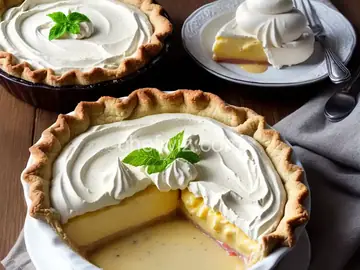
Cream pies are all about indulgence, and pastry cream takes them to a whole new level. Whether you're making a classic vanilla cream pie or experimenting with flavors like chocolate or coconut, pastry cream provides a velvety smoothness that will have your taste buds dancing.
Pastry cream is not limited to pies alone. It can also be used as a filling for tarts and pastries. Picture a buttery tart shell filled with a layer of creamy pastry cream and topped with fresh fruits or a drizzle of chocolate. The combination is simply heavenly!
Pastry cream is the secret ingredient that will take your pies from ordinary to extraordinary. With its silky smooth texture and rich flavor, it adds a touch of elegance to any pie recipe. So next time you're whipping up a pie, don't forget to incorporate the magic of pastry cream. Your taste buds will thank you!
No, pastry cream is typically used in sweet pies and desserts. Its rich and sweet flavor profile makes it unsuitable for savory dishes.
Pastry cream can be stored in the refrigerator for up to 3 days. Make sure to cover it tightly with plastic wrap to prevent a skin from forming.
Yes, you can freeze pastry cream for up to 2 months. Thaw it in the refrigerator overnight before using it.
Absolutely! Pastry cream makes a delicious filling for cakes. Whether you're making a layer cake or a simple sponge cake, the addition of pastry cream will take it to the next level.
Pastry cream is a type of custard, but not all custards are pastry cream. Pastry cream specifically refers to the custard used in pastry and pie fillings.
Yes, you can experiment with different extracts like almond, coconut, or citrus to add unique flavors to your pastry cream. Just make sure to adjust the quantity according to your taste.
Yes, if you have dietary restrictions or allergies, you can make eggless pastry cream using alternatives like cornstarch or arrowroot powder as the thickening agent.
Absolutely! Pastry cream can be enjoyed on its own as a dessert. Serve it in individual bowls or glasses, and you can even top it with fresh fruits or a dollop of whipped cream for added indulgence.
AprilCook, recipe developer and the heart of Chefwiz. More about April