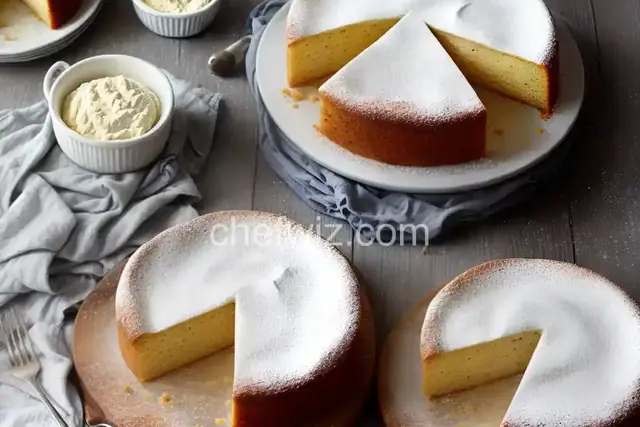
Are you ready to embark on a culinary journey to Italy? Get ready to discover the delightful flavors of pastiera, a traditional Italian cake that combines the richness of ricotta cheese with the earthiness of cooked grains. In this article, we'll delve into the history and preparation of this mouthwatering dessert. So, grab your apron and let's get started!
The Origins of Pastiera
Like many traditional Italian dishes, pastiera has a fascinating history that goes back centuries. Legend has it that the recipe was created in Naples by a nun who wanted to create a cake that represented the flavors of spring. The name "pastiera" derives from the word "pasta," which means dough. Over time, the recipe evolved, and it became a symbol of Easter celebrations in Naples.
Preparing the Perfect Pastiera
Creating a delicious pastiera requires a few key ingredients and some patience. The star of the show is ricotta cheese, which provides a creamy and luscious texture to the cake. Cooked grains, such as wheat berries or rice, add a unique and delightful crunch. Other essential ingredients include sugar, eggs, candied citrus peel, and aromatic spices like cinnamon and vanilla.
To begin, you'll need to cook the grains until they are tender. This process can take a while, but trust me, the results are worth it. Once the grains are cooked, they are mixed with the ricotta cheese, sugar, eggs, and other flavorings. The mixture is then poured into a pastry crust and baked until golden and fragrant.
The Magic of Homemade Pastry Crust
No pastiera is complete without a homemade pastry crust. Imagine sinking your teeth into a slice of pastiera and experiencing the buttery, flaky goodness of a perfectly baked crust. Making the pastry crust from scratch might seem intimidating, but it's easier than you think. With a few simple ingredients like flour, butter, sugar, and eggs, you can create a crust that elevates the entire dessert.
Bringing it All Together
Once the pastiera is baked to perfection, it's time to let it cool and set. The flavors will meld together, creating a harmonious blend of sweet and savory. When you finally take your first bite, you'll be transported to the sunny streets of Naples, where the aroma of pastiera fills the air during Easter festivities.
So, why not surprise your family and friends with a homemade pastiera this Easter? The combination of creamy ricotta, crunchy grains, and fragrant spices is sure to impress. Whether you're celebrating Easter or simply want to indulge in a taste of Italy, pastiera is a dessert that will leave you craving more.
In Conclusion
Pastiera is not just a cake; it's a symbol of tradition, history, and the rich culinary heritage of Italy. With its creamy ricotta, crunchy grains, and aromatic spices, this dessert is a true delight for the senses. So, gather your ingredients, put on your apron, and immerse yourself in the magic of pastiera. Buon appetito!
Frequently asked questions
- . Can I use a different type of cheese instead of ricotta?
While ricotta is traditionally used in pastiera, you can experiment with different cheeses to add your own twist to the recipe. However, keep in mind that the texture and flavor of the cake may vary.
- . Can I use pre-cooked grains for convenience?
Using pre-cooked grains can save you time in the kitchen, but keep in mind that the texture of the cake may be different. Cooking the grains from scratch adds an extra layer of authenticity to the dish.
- . Can I make pastiera ahead of time?
Absolutely! In fact, pastiera tastes even better when it's made a day or two in advance. The flavors have time to develop and meld together, resulting in a more delicious cake.
- . Can I use a store-bought pastry crust?
While a store-bought pastry crust can be a convenient option, making your own pastry crust from scratch adds a personal touch and enhances the overall flavor of the cake.
- . Can I freeze pastiera?
Yes, you can freeze pastiera for up to a month. Just make sure to wrap it tightly in plastic wrap and aluminum foil to prevent freezer burn. Thaw it in the refrigerator overnight before serving.
- . Can I add other fruits or nuts to the cake?
Absolutely! You can experiment with adding fruits like cherries or nuts like almonds to the pastiera. Just make sure to adjust the recipe accordingly to maintain the right balance of flavors.
- . Can I serve pastiera with any accompaniments?
Pastiera is delicious on its own, but you can enhance the experience by serving it with a dollop of whipped cream or a sprinkle of powdered sugar. It pairs well with a cup of freshly brewed coffee or a glass of sweet dessert wine.
- . Are there any variations of pastiera?
Yes, there are regional variations of pastiera across Italy. For example, in Sicily, they make a similar cake called "cassata" that includes marzipan and candied fruits. Each variation has its own unique twist, so feel free to explore and discover your favorite!
 By AprilPublished