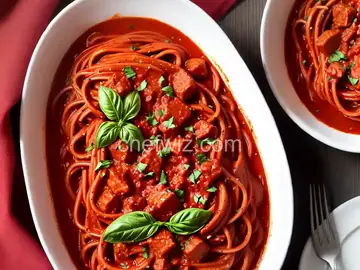
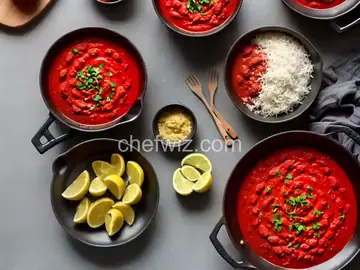
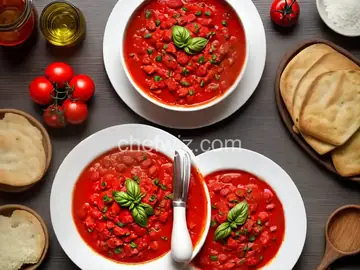
Pasta/Pizza Sauce
Rate this recipeBe the first to rate
 By AprilPublished
 Are you a pasta lover? Or perhaps you can't resist a slice of mouthwatering pizza?
 By AprilPublished
 Are you a pasta lover? Or perhaps you can't resist a slice of mouthwatering pizza?
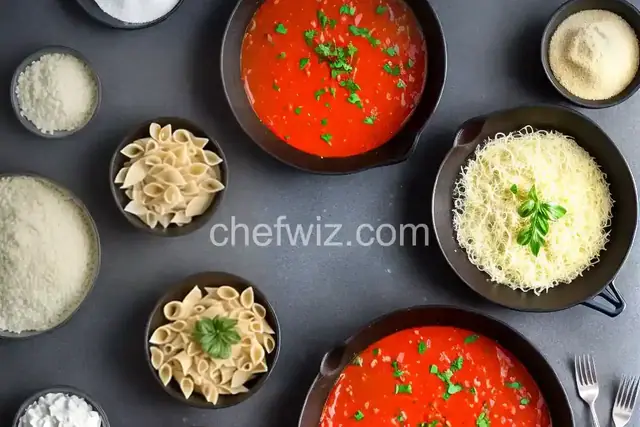
Warm the oil in a large skillet on medium heat.
Add the garlic and cook until it turns golden and releases a pleasant aroma, approximately 1 minute.
Mix in the tomato paste, water, Parmesan cheese, wine, sugar, oregano, basil, salt, and pepper.
Decrease the heat to medium-low and let the mixture simmer for 10 minutes.
Are you a pasta lover? Or perhaps you can't resist a slice of mouthwatering pizza? Whichever it may be, one thing is for sure - the sauce plays a crucial role in making these dishes truly irresistible. A well-crafted pasta or pizza sauce can elevate a simple meal into a culinary delight. In this article, we'll dive into the world of pasta and pizza sauces, exploring the secrets behind their deliciousness and how you can create your own perfect blend of flavors.
Imagine taking a bite of pasta coated in a velvety, tangy sauce that tickles your taste buds, or a slice of pizza with a rich, flavorful sauce that perfectly complements the toppings. These sensations are the result of a well-balanced sauce that brings together a symphony of flavors.
Just like a master chef, you can create your own signature sauce by experimenting with different ingredients. From tomatoes to herbs and spices, each element contributes to the overall taste profile. Whether you prefer a classic marinara sauce or a spicy arrabbiata, the possibilities are endless.
When it comes to making a pasta or pizza sauce, using fresh ingredients is key. Fresh, ripe tomatoes bursting with flavor will give your sauce a natural sweetness and vibrant color. Combine them with garlic, onions, and aromatic herbs like basil or oregano, and you have the foundation for a delicious sauce.
Remember, the quality of your ingredients will directly impact the taste of your sauce. So, choose the ripest tomatoes, the freshest herbs, and the finest olive oil. It's these small details that can make a big difference.
Creating a sauce is like conducting an orchestra, where each ingredient has a role to play. The acidity of tomatoes, the sweetness of onions, the pungency of garlic - they all need to harmonize. Achieving the perfect balance of flavors is the secret to a memorable sauce.
Think of it as a conversation between ingredients. The tomatoes provide the base melody, while the herbs and spices add depth and complexity. Just like a good relationship, they need to complement each other and create a harmonious blend.
One of the joys of making your own pasta or pizza sauce is the ability to personalize it according to your taste. Are you a fan of spicy food? Add a dash of red pepper flakes to give your sauce a kick. Prefer a milder flavor? Opt for a pinch of sugar to balance the acidity.
Don't be afraid to experiment and make the sauce your own. Want a smoky flavor? Try roasting the tomatoes before blending them. Craving a creamy texture? Add a touch of cream or butter. Your sauce is a canvas, and you are the artist, so let your creativity flow.
While store-bought sauces offer convenience, nothing compares to the freshness and flavor of homemade. With just a few simple steps, you can create a sauce that will wow your taste buds and impress your guests.
Start by sautéing garlic and onions in olive oil until fragrant. Then, add your tomatoes and simmer gently until they break down and release their juices. Finally, season with salt, pepper, and your preferred herbs and spices. Allow the sauce to simmer and thicken, and voila! You have a homemade sauce that will take your pasta or pizza to the next level.
Whether you're a pasta aficionado or a pizza enthusiast, the sauce is the heart and soul of these beloved dishes. It's the secret ingredient that ties everything together and makes them truly unforgettable. By experimenting with fresh ingredients, balancing flavors, and personalizing your sauce, you can create a culinary masterpiece that will leave everyone craving for more.
Yes, you can use canned tomatoes if fresh ones are not available. Just make sure to choose high-quality canned tomatoes without any added flavors or preservatives.
Homemade sauce can be stored in the refrigerator for up to a week. Alternatively, you can freeze it for longer storage.
While fresh herbs are ideal, dried herbs can be used as a substitute. Just remember to adjust the quantities, as dried herbs tend to have a more concentrated flavor.
Marinara sauce pairs well with a variety of pasta shapes, such as spaghetti, penne, or linguine. Choose the one you prefer or try different shapes for a fun twist.
If your sauce is too acidic, you can add a pinch of sugar or a splash of red wine to balance the acidity. Taste and adjust until you achieve the desired flavor.
Absolutely! The versatility of pasta and pizza sauce allows you to use it in other recipes, such as lasagna, baked ziti, or as a dipping sauce for breadsticks.
If you're a fan of spicy food, you can add red pepper flakes, cayenne pepper, or even fresh chili peppers to give your sauce a fiery kick.
Yes, you can turn your pasta or pizza sauce into a creamy delight by adding a touch of cream, butter, or grated cheese. Stir it in gently until it melts and creates a luscious texture.
AprilCook, recipe developer and the heart of Chefwiz. More about April