Pasta with Roasted Butternut Squash and Sage
Rate this recipeBe the first to rate
 By AprilPublished
 Are you craving a comforting and flavorful pasta dish? Look no further!
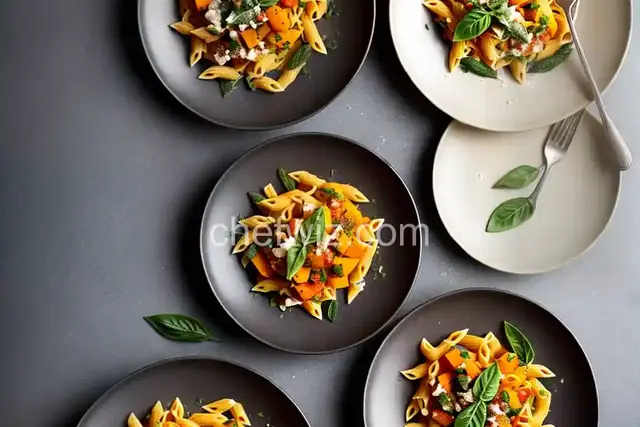 By AprilPublished
 Are you craving a comforting and flavorful pasta dish? Look no further!
Preheat the oven to 350 degrees F (175 degrees C).
Coat a roasting pan with olive oil.
Place the squash and onion in the pan and season with salt and pepper.
Roast in the oven for 30 minutes or until the squash is tender.
Bring a large pot of lightly salted water to a boil.
Add the penne pasta to the boiling water and cook for 8 to 10 minutes, or until it is al dente.
Drain the cooked pasta.
In a large skillet over medium heat, cook the turkey sausage until it is evenly browned.
Transfer the cooked squash, onion, and pasta to the skillet.
Gradually pour in the cream and season with sage.
Continue cooking until the mixture is heated through.
Mix in the garlic.
Transfer the mixture to a large bowl.
Toss with balsamic vinegar before serving.
Are you craving a comforting and flavorful pasta dish? Look no further! In this article, we will explore the delightful combination of pasta, roasted butternut squash, and sage. Not only is this dish incredibly delicious, but it also offers a perfect balance of flavors and textures. Let's dive in and discover how to create this mouthwatering masterpiece!
Roasted butternut squash is like a golden treasure bursting with sweetness. Just imagine the tender and caramelized cubes of squash, enhanced by a touch of savory sage. The roasting process intensifies the natural flavors of the squash, resulting in a delightful taste that will make your taste buds dance with joy.
Roasting butternut squash brings out its natural sweetness and enhances its overall flavor profile. The high heat caramelizes the edges, giving it a beautiful golden color and a deliciously rich taste. It also adds a slightly nutty aroma that perfectly complements the earthy sage.
Roasting time may vary depending on the size and thickness of the squash cubes, but a general guideline is to roast them for about 30-40 minutes at 400°F (200°C). Keep an eye on them and stir occasionally to ensure they cook evenly and develop a nice caramelization.
When it comes to pasta, you want a variety that can hold its own against the robust flavors of the roasted squash and sage. A pasta shape with ridges or nooks, like penne, fusilli, or farfalle, works wonderfully as it catches the sauce and holds onto the deliciousness. The pasta acts as a canvas, allowing the flavors of the other ingredients to shine through.
Absolutely! There are many gluten-free pasta options available, made from ingredients like rice, corn, or quinoa. These alternatives provide a great option for those with dietary restrictions or preferences. Just make sure to follow the cooking instructions on the package, as gluten-free pasta may require slightly different cooking times.
To prevent your pasta from sticking together, make sure to generously salt the boiling water before cooking the pasta. Stir the pasta occasionally while it cooks to ensure even cooking and to prevent clumping. Once the pasta is cooked, drain it well and toss it with a drizzle of olive oil to keep it separate and prevent sticking.
Sage is an herb that brings a distinctive flavor and aroma to any dish. Its earthy and slightly peppery notes make it a perfect match for the sweet and nutty butternut squash. The combination of sage and roasted squash creates a symphony of flavors that will make your taste buds sing.
To prepare the sage, simply remove the leaves from the stems and give them a rough chop. You can either add them directly to the pasta sauce or sauté them in a little olive oil or butter for a crispy garnish. The choice is yours, depending on how you prefer the texture and intensity of the sage flavor.
While fresh sage is recommended for this recipe to fully enjoy its vibrant flavor, you can substitute dried sage if fresh sage is not available. Keep in mind that dried sage is more potent, so use about 1/3 of the amount called for in the recipe. Remember to crush the dried sage between your fingers to release its oils before adding it to the dish.
Pasta with roasted butternut squash and sage is a delightful dish that combines the sweetness of the squash with the earthy and aromatic flavors of sage. The roasted squash adds a caramelized richness, while the pasta provides a satisfying base for the dish. Whether you're a pasta lover or a fan of butternut squash, this recipe is sure to please your taste buds and warm your soul. So why wait? Grab your apron and start cooking!
While butternut squash is the star of this dish, you can experiment with other types of winter squash, such as acorn squash or delicata squash. Each variety will bring its own unique flavor and texture to the dish.
Absolutely! This recipe serves as a great base for incorporating other roasted vegetables like Brussels sprouts, carrots, or even mushrooms. Just make sure to adjust the cooking times accordingly to ensure all the vegetables are cooked to perfection.
Yes, you can! The roasted butternut squash can be prepared in advance and stored in the refrigerator for up to 3 days. You can also cook the pasta ahead of time and toss it with a little olive oil to prevent sticking. When you're ready to serve, simply reheat the squash, cook the pasta until al dente, and combine them with the sage and sauce.
While the pasta may not freeze well due to its texture, you can freeze any leftover roasted butternut squash for future use. Simply place it in an airtight container or freezer bag, label it with the date, and store it in the freezer for up to 3 months. Thaw it in the refrigerator before reheating.
Absolutely! This pasta dish pairs well with a variety of proteins, such as grilled chicken, roasted shrimp, or even crumbled sausage. Simply cook your protein of choice separately and add it to the pasta and sauce at the end. It's a great way to make the dish more hearty and satisfying.
Yes, you can easily make a vegan version of this dish. Simply use a vegan-friendly pasta and replace the butter with olive oil or a vegan butter substitute. You can also omit the cheese or use a vegan cheese alternative. The flavors will still be delicious and satisfying.
AprilCook, recipe developer and the heart of Chefwiz. More about April