Pasta Primavera (Pasta With Spring Vegetables) Recipe
Rate this recipeBe the first to rate
 By AprilPublished
Spring is a season of renewal, a time when nature awakens from its winter slumber and bursts forth with vibrant colors and fresh flavors.
 By AprilPublished
Spring is a season of renewal, a time when nature awakens from its winter slumber and bursts forth with vibrant colors and fresh flavors.
If using fava beans and peas, remove them from their pods and keep them separate. Discard the pods.
In a large pot of salted water, bring it to a boil and prepare an ice bath.
Blanch the favas, peas, asparagus, snap peas, and broccolini in the boiling water for 1 minute each. Transfer them to the ice bath to cool, then place them on a paper towel-lined tray and pat them dry.
Remove the skin from each individual fava bean and set the vegetables aside.
Empty the pot and refill it with fresh water. Season it generously with salt and bring it to a boil again.
Meanwhile, in a saucier or skillet, heat butter, olive oil, garlic, and pine nuts over low heat until gently sizzling. Cook, swirling the pan constantly, until the pine nuts start to brown and the garlic aroma is strong. Remove and discard the garlic cloves. Add the blanched vegetables to the pan and toss to combine. Remove from heat.
When the water is boiling, add the pasta and cook until it is just shy of al dente, about 1 minute for most fresh pasta. Drain the pasta, reserving 1 cup of the cooking liquid.
Transfer the pasta to the pan with the vegetables. Add crème fraîche, lemon zest, lemon juice, basil, and parsley. Set the pan over high heat
Spring is a season of renewal, a time when nature awakens from its winter slumber and bursts forth with vibrant colors and fresh flavors. And what better way to celebrate the arrival of spring than with a plate of Pasta Primavera?
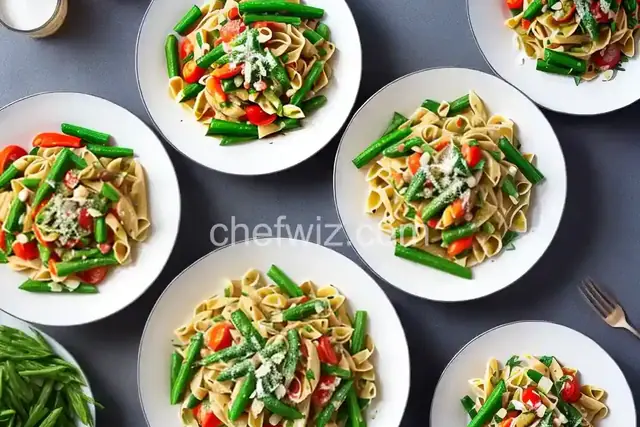
Pasta Primavera is a dish that captures the essence of spring. It is a medley of colorful vegetables, tossed with al dente pasta, and bathed in a light and flavorful sauce. This dish is not only visually appealing but also a delight for the taste buds.
Imagine the crunch of fresh asparagus, the sweetness of cherry tomatoes, and the earthy flavor of mushrooms, all mingling together in perfect harmony. Each bite is like a symphony of flavors, a celebration of the season.
Pasta Primavera is the epitome of spring on a plate. Just like the season itself, this dish is all about freshness and renewal. The vegetables used in Pasta Primavera are at their peak during spring, bursting with flavor and nutrients.
Moreover, the light sauce used in Pasta Primavera allows the flavors of the vegetables to shine through. It doesn't overpower the dish but rather enhances it, like a gentle breeze carrying the scent of blooming flowers.
Pasta Primavera is a versatile dish that can be enjoyed in many different ways. It can be served as a light lunch or dinner, or even as a side dish. It can be made with any type of pasta, from spaghetti to penne, allowing you to tailor it to your preferences.
Furthermore, Pasta Primavera can be easily customized to suit your taste. You can add your favorite vegetables or experiment with different herbs and spices to create your own unique version of this classic dish.
Pasta Primavera is a celebration of spring, a dish that brings together the freshness and flavors of the season. With its vibrant vegetables, al dente pasta, and light sauce, it is a feast for the senses.
So why not embrace the beauty of spring and indulge in a plate of Pasta Primavera? It's like taking a bite of sunshine and experiencing the magic of the season.
Yes, Pasta Primavera is a healthy dish as it is packed with fresh vegetables and uses a light sauce. It is a great way to incorporate more veggies into your diet.
Yes, you can make Pasta Primavera ahead of time. Simply cook the pasta and prep the vegetables, then toss everything together just before serving.
While fresh vegetables are ideal for Pasta Primavera, you can use frozen vegetables if fresh ones are not available. Just make sure to thaw and drain them before adding them to the dish.
Yes, you can make Pasta Primavera gluten-free by using gluten-free pasta. There are many options available in stores, made from alternative grains like rice or quinoa.
Pasta Primavera is traditionally a vegetarian dish, but you can certainly add meat if you prefer. Grilled chicken or shrimp are popular choices that complement the flavors of the vegetables.
Pasta Primavera can be stored in the fridge for up to 3 days. Just make sure to store it in an airtight container to maintain its freshness.
While it is possible to freeze Pasta Primavera, the texture of the vegetables may change upon thawing. It is best enjoyed fresh, but if you do freeze it, make sure to thaw it slowly in the fridge before reheating.
Absolutely! Pasta Primavera can be made with any type of pasta you prefer. From spaghetti to penne to fusilli, the choice is yours!
AprilCook, recipe developer and the heart of Chefwiz. More about April