Pasta Method for Boiling Rice
Rate this recipeBe the first to rate
 By AprilPublished
 Have you ever wondered if there's a better way to cook rice? Maybe you're tired of ending up with mushy or undercooked grains.
 By AprilPublished
 Have you ever wondered if there's a better way to cook rice? Maybe you're tired of ending up with mushy or undercooked grains.
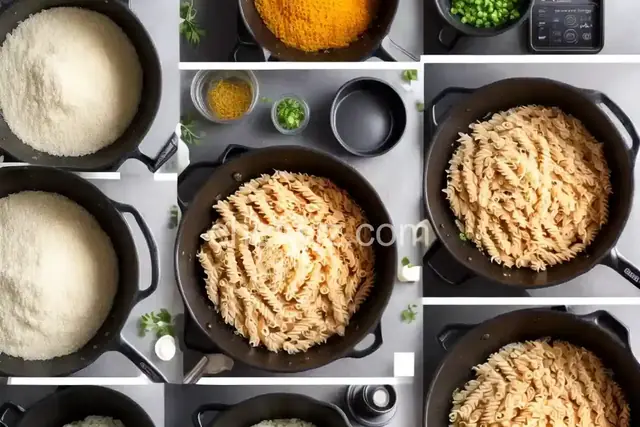
Start by bringing a generous amount of water to a boil in a large pot.
Add the rice to the boiling water, then reduce the heat to a simmer.
Cook the rice, stirring occasionally, until it is fully cooked and tender, which should take approximately 11 minutes.
Drain the cooked rice and transfer it back to the same pot.
Over very low heat, continue cooking the rice while stirring constantly to allow any excess water to evaporate. This should take around 1 minute.
Once the excess water has evaporated, use a fork to fluff the rice.
Serve the rice immediately.
Have you ever wondered if there's a better way to cook rice? Maybe you're tired of ending up with mushy or undercooked grains. Well, look no further than the pasta method for boiling rice! This unconventional technique might just change the way you cook rice forever.
The pasta method for boiling rice is a simple technique that involves cooking rice in a large pot of boiling water, similar to how you would cook pasta. Instead of measuring out a specific amount of water for the rice, you use an excess amount of water and drain the rice once it's cooked. This method allows for more control over the texture of the rice and helps prevent overcooking or undercooking.
When you cook rice using the traditional absorption method, you typically use a specific ratio of rice to water. This can result in overcooked or undercooked rice if you don't get the measurements just right. With the pasta method, you use a larger pot of boiling water and cook the rice until it reaches the desired texture. Once cooked, you simply drain the rice and enjoy perfectly cooked grains every time.
The pasta method for boiling rice offers several advantages over the traditional absorption method. First, it gives you more control over the texture of the rice. Whether you prefer your rice al dente or soft and fluffy, you can achieve the perfect consistency with this method. Second, it helps prevent the rice from becoming mushy or sticky, which can often happen when using the absorption method. Finally, it's a foolproof way to cook rice, as you don't have to worry about getting the water-to-rice ratio exactly right.
Cooking rice using the pasta method is incredibly easy. Here's a step-by-step guide:
Fill a large pot with water and bring it to a rolling boil, just like you would when cooking pasta.
Add the desired amount of rice to the boiling water. You can use any type of rice you prefer, whether it's long-grain, short-grain, or even wild rice.
Allow the rice to cook in the boiling water for the recommended cooking time, which will vary depending on the type of rice you're using. Make sure to stir occasionally to prevent the rice from sticking to the bottom of the pot.
Once the rice is cooked to your desired texture, drain it using a fine-mesh sieve or colander. You can also rinse the rice with cold water to stop the cooking process and remove any excess starch.
Transfer the drained rice back to the pot and fluff it with a fork to separate the grains. Serve immediately and enjoy!
The pasta method for boiling rice is a game-changer when it comes to cooking this staple grain. It offers more control over the texture, prevents mushiness, and takes the guesswork out of getting the water-to-rice ratio right. Give it a try and elevate your rice-cooking game!
Yes, the pasta method works well for all types of rice, including long-grain, short-grain, and wild rice.
Unlike the absorption method, you don't need to measure a specific ratio of water to rice. Use a large pot of boiling water and make sure the rice is fully submerged.
The cooking time for rice using the pasta method is similar to the absorption method. However, the pasta method offers more control over the texture.
No, the pasta method helps prevent the rice from becoming sticky or mushy. You'll end up with perfectly cooked, separate grains.
Rinsing the rice with cold water after cooking is optional. It can help stop the cooking process and remove any excess starch.
Yes, you can add salt or other seasonings to the boiling water to infuse the rice with flavor.
The pasta method is specifically designed for stovetop cooking. It may not yield the same results in a rice cooker.
Yes, the pasta method can be used to cook rice in large quantities. Just make sure you have a pot big enough to accommodate the volume of rice and water.
AprilCook, recipe developer and the heart of Chefwiz. More about April