Pasta Cacio e Uova (Neapolitan Pasta With Eggs and Cheese) Recipe
Rate this recipeBe the first to rate
 By AprilPublished
 Are you a pasta lover? Do you enjoy exploring new pasta recipes that are not only delicious but also easy to prepare?
 By AprilPublished
 Are you a pasta lover? Do you enjoy exploring new pasta recipes that are not only delicious but also easy to prepare?
In a large heatproof mixing bowl, combine whole eggs, yolk, Pecorino Romano, Parmigiano-Reggiano, and black pepper. Set aside.
In a large skillet, melt butter over medium heat. Add garlic and cook until softened and pale golden, about 3 minutes. Turn off heat.
In a pot of salted boiling water, cook pasta until al dente. Just before it finishes cooking, remove garlic cloves from skillet and discard. Use a spider skimmer to transfer pasta to the skillet, without draining the pasta cooking water. Reduce heat to a simmer.
Stir and toss pasta quickly in skillet to evenly coat with butter. Transfer pasta to the bowl with the egg-cheese mixture, using a rubber spatula to scrape all the butter into the bowl. Add 3/4 cup (180ml) of reserved pasta cooking water to the bowl and stir to combine.
Place the bowl over the pot of simmering pasta cooking water (making sure the bottom of the bowl does not touch the water). Cook, stirring and scraping down the sides of the bowl constantly with a rubber spatula, until the sauce thickens to a creamy, silky consistency and leaves trails as you stir, about 1 minute. Add more pasta cooking water in 1 tablespoon (15ml) increments as needed to adjust the sauce consistency.
Remove the bowl from the heat, add parsley (if using), and stir
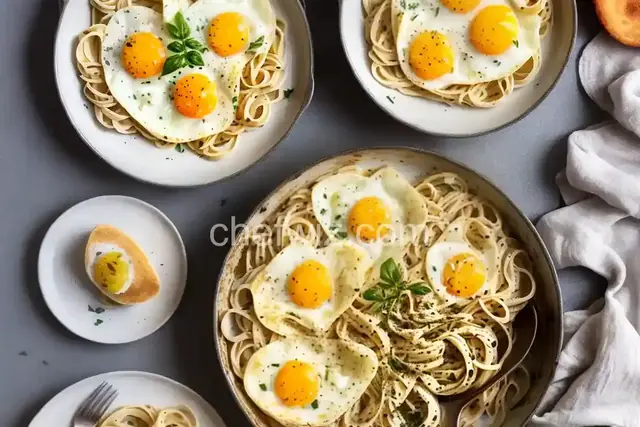
Are you a pasta lover? Do you enjoy exploring new pasta recipes that are not only delicious but also easy to prepare? If so, then you're in for a treat with this Neapolitan specialty called Pasta Cacio e Uova. This dish combines the creamy richness of eggs and the savory goodness of cheese to create a mouthwatering pasta experience like no other.
Like many traditional Italian dishes, Pasta Cacio e Uova has a rich history that dates back centuries. It originated in Naples, a city known for its vibrant culinary scene and deep-rooted food traditions. This dish was created by the working class as a simple yet satisfying meal that could be prepared quickly using readily available ingredients.
One of the things that make Pasta Cacio e Uova so appealing is its simplicity. You don't need a long list of ingredients to create a flavorful dish. In fact, you probably have most of them in your pantry already. All you need is pasta, eggs, cheese, olive oil, salt, and pepper. That's it! With just a handful of ingredients, you can whip up a delicious meal that will leave your taste buds wanting more.
Now that you have your ingredients ready, it's time to cook up this delightful dish. The technique is straightforward, yet it yields incredible results. First, you cook the pasta until it's al dente, then drain it and set it aside. In a separate bowl, whisk the eggs with grated cheese, salt, and pepper. Next, heat olive oil in a pan and add the cooked pasta. Pour the egg mixture over the pasta and toss gently until the eggs are cooked and the pasta is coated in a creamy sauce. The result? A symphony of flavors that will transport you straight to the streets of Naples.
Pasta Cacio e Uova is a delightful Neapolitan dish that brings together the simplicity of ingredients and the richness of flavors. It's a testament to the beauty of Italian cuisine, where even the most straightforward recipes can create a memorable dining experience. So next time you're craving pasta, why not give Pasta Cacio e Uova a try? Your taste buds will thank you!
While the traditional choice for Pasta Cacio e Uova is spaghetti, you can experiment with different pasta shapes to suit your preference. Fusilli, penne, or even linguine would work well in this dish.
The traditional cheese used in Pasta Cacio e Uova is Pecorino Romano, a sharp and salty sheep's milk cheese. However, if you can't find Pecorino Romano, you can substitute it with Parmesan or Grana Padano.
While the classic recipe calls for just eggs, cheese, and pasta, you can certainly add your own twist to it. Some variations include adding cooked pancetta or bacon for extra flavor, or even a handful of fresh herbs like parsley or basil.
Yes, Pasta Cacio e Uova is a vegetarian dish as long as you use vegetarian-friendly cheese and pasta. However, if you choose to add meat or other animal products, it will no longer be vegetarian.
Pasta Cacio e Uova is best enjoyed fresh, as the creamy sauce tends to thicken upon cooling. However, if you have leftovers, you can store them in an airtight container in the refrigerator for up to two days.
Absolutely! Kids tend to love the creamy, cheesy flavors of Pasta Cacio e Uova. It's a great way to introduce them to different types of pasta dishes beyond the usual spaghetti and meatballs.
While Pasta Cacio e Uova is typically enjoyed as a main course, you can certainly serve it as a side dish alongside grilled meat or roasted vegetables. Its creamy texture and rich flavors complement a wide range of dishes.
Yes, there are several other Italian pasta dishes that are similar to Pasta Cacio e Uova, such as Carbonara, which also combines eggs, cheese, and pasta. Each dish has its own unique flavor profile and preparation method, so it's worth exploring them all.
AprilCook, recipe developer and the heart of Chefwiz. More about April