Pasta Cacio e Pepe
Rate this recipeBe the first to rate
 By AprilPublished
 When it comes to Italian cuisine, there are few dishes as beloved and comforting as pasta.
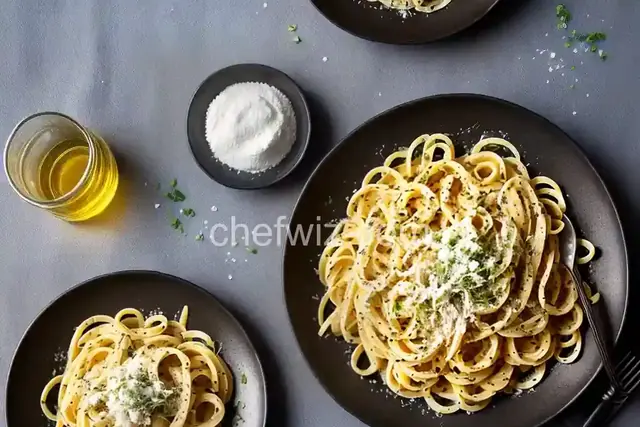 By AprilPublished
 When it comes to Italian cuisine, there are few dishes as beloved and comforting as pasta.
Fill a large serving bowl with hot water to heat the bowl. Let it stand while cooking the pasta.
Cook the pasta in a large pot of boiling salted water until it is just tender but still firm to bite. Stir occasionally.
Drain the pasta, but make sure to reserve 1/2 cup of the pasta cooking liquid.
Pour out the hot water from the serving bowl.
Immediately add the drained pasta and oil to the bowl.
Add the arugula and cheese to the bowl and toss everything together to coat.
If the mixture seems dry, gradually add some of the reserved pasta cooking liquid by tablespoonfuls.
Season with salt and freshly ground black pepper.
Serve the dish.
When it comes to Italian cuisine, there are few dishes as beloved and comforting as pasta. And among the countless pasta recipes out there, Pasta Cacio e Pepe stands out for its simplicity and incredible flavor. In this article, we'll explore the origins of this classic dish, how to make it, and some tips and tricks to ensure your Pasta Cacio e Pepe turns out perfectly every time.
Pasta Cacio e Pepe, which translates to "cheese and pepper pasta," has its roots in the region of Lazio, Italy. It is said to have originated in Rome, where it was a favorite among shepherds who traveled for long periods and needed a simple yet satisfying meal. With just a handful of ingredients, Pasta Cacio e Pepe became a staple in their diet.
One of the things that make Pasta Cacio e Pepe so appealing is its simplicity. With just a few ingredients, you can create a dish that is both creamy and flavorful. The key components of this dish are pasta, cheese, and black pepper. The cheese traditionally used is Pecorino Romano, a hard and salty sheep's milk cheese that adds a rich and tangy flavor to the dish. The black pepper provides a subtle heat and aromatic kick that complements the cheese perfectly.
Choosing the right pasta for your Cacio e Pepe is essential. The ideal choice is a long and thin pasta shape, such as spaghetti or tonnarelli. These types of pasta allow the sauce to cling to every strand, ensuring each bite is packed with flavor. Cook the pasta until it is al dente, as it will continue to cook slightly when combined with the sauce.
Now that we've covered the basics, let's dive into the step-by-step process of making Pasta Cacio e Pepe.
Start by bringing a large pot of salted water to a boil. Add the pasta and cook it until it is al dente, following the instructions on the package. Remember to reserve some of the cooking water, as it will be used later to create the sauce.
The starchy cooking water is a crucial ingredient in the sauce. It helps bind the cheese and pepper to the pasta, creating a creamy and silky consistency. Be sure to set aside at least a cup of cooking water before draining the pasta.
In a large skillet, melt butter over medium heat. Add the freshly ground black pepper and toast it for a minute or two to release its aromas. Add a splash of the reserved cooking water to the skillet and let it simmer for a minute. This will help create the base of the sauce.
For the best flavor, use freshly ground black pepper. The aroma and heat of freshly ground pepper will elevate the taste of your Pasta Cacio e Pepe.
Reduce the heat to low and add the cooked pasta to the skillet. Toss the pasta in the sauce, ensuring that every strand is coated. Gradually add the grated Pecorino Romano cheese, tossing continuously until it melts and forms a creamy sauce. If the sauce appears too dry, add more of the reserved cooking water to achieve the desired consistency.
To ensure the cheese melts smoothly into the sauce, grate it finely. This will help it incorporate evenly and create a velvety texture.
Once the cheese has melted and the sauce is creamy, remove the skillet from the heat. Give the pasta a final toss to ensure the sauce is evenly distributed. Serve immediately, garnished with a sprinkle of freshly ground black pepper and an extra sprinkle of grated Pecorino Romano cheese.
While Pecorino Romano is the traditional cheese used in Pasta Cacio e Pepe, you can experiment with different varieties. Parmesan or Grana Padano can be great alternatives, providing a similar salty and nutty flavor.
While Pasta Cacio e Pepe is traditionally made with just pasta, cheese, and pepper, you can add other ingredients to customize the dish. Some popular additions include pancetta, garlic, or even a touch of lemon zest for a refreshing twist.
To avoid clumps of cheese in your sauce, make sure to gradually add the grated cheese to the pasta while tossing continuously. This will help it melt evenly and create a smooth and creamy sauce.
Pasta Cacio e Pepe is best enjoyed immediately after it's made. The sauce can thicken as it sits, so it's recommended to serve it right away for the best flavor and texture.
Yes, you can use whole wheat pasta for a healthier twist on this classic dish. Keep in mind that whole wheat pasta has
AprilCook, recipe developer and the heart of Chefwiz. More about April