Passover Apples and Honey (Charoset)
Rate this recipeBe the first to rate
 By AprilPublished
 Passover is a special time of year for Jewish families around the world.
 By AprilPublished
 Passover is a special time of year for Jewish families around the world.
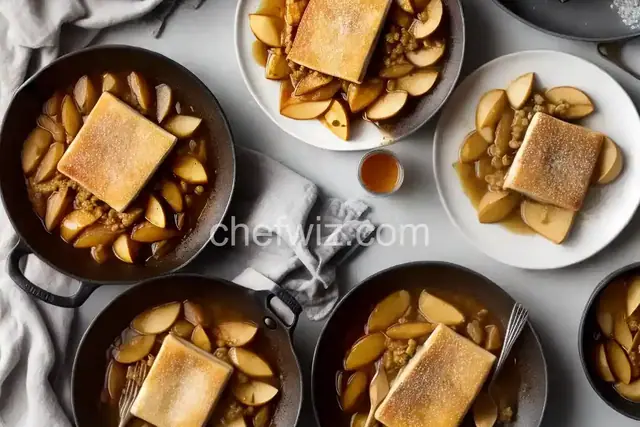
In a mixing bowl, combine the honey, cinnamon, apples, grape juice, and walnuts.
Mix the ingredients together until they are well blended.
Passover is a special time of year for Jewish families around the world. It is a time to come together, celebrate, and commemorate the liberation of the Israelites from slavery in ancient Egypt. One of the most beloved traditions during this holiday is the eating of charoset, a sweet and symbolic dish that represents the mortar used by the Israelites when they were enslaved. In this article, we will explore the significance of charoset, its ingredients, and how it is enjoyed during Passover.
Charoset holds a significant place in the Passover seder, the ritual meal that marks the beginning of the holiday. It is one of the six symbolic foods that are laid out on the seder plate, each representing a different aspect of the Israelites' journey from slavery to freedom. Charoset specifically represents the mortar used by the Israelites when they were forced to build structures for their Egyptian taskmasters.
As we dip our matzah into the charoset, we are reminded of the bitter experiences of our ancestors and the sweetness of freedom. It serves as a powerful symbol of hope, resilience, and the triumph of the human spirit over adversity.
Charoset is traditionally made with a combination of apples, nuts, sweet wine or grape juice, cinnamon, and honey. The specific ingredients may vary depending on regional customs and personal preferences, but the overall intention is to create a sweet and flavorful mixture that represents the mortar.
Apples are a key ingredient in charoset, symbolizing the sweetness of freedom. They are often chosen for their crisp texture and natural sweetness. The nuts, usually walnuts or almonds, represent the bricks of the structures built by the Israelites. They add a delightful crunch and a nutty flavor to the charoset.
Cinnamon, with its warm and comforting aroma, is often added to the mixture to enhance the overall flavor profile. It also symbolizes the straw used by the Israelites to reinforce the bricks they made. Lastly, honey is incorporated to provide natural sweetness and to represent the hope for a sweet and prosperous future.
Charoset is typically enjoyed during the Passover seder. It is served alongside matzah, the unleavened bread that represents the haste in which the Israelites left Egypt. The charoset is placed on the seder plate, along with other symbolic foods, and is eaten at specific points during the meal.
One of the most common ways to enjoy charoset is by dipping a piece of matzah into it. The combination of the crunchy matzah and the sweet, nutty charoset creates a delightful contrast of textures and flavors. The act of dipping also serves as a reminder of the Israelites' journey from slavery to freedom.
Charoset can also be enjoyed on its own, as a delicious and nutritious snack. Its natural sweetness and combination of flavors make it a popular choice among both children and adults. Some families even incorporate charoset into other Passover recipes, such as charoset-filled pastries or as a topping for pancakes.
Charoset is a beloved and symbolic dish that holds a special place in the hearts and palates of Jewish families during Passover. Its sweet and flavorful combination of apples, nuts, wine, cinnamon, and honey represents the mortar used by the Israelites during their enslavement in Egypt. As we dip our matzah into the charoset, we are reminded of the bitterness of slavery and the sweetness of freedom. Whether enjoyed alongside matzah or on its own, charoset is a delicious and meaningful addition to the Passover seder.
Yes, you can use different types of apples for your charoset. Experiment with different varieties to find the one that suits your taste preferences.
Yes, you can substitute the nuts in the recipe with other types of nuts or seeds that you prefer. Just make sure to adjust the quantities accordingly.
Yes, you can make charoset without alcohol by using grape juice or a non-alcoholic wine substitute. The choice is yours.
Charoset can be stored in an airtight container in the refrigerator for up to one week. Just make sure to give it a stir before serving.
Yes, you can make charoset ahead of time. In fact, many people find that the flavors meld together and intensify after a day or two in the refrigerator.
Absolutely! Charoset can be used as a topping for pancakes, waffles, ice cream, or even as a filling for pastries. Get creative and enjoy it in different ways.
Yes, you can make charoset without honey. You can substitute it with a sweetener of your choice, such as maple syrup or agave nectar.
Yes, you can add other ingredients to your charoset to customize it to your liking. Some popular additions include dried fruits, such as dates or raisins, and spices like nutmeg or ginger.
AprilCook, recipe developer and the heart of Chefwiz. More about April