Paska Bread
Rate this recipeBe the first to rate
 By AprilPublished
 Easter is a time for celebration, joy, and new beginnings. And what better way to commemorate this special occasion than with a loaf of freshly baked Paska bread?
 By AprilPublished
 Easter is a time for celebration, joy, and new beginnings. And what better way to commemorate this special occasion than with a loaf of freshly baked Paska bread?
Activate the yeast by combining it with 1/2 cup warm water in a large bowl until it becomes slightly frothy.
In the meantime, dissolve 1/2 cup sugar in warm milk and let it cool to lukewarm. Once cooled, add the milk mixture to the yeast mixture along with 4 cups of flour. Stir well with a wooden spoon. Cover the bowl and place it in a dark, warm area for about 2 hours, or until the mixture becomes bubbly and doubles in size.
Add beaten eggs, 1/2 cup sugar, 1 cup butter, salt, and lemon peel to the mixture. Stir thoroughly to combine. Gradually add the remaining flour, one cup at a time, until a soft dough forms.
Knead the dough on a floured surface for approximately 10 minutes, until it becomes soft and elastic. Place the dough in a greased bowl, turning it to coat all sides. Cover the bowl with plastic wrap and let it rise in a warm place for about 2 hours, or until it doubles in size. Punch down the dough and allow it to rise again for 30 minutes.
Divide the dough into three portions. Shape each portion into slightly rounded loaves and place them on greased baking sheets. Let them rise until they double in size, which should take around 45 minutes to 1 hour.
Beat 1 egg with 1 tablespoon
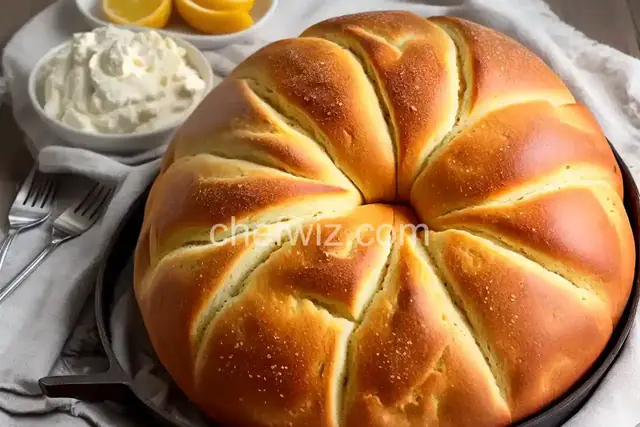
Easter is a time for celebration, joy, and new beginnings. And what better way to commemorate this special occasion than with a loaf of freshly baked Paska bread? Paska bread, also known as Kulich or Babka, is a traditional Easter bread that holds a special place in the hearts and homes of many families around the world. Its rich history, unique flavors, and symbolic decorations make it a beloved centerpiece of Easter feasts. Let's dive into the world of Paska bread and explore why it has become such a timeless tradition.
Paska bread is more than just a delicious treat; it is steeped in symbolism. Its round shape represents the cycle of life and the resurrection of Jesus Christ. The cross or braided design on top symbolizes the crucifixion, while the white icing symbolizes purity and new beginnings. Every bite of Paska bread is a reminder of the spiritual significance of Easter, and a way to honor and celebrate the resurrection of Jesus.
Baking Paska bread is an art form that requires patience, love, and attention to detail. The process begins with a rich dough made from flour, eggs, butter, sugar, and yeast. The dough is then kneaded until it reaches the perfect consistency, and left to rise until it doubles in size. Once risen, the dough is shaped into a round loaf or a tall cylinder, and decorated with symbolic designs. It is then baked to golden perfection, filling the kitchen with a heavenly aroma that signals the arrival of Easter.
Paska bread is not just visually appealing; it is also a delight for the taste buds. The bread is soft, fluffy, and slightly sweet, with a hint of vanilla and citrus flavors. Some variations even include raisins or candied fruits, adding an extra burst of flavor and texture. Whether enjoyed plain or with a spread of butter and jam, Paska bread is a true culinary delight that brings joy to every Easter table.
In a world that is constantly changing, it is important to hold on to traditions that connect us to our roots and bring us closer to our loved ones. Baking Paska bread is not just about making a delicious treat; it is about passing down a cherished tradition from one generation to the next. The process of baking Paska bread can be a bonding experience, bringing families together in the kitchen and creating memories that will last a lifetime.
Paska bread is more than just a loaf of bread; it is a symbol of faith, love, and tradition. Its timeless beauty and delicious flavors make it a cherished part of Easter celebrations around the world. So this Easter, why not start a new tradition and try your hand at baking a loaf of Paska bread? You'll not only create a delicious treat, but also a lasting memory that will be treasured for years to come.
Absolutely! While a bread machine can make the process easier, Paska bread can be made by hand with a little extra effort and love.
Paska bread is best enjoyed within a few days of baking. To keep it fresh, store it in an airtight container or wrap it in plastic wrap.
Yes, you can freeze Paska bread. Wrap it tightly in plastic wrap and place it in a freezer-safe bag or container. When ready to enjoy, thaw it at room temperature.
Absolutely! Feel free to get creative with your decorations. You can use colored icing, sprinkles, or even edible flowers to make your Paska bread unique and beautiful.
Paska bread is traditionally made for Easter, but there's no rule against enjoying it all year round! It's a delicious treat that can be enjoyed on any occasion.
Yes, there are gluten-free variations of Paska bread available. Simply substitute the regular flour with a gluten-free flour blend, and follow the recipe as usual.
Absolutely! Adding nuts or chocolate chips can add a delightful crunch or burst of sweetness to your Paska bread. Feel free to experiment and create your own unique flavors.
Yes, Paska bread makes an excellent base for French toast. Its slightly sweet flavor and fluffy texture make for a delicious breakfast or brunch treat.
AprilCook, recipe developer and the heart of Chefwiz. More about April