Parting Glass Belgian Dubbel (For Intermediate Brewers) Recipe
Rate this recipeBe the first to rate
 By AprilPublished
 Are you an intermediate brewer looking to embark on a new beer-making adventure?
 By AprilPublished
 Are you an intermediate brewer looking to embark on a new beer-making adventure?
Heat 15 quarts of tap water to 160°F and pour it into the mash tun.
Slowly add all the grains to the mash tun while stirring to prevent clumping. Make sure the mash temperature reaches 149°F.
In a separate container, heat 9 3/4 quarts of tap water to 202°F.
After allowing the mash to rest for 60 minutes, mash out by adding 9 3/4 quarts of 202°F tap water to the mash tun while stirring. The temperature should equalize to approximately 168°F.
Leave the mash at the mash out temperature for 15 minutes. In another container, heat 2 1/2 gallons of tap water to 172°F.
Slowly drain off the wort from the mash tun and add it back to the mash tun while recirculating until the wort runs clear and is free of grain particles.
Drain the mash tun into the boil kettle, sparging with 2 1/2 gallons of 172°F tap water. Add hops.
Once all the mash runnings are collected, add sugars and record the preboil gravity. Bring the wort to a boil.
Allow the wort to boil for 60 minutes, adding Whirlfloc and yeast nutrients as mentioned above. If your brewing system doesn't produce a vigorous boil, consider extending the boil to 75
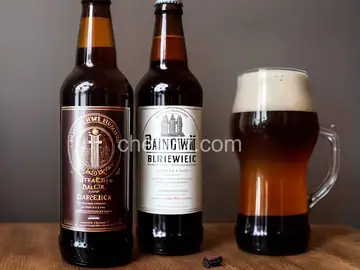
Are you an intermediate brewer looking to embark on a new beer-making adventure? Look no further than the Parting Glass Belgian Dubbel! This recipe is designed to challenge your skills and delight your taste buds. In this article, we will explore the intricacies of brewing this unique beer style, from the history and characteristics to the step-by-step brewing process. So, grab your brewing equipment and let's dive in!
Before we embark on our brewing journey, let's take a moment to understand what sets the Belgian Dubbel apart. This style originated in the abbeys of Belgium and is known for its complex flavors and aromas. Think of it as a rich tapestry of maltiness, fruity esters, and spicy phenols.
The malt bill of a Belgian Dubbel typically consists of a variety of specialty malts, including Munich, caramel, and aromatic malts. These give the beer its deep amber color and contribute to its malty sweetness. To balance out the sweetness, Belgian candi sugar is often added, which also boosts the alcohol content.
When it comes to yeast selection, a Belgian Abbey strain is the perfect choice. This yeast imparts the characteristic fruity and spicy flavors that make the Dubbel so unique. Additionally, it has the ability to attenuate well, resulting in a dry finish despite the initial maltiness.
Now that we have a good understanding of the Belgian Dubbel, let's dive into the brewing process. As an intermediate brewer, you'll find this recipe both challenging and rewarding. So, put on your brewer's hat and let's get started!
The first step in brewing the Parting Glass Belgian Dubbel is mashing in. Start by heating your water to the appropriate strike temperature. Then, slowly add your grains to the mash tun while stirring to prevent any clumping. Let the mash rest for about an hour to allow the enzymes to convert the starches into fermentable sugars.
Once the mash is complete, it's time to separate the liquid wort from the spent grains. This process is known as lautering. Start by slowly recirculating the wort over the grain bed to clarify it. Then, begin sparging by slowly adding hot water to the grain bed to extract any remaining sugars.
Now that you have your clarified wort, it's time to bring it to a boil. Once boiling, add your bittering hops and start the countdown timer. Depending on the recipe, you may also add flavor and aroma hops at specific intervals during the boil.
After the boil, it's important to quickly cool down the wort to a temperature suitable for yeast pitching. Once cooled, transfer the wort to your fermenter and pitch your Belgian Abbey yeast. Seal the fermenter and let the yeast work its magic, converting the sugars into alcohol and carbon dioxide.
After fermentation is complete, it's time to package your Parting Glass Belgian Dubbel. You can choose to bottle it using priming sugar to carbonate naturally or keg it for force carbonation. Whichever method you choose, make sure to let the beer age for a few weeks to allow the flavors to meld and mellow.
The Parting Glass Belgian Dubbel is a delightful beer style that offers a
The ideal serving temperature for this beer style is around 50-55°F. This allows the flavors to shine and the aromas to be fully appreciated.
While it's best to use the Belgian Abbey yeast for an authentic Dubbel, you can experiment with other yeast strains to create unique flavor profiles. Just keep in mind that it may result in a different beer altogether.
It's recommended to age this beer for at least 4-6 weeks to allow the flavors to develop and the alcohol to mellow. However, you can also enjoy it fresh if you prefer a more pronounced hop character.
Absolutely! Adding spices like coriander or orange peel, or even fruits like cherries or figs, can add an interesting twist to your Dubbel. Just make sure to do some research on proper usage and amounts to avoid overpowering the base beer.
To ensure proper carbonation, make sure to accurately measure and add the correct amount of priming sugar to your bottling bucket. Also, ensure that your bottles are clean and properly sealed to prevent any leaks.
Absolutely! Just make sure to adjust the recipe and ingredient amounts accordingly. Brewing a smaller batch can be a great way to experiment and fine-tune your brewing process.
While Belgian candi sugar is traditional for this style, you can experiment with other sugars like brown sugar or honey. Just keep in mind that it may result in subtle flavor differences.
Yes, the Parting Glass Belgian Dubbel is an excellent beer for aging. The complex flavors and high alcohol content allow it to develop and improve with time. Consider aging a few bottles to enjoy months or even years down the line.
AprilCook, recipe developer and the heart of Chefwiz. More about April