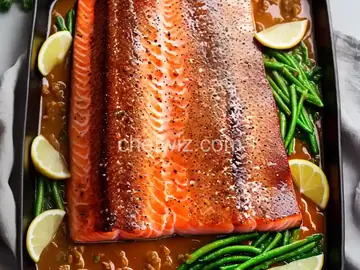
Parchment Baked Salmon
Rate this recipeBe the first to rate
 By AprilPublished
 Are you looking for a delicious and healthy way to enjoy salmon?
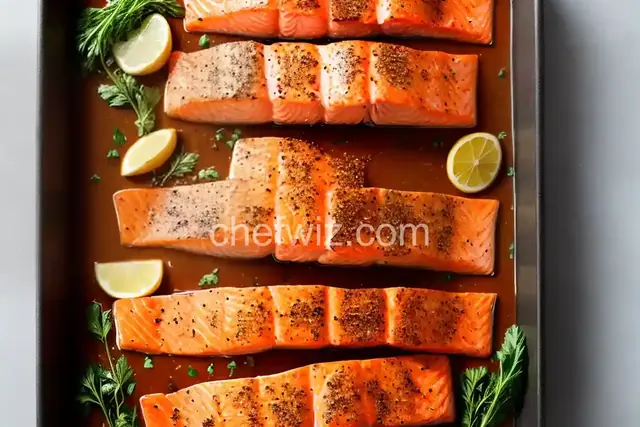 By AprilPublished
 Are you looking for a delicious and healthy way to enjoy salmon?
Preheat the oven to 400 degrees F (200 degrees C).
Adjust the oven rack to the lowest position.
Place the salmon fillet, skin-side down, on a large piece of parchment paper.
Season the fillet with salt and black pepper.
Using a sharp knife, make two 3-inch slits in the fillet.
Stuff the slits with chopped basil leaves.
Spray the fillet with cooking spray and arrange lemon slices on top.
Fold the edges of the parchment paper over the fillet several times to create an airtight packet.
Place the sealed packet on a baking sheet.
Bake in the preheated oven on the bottom rack for approximately 25 minutes, or until the salmon flakes easily and the flesh is pink and opaque, with a slightly darker pink interior.
Use an instant-read thermometer to ensure the thickest part of the fillet reaches at least 145 degrees F (65 degrees C).
To serve, carefully open the parchment paper and remove the lemon slices before plating.
Are you looking for a delicious and healthy way to enjoy salmon? Look no further than parchment baking! This cooking method not only enhances the flavor of the fish but also seals in all the juices, resulting in a tender and moist dish. In this article, we will explore the art of parchment baking and discover why it's the perfect technique for cooking salmon.
Imagine a delicate piece of salmon, gently steamed within a protective cocoon of parchment paper. As the fish cooks, it releases its natural oils, infusing the surrounding ingredients with its rich flavors. The parchment paper acts as a seal, ensuring that every bite is moist and succulent.
Not only does parchment baking create a flavorful dish, but it also keeps your salmon incredibly healthy. Unlike frying or grilling, which may require additional fats or oils, parchment baking allows the fish to cook in its natural juices. This means you can enjoy a nutritious meal without compromising on taste.
Parchment baking is a simple and foolproof method that anyone can master. Here's how to do it:
Start by preheating your oven to the desired temperature. Typically, salmon is baked at around 375째F (190째C).
Cut a large piece of parchment paper, enough to fully enclose the salmon and any additional ingredients you wish to include. The paper should be twice the size of the fish to ensure a proper seal.
Season your salmon with your favorite herbs, spices, and a pinch of salt and pepper. You can also add sliced lemons, fresh dill, or any other flavorings you desire.
Place the seasoned salmon in the center of the parchment paper. Fold the paper in half, covering the fish, and then tightly crimp the edges to create a sealed packet. This will trap all the flavors and juices inside.
Transfer the parchment packet onto a baking sheet and place it in the preheated oven. The cooking time will depend on the thickness of your salmon fillet, but a general guideline is around 12-15 minutes per inch of thickness. Ensure the salmon is cooked through before serving.
Here are a few tips and tricks to elevate your parchment baked salmon:
Don't be afraid to get creative with your seasonings and additions. Try adding thinly sliced vegetables, such as zucchini or bell peppers, for an extra burst of flavor and color.
Invest in good-quality parchment paper to ensure it doesn't tear or break during the cooking process. This will help create a tight seal and prevent any leaks.
After removing the salmon from the oven, allow it to rest for a few minutes before unwrapping. This will help the flavors to meld and the juices to redistribute, resulting in an even more delicious meal.
Parchment baked salmon is a delightful and healthy way to enjoy this nutritious fish. The gentle cooking process ensures that each bite is tender, moist, and packed with flavor. Whether you're a seafood lover or looking to add more variety to your meals, parchment baking is a technique worth mastering. So, grab your parchment paper, season your salmon, and let the oven work its magic!
A1: Absolutely! Just make sure to thaw the salmon thoroughly before seasoning and baking it.
A2: It's best to use fresh parchment paper for each baking session to ensure proper sealing and prevent any cross-contamination.
A3: While parchment paper is the ideal choice, you can use aluminum foil as a substitute. However, keep in mind that the cooking time may vary.
A4: Absolutely! Parchment baking works well with a variety of fish, including cod, halibut, and trout.
A5: The salmon should be opaque and flake easily with a fork. You can also use a food thermometer to ensure it reaches an internal temperature of 145째F (63째C).
A6: Yes, you can! Just make sure to place the sauce or marinade inside the parchment packet to prevent it from spilling out.
A7: Absolutely! Simply place the parchment packet on the grill and cook over medium heat until the salmon is done.
A8: Yes, you can! Just ensure that the vegetables are thinly sliced and placed in the same parchment packet as the salmon for even cooking.
AprilCook, recipe developer and the heart of Chefwiz. More about April