Paratha (Flaky South Asian Flatbread) Recipe
Rate this recipeBe the first to rate
 By AprilPublished
 Are you craving a warm and flaky bread that will transport you straight to the streets of South Asia?
 By AprilPublished
 Are you craving a warm and flaky bread that will transport you straight to the streets of South Asia?
In a large mixing bowl, combine the flour and kosher salt. Whisk together until well combined, which should take about 1 minute.
Add the oil to the flour mixture and rub it evenly into the flour for about 5 minutes.
Create a well in the center of the flour mixture and pour in 1 cup (240ml) of warm water. Using your fingers, roughly combine the flour and water until just brought together, which should take about 1 minute.
Knead the dough until it forms a sticky ball, which should take about 5 minutes.
Leave the dough in the bowl and cover it with plastic wrap or a moist towel. Set it aside to rest at room temperature for at least 1 hour, or up to 24 hours in the refrigerator.
Once the dough has rested, divide it into 8 equal portions. Work with one portion at a time, keeping the remaining dough covered with a moist towel or plastic wrap.
On a clean surface, roll out each portion of dough as thin as possible. Sprinkle flour as needed to prevent sticking. The final dimensions of the rolled out dough should be roughly 16 inches by 10 inches, and it should be paper thin and translucent.
Using a small offset spatula, spread 1 tablespoon (15g) of softened ghee across the surface of the rolled out dough. Sprinkle a pinch of flour over the ghee.
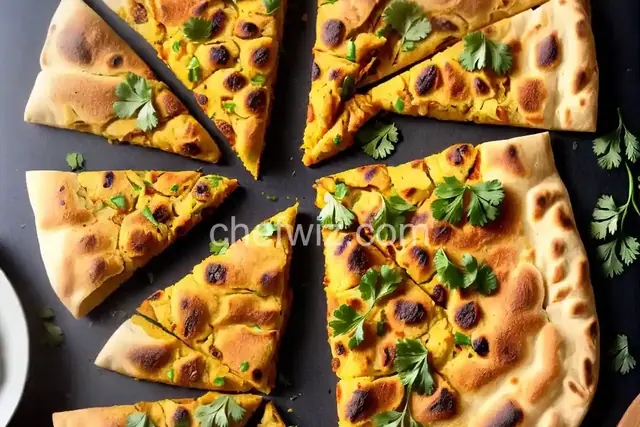
Are you craving a warm and flaky bread that will transport you straight to the streets of South Asia? Look no further than the mouthwatering Paratha! This delectable flatbread is a staple in many South Asian cuisines and is loved for its flaky layers and versatility. Whether you're enjoying it with a hearty curry or as a standalone snack, Paratha is sure to satisfy your cravings.
Picture this: you take a bite of Paratha and are greeted with a burst of flaky layers that melt in your mouth. It's like biting into a cloud of deliciousness! The secret behind Paratha's flakiness lies in its preparation. The dough is rolled out, brushed with oil or ghee, and then folded multiple times to create layers. This process results in a texture that is both light and crispy, making Paratha a true delight to eat.
Paratha's versatility knows no bounds. It can be enjoyed with a variety of dishes or even on its own. Pair it with a spicy curry for a complete and satisfying meal, or stuff it with your favorite fillings like potatoes, cheese, or even Nutella for a scrumptious twist. The possibilities are endless! Paratha can be served for breakfast, lunch, dinner, or as a snack, making it a crowd-pleaser for any occasion.
Preparing Paratha may seem daunting at first, but with a little practice, you'll soon become a pro. The dough is made with simple ingredients like flour, water, and salt. It's then kneaded until soft and pliable. After a resting period, the dough is divided into small balls, rolled out, and folded to create layers. Finally, it's cooked on a hot griddle until golden brown and crispy. The end result? A delicious and flaky Paratha that will leave you wanting more.
Want to achieve Paratha perfection? Here are a few tips to help you along the way:
Paratha, with its flaky layers and versatility, is truly a delight for the senses. Whether you're enjoying it with a spicy curry or as a snack on its own, this South Asian flatbread is guaranteed to leave you craving more. So why not give it a try in your own kitchen? With a little practice and a whole lot of love, you'll be able to create Parathas that are just as delicious as the ones you find on the streets of South Asia.
Absolutely! Whole wheat flour can be used to make Paratha, giving it a nutty and wholesome flavor.
Yes, you can make Paratha ahead of time and store it in an airtight container. When you're ready to enjoy it, simply reheat it on a griddle or in a microwave.
To prevent Paratha from becoming too oily, make sure to brush it lightly with ghee or oil. Using excessive amounts can result in an overly greasy texture.
Yes, Paratha can be frozen for later use. Simply wrap each Paratha individually in plastic wrap or foil, and store them in a freezer-safe bag or container. When you want to enjoy them, thaw and reheat as desired.
While oil or ghee adds flavor and enhances the flakiness of Paratha, you can make a healthier version by using a non-stick pan and skipping the oil or ghee altogether.
Yes, you can make Paratha gluten-free by using a gluten-free flour blend. Keep in mind that the texture and flakiness may be slightly different compared to traditional Paratha.
Absolutely! If you're short on time or prefer convenience, store-bought dough can be used to make Paratha. Just make sure to follow the folding and cooking instructions to achieve the desired flakiness.
While folding the dough creates the signature flaky layers of Paratha, you can still make a delicious flatbread by simply rolling out the dough and cooking it on a griddle. Just keep in mind that it won't have the same flakiness as traditional Paratha.
AprilCook, recipe developer and the heart of Chefwiz. More about April