Pappardelle (Egg Pasta Dough)
Rate this recipeBe the first to rate
 By AprilPublished
 Have you ever wondered how to make those delicious, silky strands of pappardelle pasta?
 By AprilPublished
 Have you ever wondered how to make those delicious, silky strands of pappardelle pasta?
In a large bowl, mix together 00 and semolina flours along with salt, creating a well in the center.
Add the egg and yolks into the center of the well.
Using a fork, gradually incorporate the flour into the eggs to form a rough dough. Add a splash of water if the dough is too dry or a sprinkle of flour if it is too wet.
Lightly flour a smooth work surface and transfer the dough onto it.
Knead the dough for 10 to 12 minutes, until it springs back when pressed with a finger.
Flatten the dough into an even square shape.
Wrap the dough tightly in plastic wrap and let it rest at room temperature for 1 hour.
Divide the dough into 3 equal pieces.
Set up a pasta roller according to the manufacturer's instructions, adjusting it to the widest setting.
Dust one section of the dough with semolina flour and press firmly to flatten it to a thickness of 1/4 inch.
Pass the dough through the widest setting of the pasta machine.
Fold the pasta dough in thirds and dust the outside with flour. Pass it through the widest setting again.
Reduce the machine's setting to the next level and pass the dough through it.
Fold the dough in thirds once more and pass it through the same setting again.
Continue this process, decreasing the setting
Have you ever wondered how to make those delicious, silky strands of pappardelle pasta? Well, look no further! In this article, I will guide you through the process of making homemade pappardelle pasta dough from scratch. Whether you're a seasoned pasta enthusiast or a beginner in the kitchen, this recipe is sure to delight your taste buds!
You may be wondering, why go through the trouble of making your own pasta dough when you can easily buy it from the store? The answer is simple - homemade pasta not only tastes fresher and more flavorful, but it also gives you complete control over the ingredients. Plus, there's something incredibly satisfying about rolling out your own pasta and creating a dish from scratch. It's like a work of culinary art!
Before we dive into the process, let's gather all the ingredients you will need. Don't worry, you probably already have them in your pantry!
- All-purpose flour - Eggs - Olive oil - Salt
Now that we have our ingredients ready, it's time to mix the dough. Making pasta dough is like creating a masterpiece. You start with a blank canvas and gradually bring it to life.
1. Create a well in the center of the flour. 2. Crack the eggs into the well and add a drizzle of olive oil. 3. Using a fork, gradually incorporate the flour into the eggs, mixing until the dough starts to come together. 4. Knead the dough on a floured surface until it becomes smooth and elastic.
Just like us, pasta dough needs some rest and relaxation. This step is crucial for allowing the gluten to develop and the dough to become more pliable.
1. Wrap the dough in plastic wrap and let it rest for at least 30 minutes. 2. During this time, you can prepare your pasta sauce or clean up the kitchen. It's a win-win!
It's time to bring out your inner artist and turn that dough into beautiful pappardelle ribbons. Roll up your sleeves and let's get started!
1. Divide the dough into smaller portions to make it easier to work with. 2. Flatten one portion with a rolling pin until it's thin enough to fit through a pasta machine. 3. Pass the dough through the pasta machine, gradually reducing the thickness until you reach your desired thickness. 4. Dust the rolled dough with flour and use a sharp knife or a pasta cutter to cut it into wide ribbons.
Making your own pappardelle pasta dough is a labor of love that pays off with delicious results. The process of mixing, resting, rolling, and cutting the dough is a culinary journey that allows you to appreciate the art of pasta-making. So, the next time you're craving a comforting bowl of pasta, why not give homemade pappardelle a try?
Yes, you can! After kneading the dough, shape it into a ball, wrap it tightly in plastic wrap, and store it in the freezer. When you're ready to use it, simply thaw it in the refrigerator overnight.
If stored properly in the refrigerator, homemade pasta dough can last for up to 2-3 days. Just make sure to wrap it tightly in plastic wrap to prevent it from drying out.
Absolutely! Whole wheat flour adds a nutty flavor and a slightly denser texture to the pasta dough. Just keep in mind that you may need to adjust the amount of liquid in the recipe.
While a pasta machine makes the process easier, you can still roll out the dough with a rolling pin. It may require a bit more effort, but the end result will be equally delicious.
Certainly! You can experiment with adding herbs, spices, or even vegetable purees to the dough for added flavor and color. Just remember to adjust the proportions accordingly.
To prevent the pasta dough from sticking together, make sure to dust it with flour as you roll and cut it. You can also lay the cut ribbons on a floured surface or hang them on a pasta drying rack.
Traditionally, pappardelle pasta is made with eggs, which give it a rich and silky texture. However, if you're looking for an egg-free alternative, you can try making it with semolina flour and water.
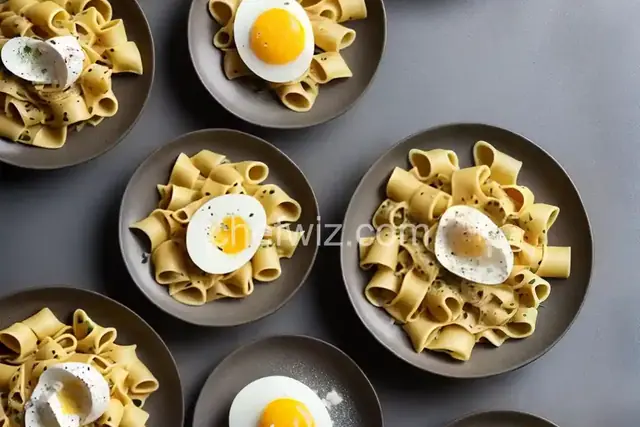
Pappardelle pasta pairs well with a variety of sauces, such as creamy mushroom sauce, hearty meat rag√π, or a simple tomato and basil sauce. Its wide ribbons are perfect for capturing and holding onto all that saucy goodness.
Now that you have all the knowledge and tips to make your own pappardelle pasta dough, it's time to get creative in the kitchen. So go ahead, roll up your sleeves, and embark on a pasta-making adventure!
AprilCook, recipe developer and the heart of Chefwiz. More about April