Paper Plane
Rate this recipeBe the first to rate
 By AprilPublished
 Have you ever marveled at the sight of a paper plane soaring through the sky?
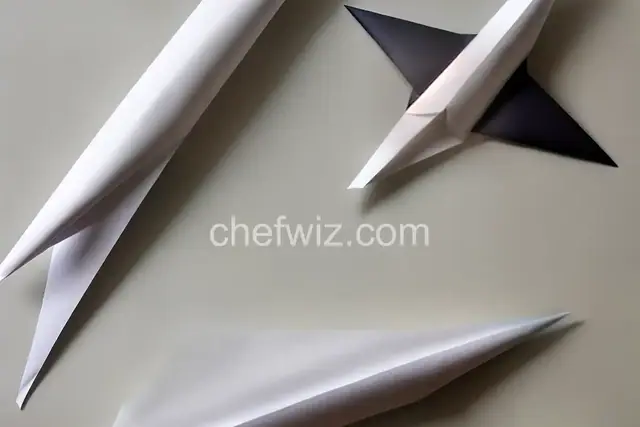 By AprilPublished
 Have you ever marveled at the sight of a paper plane soaring through the sky?
Gather
,
,
, and
into a cocktail shaker.
Fill the shaker with ice.
Shake the mixture vigorously until the outside of the shaker becomes frosty, which should take approximately 20 seconds.
Use a strainer to pour the contents into two coupe glasses.
Have you ever marveled at the sight of a paper plane soaring through the sky? It's amazing how such a simple fold can create an object that defies gravity. In this article, we'll explore the world of paper planes, from their humble beginnings to the secrets behind their flight. So, grab a sheet of paper and let's embark on a journey of imagination and aerodynamics!
Believe it or not, the concept of paper planes dates back centuries. In ancient China, people would fold paper into various shapes, including birds that were believed to bring good luck. However, it wasn't until the 20th century that the paper plane as we know it today gained popularity.
During World War II, pilots used paper planes as a form of entertainment during their downtime. They would fold and fly them, competing to see whose plane could travel the farthest. Little did they know that they were unknowingly perfecting the art of aerodynamics.
So, what makes a paper plane soar through the air? It all comes down to the forces of flight: lift, weight, thrust, and drag. When you throw a paper plane, the force propels it forward, creating thrust. As the plane moves through the air, the shape of its wings creates lift, counteracting the force of gravity.
But what about drag? Drag is the resistance that opposes the plane's motion through the air. When you fold a paper plane, its streamlined shape minimizes drag, allowing it to glide effortlessly through the sky.
Now, let's talk about the art of folding a paper plane. There are countless designs to choose from, each with its own unique flight characteristics. From the classic dart to the intricate swallow, the possibilities are endless.
When folding a paper plane, it's crucial to pay attention to the creases and angles. A well-folded plane will have crisp edges and symmetrical wings. Remember, even the smallest imperfection can affect its flight.
Now that you know the science and art behind paper planes, it's time to take flight! Find an open space, preferably outdoors, and prepare for a thrilling adventure. Hold the plane by its body, take a deep breath, and launch it into the air with a gentle flick of your wrist.
As your paper plane soars through the sky, take a moment to appreciate the simple beauty of its flight. It's a reminder that even the simplest of things can bring joy and wonder.
From ancient China to modern-day competitions, the paper plane has captured the hearts and imaginations of people worldwide. Its simple fold and graceful flight remind us that sometimes, the most extraordinary things can come from the simplest of beginnings.
So, the next time you see a paper plane gliding through the sky, take a moment to appreciate the wonder of its flight. And who knows, maybe you'll be inspired to fold your own and join the ranks of paper plane enthusiasts soaring through the heavens.
Yes, you can use any type of paper to make a paper plane. However, lightweight paper, such as printer paper or origami paper, tends to work best.
The distance a paper plane can fly depends on various factors, including its design, the throwing technique, and environmental conditions. With the right combination, a well-folded paper plane can travel impressive distances.
The current Guinness World Record for the longest paper plane flight is 226 feet and 10 inches. That's almost the length of a football field!
Absolutely! Decorating your paper plane can add a personal touch and make it stand out from the crowd. Just make sure not to add too much weight, as it can affect the plane's flight.
While there isn't a one-size-fits-all throwing technique, a gentle and smooth release is generally recommended. Experiment with different angles and speeds to find what works best for your plane.
Of course! Paper planes are not just for kids. They can bring joy and a sense of nostalgia to people of all ages. So, grab a sheet of paper and unleash your inner aviator!
Absolutely! While instructions can be helpful, folding a paper plane without them can be a fun and creative challenge. Don't be afraid to experiment and see what kind of design you can come up with.
Yes, there are various paper plane competitions held around the world. These events bring together enthusiasts of all ages to showcase their folding skills and compete for the title of the best paper plane pilot.
AprilCook, recipe developer and the heart of Chefwiz. More about April