Pao: Portuguese Farm Bread
Rate this recipeBe the first to rate
 By AprilPublished
 Imagine waking up to the aroma of freshly baked bread wafting through your house.
 By AprilPublished
 Imagine waking up to the aroma of freshly baked bread wafting through your house.
In a large heavy-duty food processor (about 11 cup capacity), combine the yeast, semolina flour, and water by pulsing for 10 seconds.
Scrape down the sides of the work bowl and let the mixture stand until foamy for about 15 minutes.
With the food processor running, add 1 1/2 cups of all-purpose flour down the feed tube. It's easier to pour the flour from a spouted measuring cup into a wide-mouth canning funnel inserted in the feed tube, or a stiff piece of paper rolled into a cone (the opening at the bottom should be at least 1-inch across).
Use a plastic spatula to scrape the work bowl and redistribute the dough evenly around the blade. Be cautious of the blade.
Add the salt and remaining flour, distributing evenly over the dough, and pulse for 10 seconds. Scrape the work bowl again and redistribute the dough.
Pulse the dough for 20 seconds continuously, then turn off the machine and let the dough rest covered in the work bowl for 5 minutes. Pulse for another 20 seconds.
Keep the blade in place and carefully redistribute the dough until it's of uniform thickness. Cover the work bowl, keeping the pusher from the feed tube in place. Note the level of the dough, estimate what it should be when doubled in bulk, and mark that level on the side of the work bowl.
8.
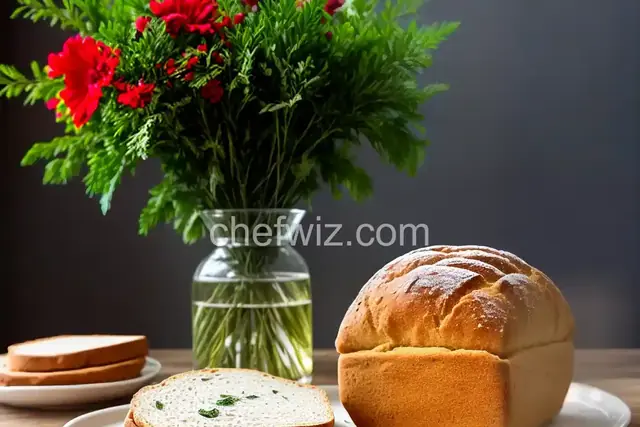
Imagine waking up to the aroma of freshly baked bread wafting through your house. The crispy crust, the soft and fluffy interior, and the rich flavor that lingers on your taste buds. That's the magic of Pao, the traditional Portuguese farm bread.
For centuries, Pao has been a staple in Portuguese households. It is a testament to the rich culinary heritage of the country. The bread is made using simple ingredients - flour, water, yeast, and salt. But it's the time-honored techniques and passion that goes into its making that sets it apart.
One of the secrets to the incredible flavor and texture of Pao lies in its fermentation process. The dough is left to rise slowly, allowing the yeast to work its magic. This slow fermentation creates a depth of flavor and a light, airy structure that is characteristic of Pao.
Another hallmark of Pao is its crust. The bread is baked at a high temperature, resulting in a golden, crispy crust that crackles with every bite. It's like a protective armor that seals in the moisture and keeps the bread fresh for days.
Pao is a versatile bread that can be enjoyed in various ways. It's perfect for sandwiches, whether you prefer savory fillings like ham and cheese or a simple spread of butter and jam. It also makes a delightful accompaniment to soups and stews, soaking up the flavors and adding a satisfying chewiness to every spoonful.
In Portugal, Pao is a breakfast staple. Imagine starting your day with a warm slice of Pao, slathered with butter and paired with a cup of strong coffee. It's a simple pleasure that brings comfort and nourishment to the start of your day.
In Portuguese culture, Pao is more than just a bread. It's a symbol of togetherness and community. Families gather around the table, breaking bread together, sharing stories, and creating memories. Pao brings people together in a way that few other things can.
Pao, the Portuguese farm bread, is a true culinary treasure. From its rich history to its incredible flavor and versatility, it captures the essence of Portuguese cuisine. So next time you take a bite of Pao, savor it. Enjoy the simple pleasure of good bread, made with love and tradition.
Pao stands out with its slow fermentation process, resulting in a unique flavor and a light, airy structure.
Absolutely! With the right recipe and technique, you can recreate the magic of Pao in your own kitchen.
Thanks to its crust, Pao can stay fresh for several days if stored properly.
There are many variations of Pao, such as Pao de Milho (cornbread) and Pao de Centeio (rye bread).
Traditional Pao is made with wheat flour and contains gluten. However, there are gluten-free alternatives available.
Yes, you can freeze Pao. Just make sure to wrap it tightly to prevent freezer burn.
Pao is best enjoyed fresh, either on its own or with your favorite toppings.
Look for local bakeries or specialty stores that offer traditional Portuguese bread.
AprilCook, recipe developer and the heart of Chefwiz. More about April