Panqueques
Rate this recipeBe the first to rate
 By AprilPublished
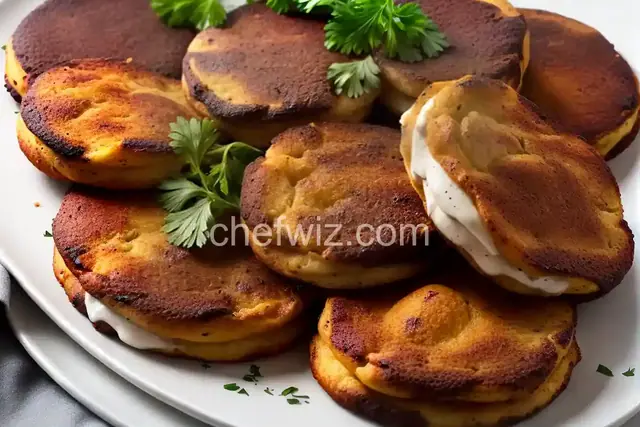
 Who doesn't love a stack of fluffy, golden panqueques topped with a drizzle of maple syrup?
 By AprilPublished
 Who doesn't love a stack of fluffy, golden panqueques topped with a drizzle of maple syrup?
Combine flour, egg yolk, and milk in a bowl and mix until you have a smooth and thin batter for the crepes.
Heat a crepe pan over medium-low heat and melt 1/4 teaspoon of butter.
Pour 1 tablespoon of the crepe batter onto the pan and let it set. Then, flip the crepe to cook the other side.
Fill each crepe with dulce de leche and set them aside.
Once all the crepes are made, heat the rum with sugar until it ignites.
Pour the ignited rum mixture over the crepes.
Serve the crepes immediately.
In a heavy-bottom saucepan, scald the milk.
Add all the other ingredients to the saucepan.
Cook the mixture on medium-low heat until it turns into caramel, which should take about 1 hour.
Who doesn't love a stack of fluffy, golden panqueques topped with a drizzle of maple syrup? Whether you enjoy them for breakfast, brunch, or even as a dessert, panqueques are a versatile and delicious treat that everyone can enjoy. In this article, we'll explore the history of panqueques, tips for making the perfect batch, and some creative topping ideas to elevate your panqueque experience.
Did you know that panqueques have been enjoyed for centuries around the world? These thin, flat cakes can be traced back to ancient civilizations, where they were often made with humble ingredients such as flour, eggs, and milk. From the French crepes to the Russian blini, panqueques have taken on various forms and flavors throughout history.
Today, panqueques are a beloved dish in many cultures, each with their own unique twist. In Argentina, for example, panqueques are often filled with dulce de leche and served as a sweet treat. In the United States, pancakes are typically served with butter and syrup, while in Japan, they are enjoyed with savory toppings like seaweed and soy sauce. No matter where you are in the world, there's a panqueque recipe to suit your taste buds.
Making the perfect panqueques requires a delicate balance of ingredients and technique. Here are a few tips to ensure your panqueques turn out light, fluffy, and delicious:
The type of flour you use can greatly impact the texture of your panqueques. All-purpose flour is a popular choice, but you can also experiment with whole wheat or buckwheat flour for a nuttier flavor. Remember to sift your flour to remove any lumps and ensure a smooth batter.
When it comes to making panqueques, precision is key. Use measuring cups and spoons to accurately measure your ingredients, especially the flour and liquid. Too much or too little of either can result in dense or thin panqueques.
Allowing your panqueque batter to rest for at least 15 minutes before cooking is essential. This allows the gluten in the flour to relax, resulting in tender and airy panqueques. Don't skip this step for the best results!
Finding the right heat for your panqueques is crucial. Too high of a heat will cause the edges to brown before the center cooks, while too low of a heat will result in pale and undercooked panqueques. Aim for medium heat and adjust as needed.
While panqueques are delicious on their own, they become even better with a variety of toppings. Here are some creative ideas to take your panqueque game to the next level:
Top your panqueques with a medley of fresh berries, such as strawberries, blueberries, and raspberries. Finish it off with a dollop of homemade whipped cream for a burst of freshness and sweetness.
Indulge your sweet tooth by spreading a generous amount of Nutella on your panqueques. Add some sliced bananas for a creamy and flavorful combination that will satisfy any dessert lover.
If you prefer a savory twist, sauté some fresh spinach and crumble feta cheese on top of your panqueques. The combination of flavors will create a mouthwatering dish that's perfect for brunch.
Panqueques are a delightful treat that can be enjoyed in various ways. Whether you prefer them sweet or savory, there's a panqueque recipe to suit your taste. Experiment with different toppings and flavors to create your own signature panqueque masterpiece. So, why wait? Get your spatula ready and start flipping some panqueques today!
Yes, you can! Simply substitute regular flour with a gluten-free flour blend, such as almond flour or rice flour, to make gluten-free panqueques.
Absolutely! Allow the panqueques to cool completely, then stack them with parchment paper in between each one. Place them in a freezer-safe bag or container and freeze for up to 3 months. To reheat, simply pop them in the toaster or microwave.
Yes, you can make eggless panqueques by substituting eggs with ingredients like mashed bananas, applesauce, or yogurt. These alternatives will help bind the batter together and still result in delicious panqueques.
While panqueques and crepes are similar, they do have some differences. Panqueques are typically thicker and fluffier, while crepes are thin and delicate. The batter and cooking techniques for both also differ slightly.
Absolutely! You can make the batter ahead of time and refrigerate it overnight. When you're ready to cook, simply give the batter a quick stir and proceed as usual. This is a great time-saving option for busy mornings.
Yes, you can make vegan panqueques by using plant-based milk, such as almond or soy milk, and substituting eggs with ingredients like flaxseed meal or chia seeds mixed with water. These alternatives will still result in delicious vegan panqueques.
Absolutely! Sprinkle some chocolate chips onto the panqueques as they cook for a delightful chocolatey surprise. You can also add other mix-ins like nuts or berries for added flavor and texture.
While a non-stick pan is ideal for making panqueques, you can still make them using a regular pan. Just make sure to grease the pan well with butter or oil before pouring the batter to prevent sticking.
AprilCook, recipe developer and the heart of Chefwiz. More about April