Pandesal (Filipino Rolls)
Rate this recipeBe the first to rate
 By AprilPublished
 When it comes to Filipino bread, pandesal is the undisputed king.
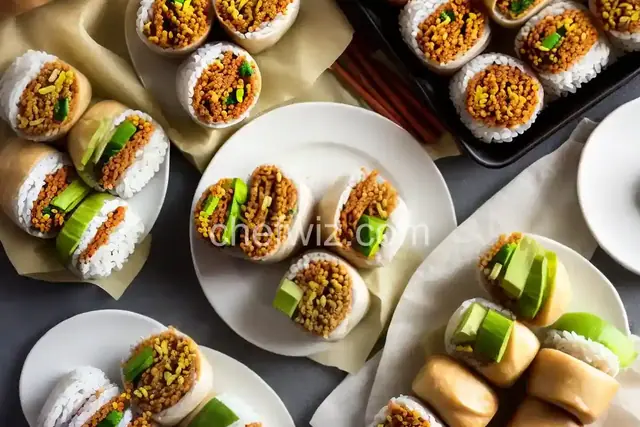 By AprilPublished
 When it comes to Filipino bread, pandesal is the undisputed king.
In the stand mixer bowl, combine flour, sugar, yeast, and salt. Mix on low speed until well mixed.
Add milk, oil, eggs, and egg yolk to the mixture. Mix until a slightly rough dough forms, approximately 2 minutes.
Increase the mixer speed to medium and continue mixing until the dough becomes smooth and pulls away from the sides of the bowl (it will still stick to the bottom of the bowl), approximately 10 minutes.
Use a bowl scraper to transfer the dough to a large bowl that has been lightly oiled. Loosely cover the bowl with plastic wrap and let it sit at a warm room temperature (about 75°F/24°C) until the dough doubles in size, approximately 1 1/2 hours.
Line a baking sheet with parchment paper. Place breadcrumbs in a wide shallow bowl.
Transfer the dough onto a clean, floured surface without deflating it. Divide the dough into 16 equal portions (about 2 1/3 ounces or 65g each).
Take one portion at a time and use your palm to cup the dough. Use quick circular motions to form a smooth ball. Roll the ball in the breadcrumbs until evenly coated on all sides. Place the coated ball on the prepared baking sheet. Repeat this step with the remaining portions of dough, leaving about 1 inch of space between each ball on the baking sheet.
Loos
When it comes to Filipino bread, pandesal is the undisputed king. These fluffy and slightly sweet rolls are a staple in every Filipino household, often enjoyed for breakfast or as a snack throughout the day. But what makes pandesal so special? Let's dive into the world of pandesal and uncover its secrets.
Just like any great dish, pandesal has an interesting history. It is believed that pandesal originated during the Spanish colonial era in the Philippines. The name "pandesal" literally translates to "salt bread" in Spanish. However, unlike its name suggests, pandesal is not really salty. In fact, it has a slightly sweet taste that sets it apart from other bread rolls.
One of the things that make pandesal so beloved is its fluffy texture. The secret behind this light and airy goodness lies in the technique of making the dough. Pandesal dough is typically made with bread flour, sugar, yeast, and milk. The dough is then kneaded until it becomes smooth and elastic. This process helps develop gluten, which gives the bread its structure and chewy texture.
Have you ever wondered why pandesal is rolled in breadcrumbs? Well, there's actually a practical reason behind it. The breadcrumbs serve as a protective layer, preventing the rolls from sticking to each other during the proofing and baking process. Additionally, the breadcrumbs add a delightful crunch and extra flavor to the crust of the pandesal.
Pandesal is best enjoyed fresh out of the oven, when it's still warm and fragrant. You can simply eat it as is or pair it with your favorite spread, such as butter, cheese, or even condensed milk. Some people even use pandesal as a sandwich bun, stuffing it with various fillings like ham, eggs, or sausages. The possibilities are endless!
Yes, you can! To freeze pandesal, simply let them cool completely, then place them in airtight containers or freezer bags. When you're ready to enjoy them, just thaw them at room temperature or reheat them in the oven for a few minutes.
Absolutely! While a bread machine can make the process more convenient, you can still make pandesal without one. All you need is a mixing bowl, some elbow grease, and a bit of patience for the dough to rise.
Yes, you can make pandesal gluten-free by using a gluten-free flour blend in place of the bread flour. Just ensure that the blend you choose is suitable for bread-making to achieve the desired texture.
Pandesal is best enjoyed within a day or two of baking. However, if stored properly in an airtight container or bag, it can stay fresh for up to three days. You can also reheat it in the oven or toaster to bring back its freshness.
Yes, you can substitute part or all of the bread flour with whole wheat flour to make a healthier version of pandesal. Keep in mind that whole wheat flour may result in a denser texture compared to using only bread flour.
Definitely! You can get creative and add various fillings to your pandesal. Some popular options include cheese, ube (purple yam) jam, chocolate spread, or even hotdogs. Just make sure to shape the dough around the filling before baking.
Yes, you can make smaller-sized pandesal by dividing the dough into smaller portions. This is great for bite-sized treats or if you want to serve them as party appetizers.
Yes, you can make pandesal without eggs. Simply omit the eggs from the recipe, and you'll still be able to achieve delicious and fluffy rolls. Just keep in mind that the texture and flavor may be slightly different compared to traditional pandesal.
Now that you're armed with all the knowledge about pandesal, it's time to try making these delightful Filipino rolls yourself. Whether you enjoy them plain or with your favorite fillings, pandesal is sure to satisfy your cravings and transport you to the streets of the Philippines with every bite.
AprilCook, recipe developer and the heart of Chefwiz. More about April