Pancit
Rate this recipeBe the first to rate
 By AprilPublished
 Are you craving a delicious and satisfying meal? Look no further than Pancit!
 By AprilPublished
 Are you craving a delicious and satisfying meal? Look no further than Pancit!
Place the rice noodles in a large bowl and soak them in warm water.
Once the noodles have softened, cut them into 4-inch lengths and drain them. Set them aside.
In a skillet heated over medium heat, cook the chicken and pork until they are no longer pink.
Season the cooked chicken and pork with soy sauce and pepper, then remove them from the skillet and set them aside.
Saute the cabbage and carrots in the same skillet until they become tender.
Stir in the soaked rice noodles, green onions, and shrimp.
Cook the mixture for 4 to 5 minutes.
Add the cooked chicken and pork back into the skillet and continue cooking for an additional 5 minutes.
Are you craving a delicious and satisfying meal? Look no further than Pancit! This Filipino dish is a flavor-packed noodle dish that will surely tickle your taste buds. In this article, we will dive into the world of Pancit, exploring its origins, variations, and why it has become a staple in Filipino cuisine.
Pancit has a rich history that dates back to ancient times. It is believed that Pancit was brought to the Philippines by Chinese immigrants, who introduced their noodle dishes to the locals. Over time, Pancit evolved and adapted to the local tastes and ingredients, resulting in unique Filipino versions of the dish.
Just like the diverse cultures in the Philippines, Pancit comes in various regional variations. Each region has its own twist on the dish, making it a truly diverse and exciting culinary experience.
Let's take a closer look at some of the popular regional variations of Pancit:
Hailing from the northern part of the Philippines, Pancit Canton is a stir-fried noodle dish that features thick egg noodles, vegetables, and meat. It is often served during birthdays and special occasions, symbolizing long life and good luck.
Originating from Malabon City, Pancit Malabon is known for its thick rice noodles, topped with a savory sauce made from shrimp, squid, and annatto. It is garnished with various seafood toppings, such as shrimps, squid, and smoked fish.
Pancit Palabok is a popular dish from the central part of the Philippines. It features thin rice noodles topped with a flavorful shrimp sauce, crushed pork rinds, boiled egg slices, and various garnishes. It is a staple in Filipino fiestas and gatherings.
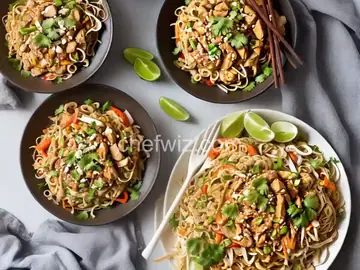
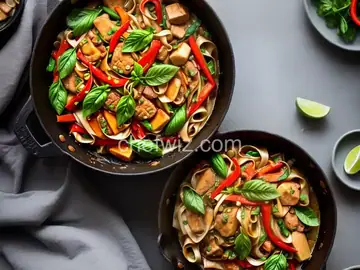
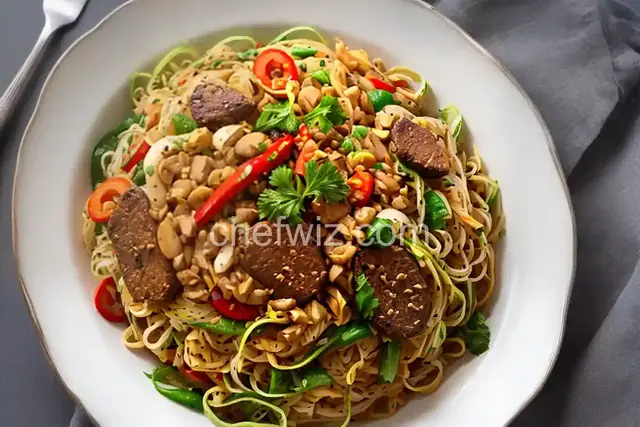
One of the most common types of Pancit is Pancit Bihon. It is made with thin rice noodles, stir-fried with vegetables, meat, and soy sauce. Pancit Bihon is a versatile dish that can be enjoyed as a main course or as a side dish.
Pancit has become a beloved dish in Filipino cuisine for several reasons. Firstly, it is a versatile dish that can be enjoyed on its own or paired with various viands. It is a go-to dish for special occasions, family gatherings, and even for everyday meals.
Additionally, Pancit is a symbol of long life and good luck in Filipino culture. It is often served during birthdays and other important celebrations, signifying the wish for a long and prosperous life.
Furthermore, Pancit showcases the diverse flavors and ingredients of the Philippines. With each regional variation, you get a taste of the unique culinary traditions and influences.
Pancit is more than just a noodle dish. It is a representation of the rich history, diverse culture, and vibrant flavors of the Philippines. Whether you're enjoying Pancit Canton, Pancit Malabon, Pancit Palabok, or Pancit Bihon, you're in for a delightful culinary experience.
A1: Absolutely! You can easily make Pancit vegetarian by substituting meat with tofu or tempeh, and using vegetable broth instead of meat-based broth.
A2: Traditional Pancit made with rice noodles is gluten-free. However, some variations may contain wheat-based noodles, so it's always best to check the ingredients.
A3: While it is possible to freeze Pancit, the texture of the noodles may change slightly upon thawing. It is best enjoyed fresh.
A4: Common garnishes for Pancit include sliced boiled eggs, calamansi (a local citrus fruit), chopped green onions, and crushed pork rinds.
A5: Absolutely! Feel free to experiment with different vegetables, meats, and sauces to create your own unique twist on Pancit.
A6: The spiciness of Pancit can vary depending on the recipe and personal preference. Some variations may include spicy sauces or chili peppers.
A7: Pancit is best enjoyed fresh, but you can prepare the ingredients in advance and cook them just before serving to save time.
A8: Yes, Pancit can be served as a side dish alongside grilled meats, roasted vegetables, or other Filipino dishes.
AprilCook, recipe developer and the heart of Chefwiz. More about April