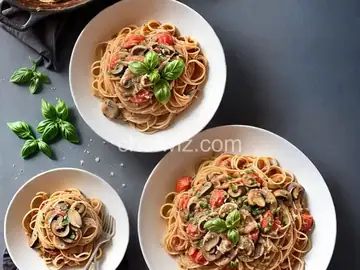
The Art of Making Pancit Palabok: A Delightful Filipino Dish
Pancit Palabok is a beloved Filipino noodle dish that combines the comforting flavors of smoky pork, seafood sauce, and a medley of toppings. It's a dish that not only satisfies the taste buds but also tells a story of Filipino culture and heritage. In this article, we will delve into the art of making Pancit Palabok, exploring its rich history, unique ingredients, and the steps to create this mouthwatering delicacy.
The Origins of Pancit Palabok
Like many traditional dishes, Pancit Palabok has a fascinating backstory. Its roots can be traced back to the Philippines, where it originated as a festive dish often served during special occasions and celebrations. The word "pancit" itself comes from the Hokkien Chinese term for "noodles," reflecting the country's historical ties with Chinese cuisine.
Pancit Palabok is a dish that embodies the blending of different cultures. It showcases the influence of Chinese flavors and techniques, combined with the Filipino love for bold and savory dishes. This unique fusion has resulted in a dish that has become a staple in Filipino cuisine, loved by locals and visitors alike.
The Key Ingredients
At the heart of Pancit Palabok is the flavorful sauce that brings the dish to life. The sauce is made from a combination of ingredients such as ground pork, shrimp, annatto seeds, fish sauce, and various spices. These ingredients come together to create a smoky, umami-packed sauce that coats the noodles and infuses them with irresistible flavors.
Another essential component of Pancit Palabok is the noodles. Traditionally, thin rice noodles, also known as bihon, are used in this dish. These delicate noodles have a tender texture that complements the rich sauce perfectly. The noodles are cooked until they reach a delightful al dente consistency, ensuring that they retain their bite and don't become mushy.
The Art of Making Pancit Palabok
Creating Pancit Palabok is a labor of love, requiring careful attention to detail and a bit of culinary finesse. The process begins by preparing the sauce, which involves sautéing the ground pork, cooking the shrimp, and adding the annatto seeds to infuse the sauce with its signature red hue.
Once the sauce is ready, it's time to cook the noodles. The thin rice noodles are boiled until they are just cooked, then drained and rinsed to remove any excess starch. The noodles are then tossed in the flavorful sauce, allowing them to absorb all the delicious flavors.
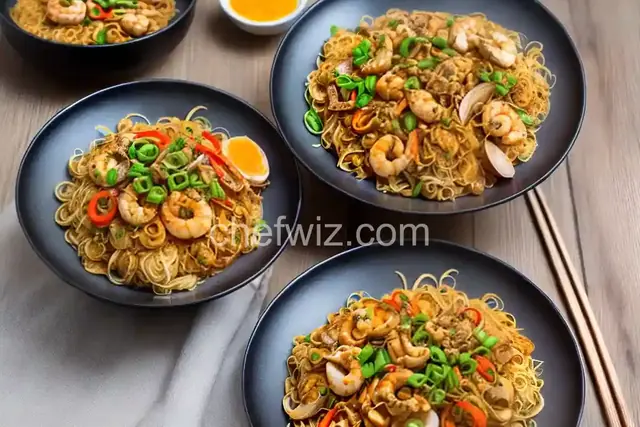
To serve Pancit Palabok, it's all about the toppings. A variety of ingredients are traditionally used to add texture and flavor to the dish. Common toppings include crispy fried garlic, crushed chicharon (pork rinds), boiled eggs, green onions, and fresh calamansi (a type of citrus fruit). These toppings provide a delightful contrast of flavors and textures, elevating the dish to a whole new level.
In Conclusion
Pancit Palabok is more than just a noodle dish; it's a reflection of Filipino culture and culinary heritage. From its origins as a festive dish to its modern-day popularity, Pancit Palabok has become a symbol of Filipino pride and a testament to the country's love for flavorful and vibrant cuisine.
Frequently asked questions
- . What is the best way to cook the noodles for Pancit Palabok?
The noodles should be boiled until they are just cooked, then drained and rinsed to remove any excess starch. This ensures that the noodles maintain their texture and don't become mushy.
- . Can I use other types of noodles besides rice noodles?
While rice noodles are the traditional choice for Pancit Palabok, you can experiment with other types of noodles if you prefer. Just keep in mind that the texture and flavor may vary.
- . What can I substitute for annatto seeds?
If you can't find annatto seeds, you can use annatto powder or substitute it with paprika for a similar red color. However, keep in mind that the flavor may be slightly different.
- . Can I make Pancit Palabok without meat?
Yes, you can make a vegetarian version of Pancit Palabok by omitting the meat and using vegetable broth instead. You can also add tofu or other plant-based protein for added flavor and texture.
- . Can I make Pancit Palabok in advance?
Pancit Palabok is best enjoyed fresh, as the noodles may become soggy if stored for too long. However, you can prepare the sauce and toppings in advance and assemble the dish just before serving.
- . Is Pancit Palabok spicy?
Traditionally, Pancit Palabok is not spicy. However, you can add a touch of heat by adding chili flakes or hot sauce to the sauce or as a topping, according to your preference.
- . Can I customize the toppings for Pancit Palabok?
Absolutely! The toppings for Pancit Palabok can be customized to your liking. Feel free to add or omit ingredients based on your taste preferences.
- . Can I serve Pancit Palabok as a main dish?
Yes, Pancit Palabok can be served as a main dish, especially during special occasions or gatherings. It's a filling and satisfying dish that is sure to impress your guests.
 By AprilPublished