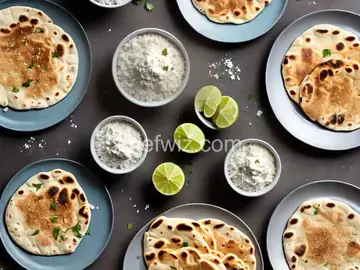
Pan De Sal I
Rate this recipeBe the first to rate
 By AprilPublished
 Who doesn't love waking up to the smell of freshly baked bread?
 By AprilPublished
 Who doesn't love waking up to the smell of freshly baked bread?
In a small mixing bowl, pour warm water and add yeast and 1 teaspoon of sugar. Stir until the yeast and sugar dissolve. Allow it to sit for approximately 10 minutes until it becomes creamy.
In a large mixing bowl, combine the remaining 15 teaspoons of sugar and oil. Mix until the mixture becomes smooth. Add the salt, 1 cup of flour, and the yeast mixture. Stir well. Gradually add the remaining 5 cups of flour, 1/2 cup at a time, until the dough no longer sticks to the sides of the bowl.
Transfer the dough onto a surface lightly dusted with flour. Knead the dough for about 10 minutes until it becomes smooth, supple, and elastic.
Lightly oil a large mixing bowl. Place the dough in the bowl and turn it to coat the dough with oil. Cover the bowl with a damp towel or plastic wrap. Allow the dough to rise in a warm place until it doubles in size, approximately 1 hour.
Once the dough has risen, transfer it onto a lightly floured surface. Divide the dough into 4 equal pieces. Shape each piece into a cylinder and roll it out until it forms a log with a diameter of 1/2 inch.
Using a sharp knife, cut each log into 1/2 inch pieces. Place the pieces onto two lightly greased baking sheets with the flat side down. Gently press
Who doesn't love waking up to the smell of freshly baked bread? Imagine the soft and fluffy texture melting in your mouth, leaving a hint of sweetness behind. That's exactly what you get with Pan de Sal, a beloved Filipino bread that has captured the hearts and taste buds of people all around the world.
Like many traditional foods, Pan de Sal has a rich history that dates back centuries. Its name, which translates to "bread of salt" in Spanish, refers to its slight salty taste and its role as a staple in many Filipino households. It is said to have been introduced to the Philippines during the Spanish colonial era and has since become an integral part of Filipino cuisine.
What makes Pan de Sal so special? It all starts with a simple yet perfect combination of ingredients. Flour, yeast, sugar, salt, and water are mixed together to form a dough that is then shaped into small balls and rolled in breadcrumbs before baking. The result is a golden brown bread with a crunchy exterior and a soft, pillowy interior.
While the basic recipe for Pan de Sal is fairly straightforward, there's one secret ingredient that sets it apart: love. Yes, you read that right. The love and passion that goes into making Pan de Sal is what makes it so special. From the careful measurement of the ingredients to the gentle kneading of the dough, every step is done with love and dedication.
Pan de Sal may be simple in its ingredients, but it is incredibly versatile in its uses. It can be enjoyed on its own, straight out of the oven, or paired with a variety of fillings and spreads. From butter and jam to cheese and ham, the possibilities are endless. Whether you're having it for breakfast, as a snack, or as part of a meal, Pan de Sal never disappoints.
For Filipinos living abroad, Pan de Sal is more than just a bread. It's a taste of home, a connection to their roots. Just one bite can transport them back to memories of lazy Sunday mornings, family gatherings, and the comforting warmth of their mother's kitchen. It's a reminder of the rich culinary heritage that has been passed down through generations.
Over the years, Pan de Sal has gained popularity beyond the borders of the Philippines. Filipino bakeries and restaurants around the world have embraced this humble bread, introducing it to new cultures and palates. Its unique taste and fluffy texture have made it a favorite among both Filipinos and non-Filipinos alike.
Pan de Sal is more than just a bread. It's a symbol of tradition, love, and the Filipino spirit. From its humble beginnings to its widespread popularity, Pan de Sal has become a beloved part of Filipino culture. So the next time you take a bite of this sweet and fluffy bread, savor the taste and appreciate the history behind it.
Absolutely! Making Pan de Sal at home is a wonderful way to experience the joy of baking. With just a few simple ingredients and some patience, you can create your own batch of fluffy goodness.
Yes, you can freeze Pan de Sal. Just make sure to place them in an airtight container or bag before freezing. When you're ready to enjoy them, simply thaw them at room temperature or reheat them in the oven for a few minutes.
While the classic Pan de Sal is a favorite, there are also variations that incorporate different flavors and fillings. Some popular variations include cheese-filled Pan de Sal, ube-flavored Pan de Sal, and pandan-flavored Pan de Sal.
While Pan de Sal is commonly enjoyed for breakfast, it can be eaten at any time of the day. It makes for a delicious snack or can be paired with savory dishes for a hearty meal.
Yes, you can make gluten-free Pan de Sal by using alternative flours such as rice flour or almond flour. There are many gluten-free recipes available that cater to different dietary needs.
To keep your Pan de Sal fresh, store them in an airtight container or bag at room temperature. They are best consumed within a day or two, but you can also freeze them for longer storage.
While the traditional Pan de Sal recipe calls for basic ingredients, you can certainly experiment and add your own twist. Some popular additions include grated cheese, raisins, or even chopped nuts.
Pan de Sal is widely available in Filipino bakeries and restaurants, especially in areas with a large Filipino community. You can also find frozen Pan de Sal in some grocery stores or order them online.
AprilCook, recipe developer and the heart of Chefwiz. More about April