Pan de Muertos (Mexican Bread of the Dead)
Rate this recipeBe the first to rate
 By AprilPublished
 Have you ever wondered about the delicious bread that is traditionally baked in Mexico during the Day of the Dead celebration?
 By AprilPublished
 Have you ever wondered about the delicious bread that is traditionally baked in Mexico during the Day of the Dead celebration?
Heat milk and margarine in a medium saucepan over low heat until margarine melts.
Remove from heat and add warm water. Make sure the mixture is around 110 degrees F (43 degrees C).
In a large bowl, combine 1 cup flour, sugar, anise seed, yeast, and salt.
Beat in the warm milk mixture, then add eggs and orange zest. Beat until well combined.
Stir in 1/2 cup flour and continue adding more flour until the dough is soft.
Turn the dough out onto a lightly floured surface and knead until smooth and elastic.
Place the dough into a lightly greased bowl. Cover with plastic wrap and let it rise in a warm place until doubled in size, which usually takes 1 to 2 hours.
Punch the dough down and shape it into a large round loaf with a round knob on top.
Place the dough onto a baking sheet and loosely cover it with plastic wrap. Let it rise in a warm place until it's about doubled in size, which takes about 1 hour.
Preheat the oven to 350 degrees F (175 degrees C).
Bake the bread in the preheated oven until it turns golden brown, which usually takes 35 to 45 minutes.
Let the bread cool slightly before brushing it with the glaze.
To make the glaze
Have you ever wondered about the delicious bread that is traditionally baked in Mexico during the Day of the Dead celebration? The Pan de Muertos, also known as Mexican Bread of the Dead, is a fascinating and mouthwatering treat that holds significant cultural and spiritual meaning. In this article, we will explore the rich history, symbolism, and flavors behind this iconic bread.
Like many traditional dishes, Pan de Muertos has a long and storied history. It dates back to the ancient Aztec civilization, where offerings of food were made to honor the souls of the departed. The bread itself was shaped like a small mound, representing a tomb, and adorned with dough "bones" that symbolized the deceased loved ones.
Over time, the tradition of baking Pan de Muertos during the Day of the Dead festivities merged with the influence of Spanish colonizers. The bread began to take on a more recognizable shape, resembling a round loaf with a cross on top. It became a staple in Mexican households, passed down through generations as a way to remember and honor those who have passed away.
Pan de Muertos is not just a delicious treat; it is also packed with symbolism. The round shape represents the circle of life, while the cross on top signifies the four cardinal directions. The dough "bones" represent the deceased and are often placed on top of the loaf in the shape of a cross or arranged in a circular pattern.
Each bite of Pan de Muertos is a reminder of the fleeting nature of life, as well as a celebration of the memories and legacies of those who have passed away. It is a way to connect with the spiritual realm and honor the presence of our loved ones during the Day of the Dead festivities.
Now let's talk about the irresistible flavors that make Pan de Muertos so special. The bread is sweet and slightly dense, with a hint of orange blossom water or anise flavoring. The dough is often enriched with eggs, butter, and sugar, giving it a soft and pillowy texture.
One of the key ingredients in Pan de Muertos is orange zest, which adds a bright and citrusy aroma to the bread. It is often sprinkled with sugar before baking, creating a beautiful golden crust that is both sweet and slightly crunchy. The combination of flavors and textures makes Pan de Muertos a delightful treat for the senses.
Pan de Muertos is more than just a bread; it is a symbol of remembrance, celebration, and connection. It carries the weight of tradition and the richness of Mexican culture. So, the next time you take a bite of this delicious bread, savor the flavors and remember the souls of the departed who are honored during the Day of the Dead.
Pan de Muertos is a traditional bread baked in Mexico during the Day of the Dead celebration. It is a way to remember and honor deceased loved ones.
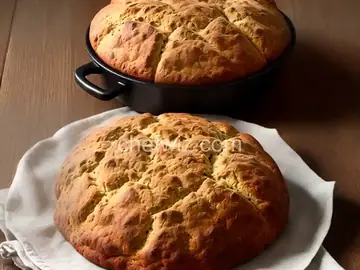
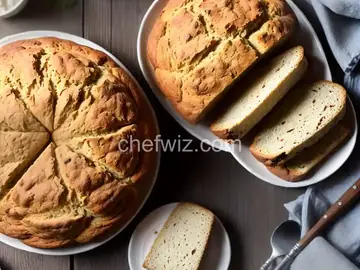
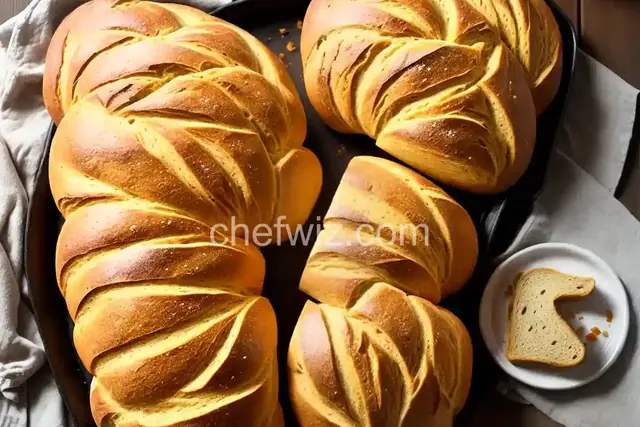
Pan de Muertos is typically shaped like a round loaf with a cross on top. It may also have dough "bones" arranged in a circular pattern or in the shape of a cross.
Pan de Muertos is sweet and slightly dense, with a hint of orange blossom water or anise flavoring. It is often sprinkled with sugar before baking.
Absolutely! There are many recipes available online that guide you through the process of making Pan de Muertos from scratch. It can be a fun and meaningful activity to do with family and friends.
While Pan de Muertos is traditionally baked during the Day of the Dead festivities, it can also be enjoyed throughout the year as a delicious sweet bread.
Yes, there are regional variations of Pan de Muertos across Mexico. Some may have different shapes, flavors, or additional ingredients, but they all share the common symbolism and significance.
Yes, Pan de Muertos can be frozen for later consumption. Just make sure to wrap it tightly in plastic wrap or place it in an airtight container before freezing.
Traditional Pan de Muertos is not gluten-free, as it is made with wheat flour. However, there are gluten-free versions available that use alternative flours, such as rice flour or almond flour.
AprilCook, recipe developer and the heart of Chefwiz. More about April