Pad Thai Noodles
Rate this recipeBe the first to rate
 By AprilPublished
 Welcome to the delicious world of Pad Thai noodles! If you're a fan of Thai cuisine, you're in for a treat.
 By AprilPublished
 Welcome to the delicious world of Pad Thai noodles! If you're a fan of Thai cuisine, you're in for a treat.
Place the noodles in a large bowl and pour hot water over them. Let them sit for about 10 minutes, until they become flexible but still firm. Then, drain the noodles.
Heat a wok or large skillet over medium-high heat until it becomes hot and starts to smoke. Add oil and heat it until it shimmers. Add peanuts and cook them while stirring until they become roasted (for about 1 to 2 minutes). Remove the peanuts from the wok.
Add chile peppers, shallot, and garlic to the oil. Cook and stir until the garlic starts to brown slightly (around 30 seconds). Add chicken and tofu and cook until the center is no longer pink and the juices run clear (for about 4 to 5 minutes).
Add the drained noodles to the wok and quickly stir to mix them in and prevent sticking. Combine sugar, tamarind paste (or 2 tablespoons white vinegar if tamarind paste is not available), fish sauce, and white pepper. Cook and stir constantly until the sauce thickens (for about 2 minutes).
Push the noodle mixture to one side of the wok and crack an egg into the empty space. Stir the egg until scrambled (for about 1 to 2 minutes) and then fold it into the noodles. Stir in the shrimp and cook until they turn opaque (for about 2 to 3 minutes).
Add the roasted peanuts,
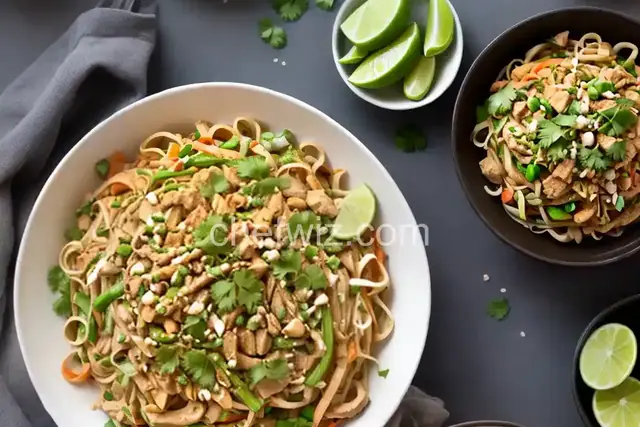
Welcome to the delicious world of Pad Thai noodles! If you're a fan of Thai cuisine, you're in for a treat. This iconic dish is a perfect blend of sweet, tangy, and savory flavors that will transport your taste buds to the bustling streets of Bangkok. Let's embark on a culinary adventure and uncover the secrets behind this mouthwatering delicacy.
Pad Thai noodles are unlike any other noodle dish you've ever tasted. The combination of fresh ingredients, aromatic herbs, and the unique blend of flavors make it a truly unforgettable experience. Imagine slurping on tender noodles, perfectly cooked shrimp or chicken, and a medley of crunchy bean sprouts and peanuts. It's a symphony of textures and tastes that will leave you craving for more.
What sets Pad Thai noodles apart from other dishes is the delicate balance of flavors. The sweetness of palm sugar, the tanginess of tamarind, and the umami notes of fish sauce come together to create a harmonious taste that will tantalize your taste buds. This signature sauce is what gives Pad Thai its distinct flavor profile.
Pad Thai noodles are all about freshness. The vibrant colors of the vegetables, the aroma of the herbs, and the zing of lime juice all contribute to the overall experience. Thai cuisine is known for its use of fresh ingredients, and Pad Thai is no exception. Each bite is a burst of freshness that will transport you to the bustling markets of Thailand.
Creating the perfect Pad Thai noodles requires skill and precision. The noodles need to be cooked just right, not too soft and not too firm. The ingredients need to be sautéed at the right temperature to retain their crunchiness. And let's not forget the garnishes – a squeeze of lime, a sprinkle of chopped peanuts, and a handful of fresh cilantro take this dish to a whole new level.
The type of noodles used in Pad Thai is crucial. Traditionally, thin rice noodles are used, which have a delicate texture that complements the other ingredients. These noodles soak up the flavors of the sauce and create a satisfying chewiness that will keep you coming back for more.
One of the beauties of Pad Thai noodles is its versatility. You can customize the dish to suit your preferences. Add extra veggies for a healthier twist, or spice it up with some chili flakes if you like a bit of heat. Whether you're a seafood lover or a vegetarian, Pad Thai noodles can be tailored to your taste.
Absolutely! Pad Thai noodles can be made with just vegetables or tofu for a vegetarian option. The sauce and other ingredients still create a delicious dish even without meat or seafood.
While rice noodles are the traditional choice, you can experiment with other types of noodles like egg noodles or even spaghetti. Each will bring a unique twist to the dish.
Pad Thai noodles are typically not spicy, but you can add chili flakes or chili sauce if you prefer a spicy kick. It's all about personal preference!
Yes, you can use gluten-free soy sauce or tamari instead of regular soy sauce to make the dish gluten-free. Rice noodles are naturally gluten-free.
Using authentic Thai ingredients like tamarind paste, palm sugar, and fish sauce is key to achieving the true flavors of Pad Thai. These ingredients can be found in most Asian grocery stores.
While Pad Thai noodles are best enjoyed fresh, you can make the sauce and prep the ingredients ahead of time for convenience. Just cook the noodles and assemble the dish when you're ready to serve.
Some popular variations include adding pineapple for a sweet and tangy twist, or using different proteins like beef, pork, or even tofu. Get creative and make it your own!
It's best to enjoy Pad Thai noodles fresh, as freezing can affect the texture and flavor of the dish. However, if you do have leftovers, you can store them in the refrigerator for up to 2 days.
In conclusion, Pad Thai noodles are a culinary delight that will transport you to the vibrant streets of Thailand. With its perfect balance of flavors, burst of freshness, and customizable nature, it's no wonder this dish has gained worldwide popularity. So why not embark on your own Pad Thai adventure and savor the flavors of this iconic Thai dish?
AprilCook, recipe developer and the heart of Chefwiz. More about April