Pad Se Eew
Rate this recipeBe the first to rate
 By AprilPublished
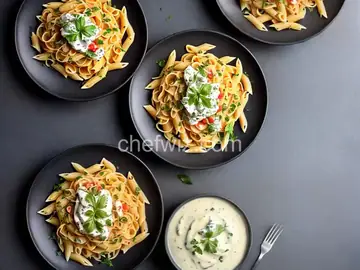
 Have you ever tried Pad Se Eew? If not, you're missing out on a delicious Thai noodle dish that will tantalize your taste buds.
 By AprilPublished
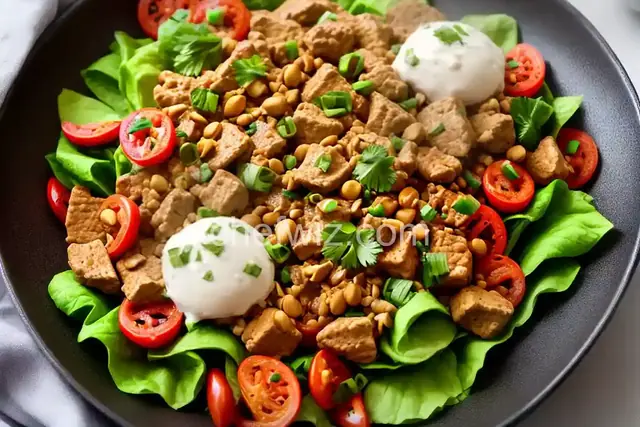
 Have you ever tried Pad Se Eew? If not, you're missing out on a delicious Thai noodle dish that will tantalize your taste buds.
- In a small saucepan, combine the dark soy sauce, soy sauce, sugar, and chile-garlic sauce. Stir them together and place the saucepan over medium-low heat. Simmer and stir until the sugar dissolves into the sauce, which should take around 5 minutes. Remove the saucepan from the heat and set it aside.
- In a skillet, heat the olive oil over medium heat. Add the garlic and chicken to the hot oil. Cook and stir until the chicken is no longer pink in the center, which should take around 7 to 10 minutes.
- Stir the broccoli into the chicken mixture and continue cooking and stirring until the broccoli is heated through.
- Add the noodles to the skillet and stir until all the ingredients are well mixed.
- Pour the sauce over the mixture in the skillet and stir until everything is evenly coated. Continue cooking until the sauce starts to thicken.
- Push the chicken mixture to one side of the skillet using a spatula.
- In the empty space, add the egg to the skillet. Scramble the egg, ensuring it is cooked through.
- Once the egg is cooked, mix all the ingredients back together in the skillet and heat everything thoroughly.
- To serve, garnish with sesame seeds and red pepper flakes.
Have you ever tried Pad Se Eew? If not, you're missing out on a delicious Thai noodle dish that will tantalize your taste buds. This mouthwatering dish is a perfect blend of flavors and textures, making it a favorite among Thai food lovers. In this article, we'll explore the origins of Pad Se Eew, its ingredients, and how to make it at home. So, let's dive in!
Pad Se Eew, also known as Pad See Ew, is a popular stir-fried noodle dish that originated in Thailand. It is often made with wide rice noodles, which give the dish its distinctive chewy texture. The name "Pad Se Eew" translates to "fried soy sauce," reflecting the dish's main flavor profile.
This delectable dish is believed to have Chinese origins, similar to many other Thai dishes. The Chinese influence is evident in the use of soy sauce, which is a staple in Chinese cooking. Over time, Pad Se Eew has become a beloved Thai street food and is now enjoyed worldwide.
Now, let's talk about the key ingredients that make Pad Se Eew so incredibly delicious. The star of the dish is, of course, the wide rice noodles. These noodles are soft, chewy, and absorb the flavors of the sauce beautifully.
Other essential ingredients include dark soy sauce, which gives the dish its rich and savory flavor. Light soy sauce adds a touch of saltiness, while oyster sauce provides a hint of sweetness. The dish is typically prepared with Chinese broccoli, which adds a refreshing and slightly bitter taste. Tender slices of meat, such as chicken, beef, or pork, are also added to make the dish more satisfying.
If you're craving Pad Se Eew and want to enjoy it in the comfort of your own home, here's a simple recipe to get you started:
And there you have it, a delicious plate of homemade Pad Se Eew that will rival any Thai restaurant!
Pad Se Eew is a Thai noodle dish that has captured the hearts and taste buds of food enthusiasts worldwide. Its origins in Chinese cuisine, combined with Thai flavors, create a unique and delightful culinary experience. By following a simple recipe and using the right ingredients, you can recreate this flavorful dish at home. So, why wait? Grab your wok and start cooking up some Pad Se Eew!
No, Pad Se Eew is not typically spicy. However, you can add some chili flakes or chili sauce if you prefer a bit of heat.
Yes, you can substitute Chinese broccoli with other leafy greens like bok choy or kale.
Absolutely! Pad Se Eew can be made vegetarian by omitting the meat and adding tofu or extra vegetables instead.
While wide rice noodles are traditional for Pad Se Eew, you can experiment with other types of noodles like egg noodles or even spaghetti.
To make Pad Se Eew gluten-free, ensure that you use gluten-free soy sauce and oyster sauce. Also, check the packaging of the wide rice noodles to ensure they are gluten-free.
If you love Pad Se Eew, you might also enjoy other popular Thai dishes like Pad Thai, Green Curry, or Tom Yum Soup.
Pad Se Eew is best enjoyed fresh and may not freeze well due to the texture of the noodles. It's recommended to prepare it fresh whenever possible.
Common garnishes for Pad Se Eew include fresh cilantro, chopped green onions, and a squeeze of lime juice.
AprilCook, recipe developer and the heart of Chefwiz. More about April