Pad Kee Mao
Rate this recipeBe the first to rate
 By AprilPublished
 Have you ever craved a dish that combines bold flavors, a hint of spice, and a touch of intoxication?
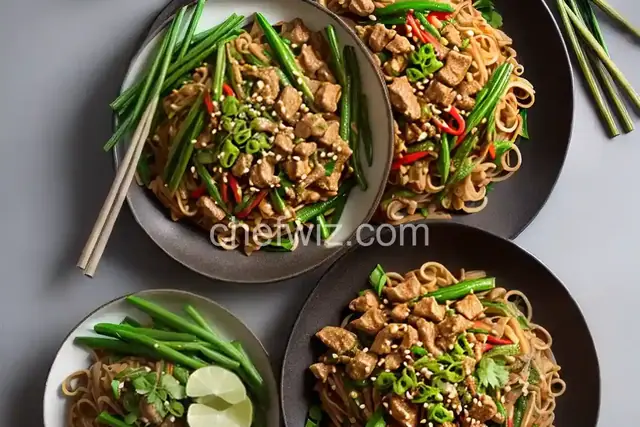 By AprilPublished
 Have you ever craved a dish that combines bold flavors, a hint of spice, and a touch of intoxication?
Place the dry rice noodles in a bowl.
Cover the noodles with hot water and let them soak for approximately 1 hour or until they become white and softened.
Drain the noodles and set them aside.
In a wok or large skillet, heat 1 1/2 teaspoons of olive oil over low heat.
Add 2 minced garlic cloves to the heated oil and cook and stir until they turn brown and begin to crisp, which should take around 2 to 3 minutes.
Stir in the soaked noodles, 1/2 teaspoon of thick soy sauce, and 2 teaspoons of sugar.
Cook and stir the mixture until the noodles have absorbed the soy sauce and turned brown, which should take approximately 3 minutes.
Remove the noodles from the skillet.
Heat the remaining 1 1/2 teaspoons of olive oil in the wok over low heat.
Stir in the remaining 2 minced garlic cloves and cook until they turn brown and begin to crisp, which should take around 2 to 3 minutes.
Increase the heat to medium-high and stir in the pork, serrano pepper, basil, 1/2 teaspoon of thick soy sauce, 1 teaspoon of sugar, and salt.
Cook and stir the mixture until the pork is no longer pink and the edges of the meat are starting to brown, which should take approximately 5 minutes.
Return the
Have you ever craved a dish that combines bold flavors, a hint of spice, and a touch of intoxication? Look no further than Pad Kee Mao, also known as Drunken Noodles. This Thai street food favorite has captured the hearts and palates of food lovers around the world. In this article, we will dive into the origins and flavors of Pad Kee Mao, and discover why it has become a go-to dish for those seeking a fiery culinary adventure.
Pad Kee Mao, which literally translates to "drunkard's stir-fry," is said to have originated in the bustling streets of Thailand. Legend has it that after a night of revelry, a hungry drunkard stumbled into a local street food stall and requested a dish that would satisfy his craving. The result was a stir-fried noodle dish that combined wide rice noodles, fresh vegetables, aromatic herbs, and a generous amount of chili.
Over time, Pad Kee Mao gained popularity not only among late-night partygoers but also with locals and tourists alike. Its unique blend of flavors and its ability to cure even the most stubborn hangovers made it a staple in Thai cuisine.
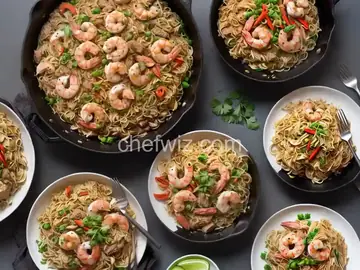
Pad Kee Mao is a dish that tantalizes the taste buds with its explosive flavors. The combination of savory, spicy, and slightly sweet notes creates a harmonious symphony on the palate. The wide rice noodles, soaked in a rich soy-based sauce, are the perfect canvas for a medley of fresh vegetables, succulent meats or seafood, and a fiery kick of chili.
Imagine biting into tender slices of beef or succulent shrimp, coated in a sauce that dances between the sweet and the spicy. The crispness of bell peppers, the freshness of Thai basil, and the earthiness of garlic blend together to create a flavor profile that is both satisfying and addictive.
Creating the perfect Pad Kee Mao is an art that requires precision and finesse. It starts with selecting the right ingredients, ensuring that they are fresh and vibrant. The wide rice noodles, also known as "sen yai," should be cooked to perfection – tender yet firm to the bite.
The sauce is the heart and soul of Pad Kee Mao. A combination of soy sauce, oyster sauce, fish sauce, and a touch of sweetness from sugar creates a flavor base that brings the dish to life. The chili, whether in the form of fresh Thai bird's eye chili or dried chili flakes, adds the necessary heat and kick.
The cooking process is fast and furious, just like a drunken dance. The ingredients are stir-fried in a scorching hot wok, allowing the flavors to meld together in a matter of minutes. The result is a steaming plate of Pad Kee Mao that is bursting with flavor and guaranteed to satisfy your craving.
Pad Kee Mao is more than just a dish; it is a culinary adventure that takes you on a journey through the vibrant streets of Thailand. With each bite, you can taste the essence of Thai cuisine – the boldness, the spice, and the intoxicating flavors.
So, the next time you find yourself craving a dish that combines the fiery flavors of Thai cuisine with a touch of intoxication, give Pad Kee Mao a try. Whether you're a spice lover or someone looking to embark on a culinary adventure, this Thai street food favorite will not disappoint.
Yes, Pad Kee Mao is known for its spicy kick. The amount of chili can be adjusted according to your preference, but it is traditionally a fiery dish.
Absolutely! Pad Kee Mao can be easily adapted to a vegetarian or vegan diet. Simply omit the meat or seafood and load up on fresh vegetables and tofu for a delicious plant-based version.
Wide rice noodles, also known as "sen yai," can be found in most Asian grocery stores or online. They are an essential ingredient for an authentic Pad Kee Mao.
While wide rice noodles are traditional for Pad Kee Mao, you can experiment with other types of noodles, such as udon or soba noodles, for a unique twist on the dish.
Pad Kee Mao is a versatile dish that can be customized to suit your taste. Some popular variations include adding additional vegetables, using different types of protein, or adjusting the level of spiciness.
The traditional Pad Kee Mao sauce contains soy sauce, which typically contains gluten. However, you can easily make a gluten-free version by using tamari or a gluten-free soy sauce substitute.
Pad Kee Mao is best enjoyed fresh off the stove, as the flavors and textures are at their peak. However, you can prepare the ingredients ahead of time and stir-fry them just before serving for a quick and convenient meal.
Pad Kee Mao is a complete meal in itself but can be accompanied by a variety of side dishes. Some popular choices include Thai spring rolls, papaya salad, or a refreshing cucumber salad.
In conclusion, Pad Kee Mao is a dish that combines the bold flavors of Thai cuisine with a touch of intoxication. Its origins and fiery flavors have made it a beloved street food favorite. Whether you're a spice lover or a culinary adventurer, Pad Kee Mao is sure to satisfy your cravings and take you on a journey through the vibrant streets of Thailand.
AprilCook, recipe developer and the heart of Chefwiz. More about April