Ostkaka (Swedish Cheesecake)
Rate this recipeBe the first to rate
 By AprilPublished
 When it comes to indulging in delicious desserts, cheesecake is often at the top of everyone's list.
 By AprilPublished
 When it comes to indulging in delicious desserts, cheesecake is often at the top of everyone's list.
Combine 1 cup of cold milk and 3/4 cup of flour in a bowl, stirring until a soft paste forms. Set aside.
Dissolve 1/2 tablet of rennet in water. Set aside.
Heat the remaining milk in a large pot until lukewarm, between 98 to 102 degrees F (36 to 39 degrees C). Remove from heat and add the soft paste mixture and dissolved rennet. Stir well and cover the pot. Let the mixture stand for about 1 hour, or until it becomes firm.
Gently break up the milk mixture and remove the whey, making sure not to make the curd too dry or break it up too much.
Preheat the oven to 400 degrees F (200 degrees C) and grease a 9x13-inch baking dish with 1 teaspoon of butter.
In a separate bowl, mix together eggs, sugar, and whipping cream. Add this cream mixture to the strained curd and mix well. Pour the combined mixture into the prepared baking dish and spread it out evenly.
Bake in the preheated oven for 30 minutes, then reduce the heat to 325 degrees F (165 degrees C) and continue to cook for an additional 30 minutes, or until the top is set and browned. Allow it to cool before serving, and store in the refrigerator.
Take caution while removing the whey to
When it comes to indulging in delicious desserts, cheesecake is often at the top of everyone's list. But have you ever tried a Swedish cheesecake called Ostkaka? If not, you're in for a treat! In this article, we'll take a closer look at this delightful dessert and discover what makes it so unique and tempting.
Ostkaka, which literally translates to "cheesecake" in Swedish, is a traditional dessert that has been enjoyed by generations of Swedes. It is believed to have originated in the province of Småland in southern Sweden, where it was first made using leftover milk and rennet, a natural enzyme used to curdle milk.
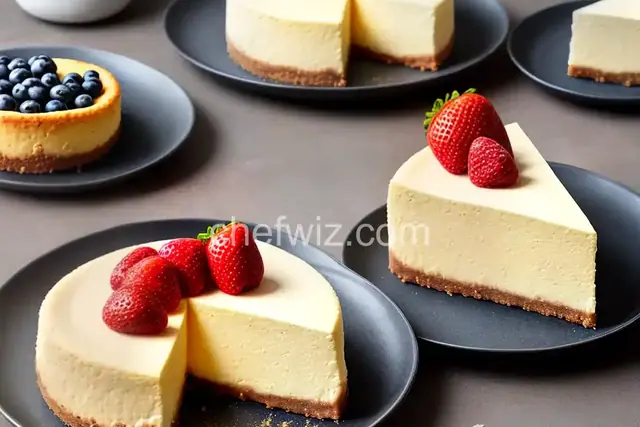
What sets Ostkaka apart from other cheesecakes is its distinct texture and flavor. While traditional cheesecakes are typically creamy and dense, Ostkaka has a light and delicate consistency, almost resembling a custard. It is often flavored with a hint of almond and served with a dollop of lingonberry jam or whipped cream.
The process of making Ostkaka starts with curdling milk using rennet, which results in the formation of curds. These curds are then gently cooked with the addition of cream, sugar, eggs, and almond extract. The mixture is baked in the oven until it sets and develops a beautiful golden-brown crust.
As Ostkaka bakes, the curds transform into a smooth and luscious custard-like texture, creating a heavenly dessert that melts in your mouth. The combination of the lightness of the custard and the richness of the almonds makes Ostkaka an absolute delight for your taste buds.
One of the great things about Ostkaka is its versatility. While it's commonly enjoyed on its own or with a dollop of lingonberry jam or whipped cream, it can also be paired with a variety of other toppings and accompaniments. Some people enjoy it with fresh berries, while others prefer a drizzle of caramel or chocolate sauce.
Whether you're celebrating a special occasion or simply craving a sweet treat, Ostkaka is sure to impress. Its unique blend of flavors and textures makes it a dessert that stands out from the crowd. Plus, its beautiful presentation makes it a feast for the eyes as well.
Ostkaka is best served chilled, either on its own or with a dollop of lingonberry jam or whipped cream.
Yes, you can omit the almond extract if you prefer a plain Ostkaka. However, the almond flavor adds a delightful touch to the dessert.
Absolutely! Lingonberry jam is the traditional accompaniment for Ostkaka, but you can experiment with other fruits like strawberries or raspberries.
Ostkaka can be kept in the refrigerator for up to 3-4 days. Just make sure to store it in an airtight container to maintain its freshness.
Yes, you can freeze Ostkaka. Wrap it tightly in plastic wrap or place it in an airtight container before freezing. Thaw it in the refrigerator before serving.
Yes, Ostkaka is naturally gluten-free as it doesn't contain any wheat or flour. However, always check the ingredients to ensure there are no hidden sources of gluten.
Eggs play a crucial role in giving Ostkaka its custard-like texture. While it may be possible to make an eggless version, it may not have the same consistency.
Ostkaka is unique in its own way. Unlike traditional cheesecakes, Ostkaka has a light and delicate texture, almost resembling a custard. It's a delightful twist on the classic cheesecake.
In conclusion, Ostkaka is a delightful Swedish cheesecake that is sure to delight your taste buds. Its unique texture and flavor make it stand out from other cheesecakes, and its versatility allows for endless possibilities when it comes to serving and pairing. So why not give Ostkaka a try and experience a slice of Swedish tradition?
AprilCook, recipe developer and the heart of Chefwiz. More about April