Olive Oil Poached Salmon
Rate this recipeBe the first to rate
 By AprilPublished
 Are you looking for a new and exciting way to prepare salmon?
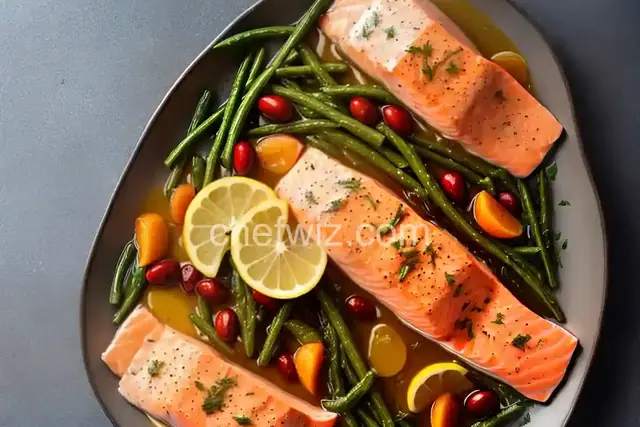 By AprilPublished
 Are you looking for a new and exciting way to prepare salmon?
Gather the garlic, thyme, lemon zest, coriander, and bay leaves and place them in a cheesecloth. Tie the cheesecloth to create a sachet.
Take a large saute pan with straight sides and pour in the oil. Add the sachet to the pan.
Heat the pan to medium heat and let the ingredients simmer for 15 minutes.
Allow the salmon to reach room temperature and generously season it with salt.
Place the salmon fillets into the pan with the olive oil.
Let the fish cook in the oil for 15 to 17 minutes.
Use a fish spatula to carefully remove the salmon from the oil and transfer it to a plate.
Serve the salmon.
Are you looking for a new and exciting way to prepare salmon? Look no further than olive oil poaching! This cooking technique creates a tender and moist fish that is bursting with flavor. In this article, we'll dive into the world of olive oil poached salmon, exploring its benefits, tips for preparation, and answering some frequently asked questions.
Olive oil poaching is a gentle cooking method that involves submerging the salmon fillets in warm olive oil. This slow and low temperature cooking allows the fish to cook evenly without drying out. The result is a buttery texture and rich flavor that will leave you craving more.
But why use olive oil? Besides being a healthier alternative to other cooking oils, olive oil adds a unique depth of flavor to the salmon. It infuses the fish with its fruity and aromatic notes, elevating the taste to a whole new level.
Now that you're enticed by the idea of olive oil poached salmon, let's explore some tips for preparing this delectable dish:
When it comes to olive oil poaching, quality matters. Opt for a high-quality extra virgin olive oil to ensure the best flavor. Look for oils labeled as "cold-pressed" and "first-pressed" for superior taste and aroma.
While the olive oil infuses the salmon with flavor, seasoning is still important. Before poaching, season the fillets with salt, pepper, and your choice of herbs or spices. This will enhance the overall taste and add a delicious aroma.
One of the most crucial aspects of olive oil poaching is maintaining the right temperature. Keep the heat low, around 120-140°F (50-60°C), to ensure gentle cooking. This slow cooking process allows the flavors to meld together and keeps the fish tender.
Olive oil poaching takes time, but the results are well worth it. Allow the salmon to cook for about 20-30 minutes, depending on the thickness of the fillets. This patience will reward you with moist and succulent fish.
Olive oil poached salmon is a culinary masterpiece that combines the delicate flavors of the fish with the richness of olive oil. By following the tips mentioned above, you can create a dish that is not only healthy but also incredibly delicious. So, why not give olive oil poached salmon a try and experience the wonders of this cooking technique for yourself?
A1: Yes, you can reuse the olive oil for cooking other dishes. Strain it through a fine-mesh sieve to remove any fish particles and store it in a sealed container in the refrigerator.
A2: Yes, you can use frozen salmon for this cooking method. Just make sure to thaw it completely before poaching to ensure even cooking.
A3: Absolutely! You can infuse the olive oil with garlic, lemon zest, or herbs like thyme or rosemary to enhance the taste of the salmon.
A4: Yes, olive oil poached salmon is incredibly versatile. You can flake it and add it to salads, sandwiches, or even pasta dishes for a burst of flavor.
A5: While olive oil poached salmon is popular, you can certainly experiment with other types of fish like cod, halibut, or trout. Adjust the cooking time based on the thickness of the fillets.
A6: Yes, you can use flavored olive oil for added complexity. Try using infused olive oils like chili, garlic, or lemon to create a unique flavor profile.
A7: Yes, olive oil poached salmon is a healthy cooking method. It preserves the nutrients and omega-3 fatty acids in the fish while adding the health benefits of olive oil.
A8: Yes, you can freeze the cooked salmon for later use. Allow it to cool completely, then store it in an airtight container or freezer bag. Thaw it in the refrigerator before reheating or using it in recipes.
AprilCook, recipe developer and the heart of Chefwiz. More about April