Noodle Paella
Rate this recipeBe the first to rate
 By AprilPublished
 Are you a fan of both Spanish paella and Asian noodles? If so, then you're in for a treat!
 By AprilPublished
 Are you a fan of both Spanish paella and Asian noodles? If so, then you're in for a treat!
Heat the oil in a 6-quart Dutch oven over medium-high heat.
Add the sausages and stir, using a wooden spoon to break them up into small pieces. Cook until the sausages are fully cooked, which takes about 4 minutes.
Add the chicken, 1/4 teaspoon salt, and pepper. Cook until the chicken is no longer pink on the outside, which should take about 1 to 2 minutes.
Using a slotted spoon, transfer the cooked chicken and sausage to a medium bowl.
In the same pan, add the garlic, fennel, onion, bell pepper, and 1/2 teaspoon salt and pepper. Cook until these vegetables are almost tender, which should take about 5 minutes.
Add the clam juice, tomatoes with juices, paprika, saffron, cayenne, and bay leaves to the pan.
Add the spaghetti to the pan and cook, uncovered, until it is almost tender. Stir occasionally during this process, which should take about 9 minutes.
Return the cooked chicken and sausage to the pan. Bring the sauce to a simmer and add 1/4 teaspoon salt and pepper.
Add the halibut, clams, and shrimp to the pan. Cover and cook until the clams open, which should take about 4 to 5 minutes. Discard any clams that do not open.
10
Are you a fan of both Spanish paella and Asian noodles? If so, then you're in for a treat! Imagine the delicious flavors of saffron-infused rice, succulent seafood, and aromatic spices, combined with the slurp-worthy goodness of noodles. This is what noodle paella brings to the table – a fusion delight that will tantalize your taste buds.
Just like a harmonious duet, noodle paella combines the best of both worlds. The traditional paella, originating from Valencia, Spain, is known for its vibrant colors and rich flavors. It typically includes ingredients like saffron, bomba rice, bell peppers, tomatoes, and a variety of seafood or meat.
On the other hand, Asian noodles are beloved for their versatility and ability to absorb flavors. They come in different shapes and sizes, offering a wide range of textures. Pairing these noodles with the authentic flavors of paella creates a unique and mouthwatering experience.
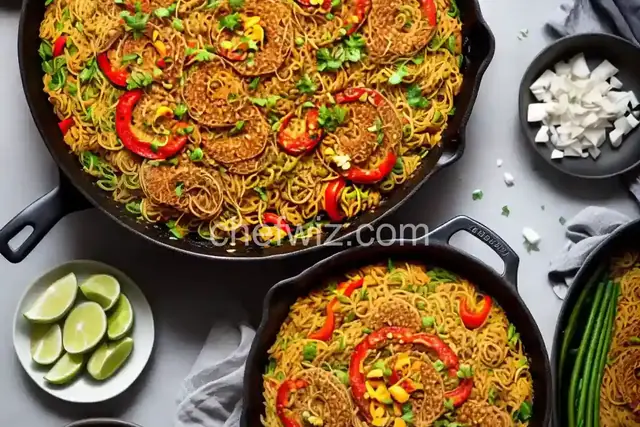
One of the joys of noodle paella is the burst of colors and textures it brings to your plate. The vibrant yellow of saffron-infused rice, the bright red of bell peppers, and the juicy pink of prawns create an enticing visual appeal. The combination of tender noodles and perfectly cooked seafood adds a delightful contrast in textures.
Just like a painter's palette, noodle paella allows you to savor a symphony of flavors and textures in every bite. The savory umami from the seafood, the slight tanginess from the tomatoes, and the fragrant aroma of saffron all come together to create a truly unforgettable dish.
Noodle paella is not limited to a single recipe or set of ingredients. It opens the door to endless possibilities and allows you to get creative in the kitchen. You can customize your noodle paella to suit your taste preferences and dietary restrictions.
For instance, if you're a fan of spicy food, you can add a touch of heat with some chili flakes or hot sauce. If you prefer a vegetarian version, you can replace the seafood with a medley of colorful vegetables. The beauty of noodle paella lies in its adaptability, making it a versatile dish for any occasion.
1. Is noodle paella difficult to make?
Not at all! With the right ingredients and a good recipe, noodle paella can be easily prepared in the comfort of your own kitchen.
2. Can I use any type of noodles for noodle paella?
Absolutely! You can use a variety of noodles such as vermicelli, udon, or even spaghetti, depending on your preference.
3. What are some popular variations of noodle paella?
Some popular variations include seafood noodle paella, chicken and chorizo noodle paella, and vegetarian noodle paella.
4. Can I substitute saffron with any other spice?
Saffron is a key ingredient in paella, as it imparts a unique flavor and vibrant color. However, if you can't find saffron, you can use turmeric as a substitute.
5. Can I make noodle paella ahead of time?
While noodle paella tastes best when freshly cooked, you can prepare some of the components in advance to save time.
6. Can I freeze leftover noodle paella?
Yes, you can freeze leftover noodle paella in an airtight container for up to three months. Just make sure to thaw it properly before reheating.
7. What side dishes go well with noodle paella?
Some popular side dishes to accompany noodle paella include garlic bread, green salad, or a refreshing cucumber and tomato salad.
8. Can noodle paella be made without seafood?
Absolutely! You can omit the seafood and replace it with chicken, beef, or a medley of vegetables to create a delicious non-seafood version.
Noodle paella is a culinary masterpiece that brings together the flavors and textures of Spanish paella and Asian noodles. It is a fusion delight that offers endless possibilities for customization. Whether you're a seafood lover or a vegetarian, noodle paella can be adapted to suit your taste preferences. So why not embark on a gastronomic adventure and indulge in the vibrant colors and exquisite flavors of noodle paella?
AprilCook, recipe developer and the heart of Chefwiz. More about April