No-Fail Pound Cake
Rate this recipeBe the first to rate
 By AprilPublished
 Have you ever tried baking a pound cake and ended up with a dense, dry, or sunken disaster?
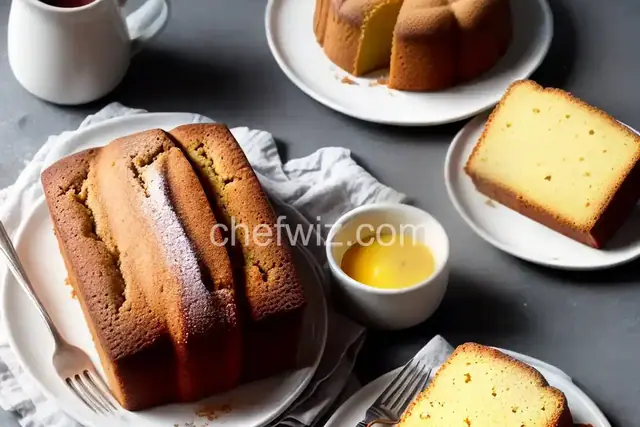 By AprilPublished
 Have you ever tried baking a pound cake and ended up with a dense, dry, or sunken disaster?
Gather all the necessary ingredients.
Preheat the oven to 350 degrees F (175 degrees C) and prepare a 10-inch Bundt pan by greasing and flouring it.
In a large bowl, use an electric mixer to cream together the sugar and butter until the mixture is light and fluffy.
Add the eggs one at a time, mixing well after each addition.
Stir in the vanilla and lemon extracts.
Beat in the sour cream and water.
Gradually add the cake mix and flour, mixing until everything is well incorporated.
Pour the batter into the prepared pan.
Bake in the preheated oven for 60 to 80 minutes, or until a toothpick inserted into the center of the cake comes out clean.
Allow the cake to cool in the pan for 10 minutes, then carefully transfer it onto a wire rack to cool completely.
Have you ever tried baking a pound cake and ended up with a dense, dry, or sunken disaster? Don't worry, you're not alone. Baking the perfect pound cake can be a challenge, but with a few simple tips and tricks, you can achieve a moist, tender, and delicious pound cake every time. In this article, we will explore the secrets to baking a no-fail pound cake that will impress your friends and family.
The key to a successful pound cake starts with high-quality ingredients. The butter should be unsalted and at room temperature, allowing it to cream properly with the sugar. The sugar should be granulated, and the eggs should be fresh. Using cake flour instead of all-purpose flour will result in a lighter texture. Don't forget to add a pinch of salt to enhance the flavors.
Creaming the butter and sugar together is a crucial step in pound cake baking. It creates air pockets that give the cake its light and fluffy texture. To achieve the perfect creaming, use an electric mixer and beat the butter and sugar together until light and creamy. This may take a few minutes, but it's worth the effort.
Pound cakes traditionally rely on the air trapped in the creamed butter and sugar mixture for leavening. However, adding a small amount of baking powder or baking soda can give your pound cake an extra lift. Just remember, a little goes a long way. Too much leavener can cause the cake to collapse.
Temperature plays a vital role in baking a no-fail pound cake. Make sure all your ingredients are at room temperature before you start. This will ensure that the butter and sugar cream properly and that the cake bakes evenly. Also, avoid opening the oven door too often during baking, as this can cause the cake to sink in the middle.
When it comes to baking a pound cake, patience is key. Avoid the temptation to open the oven door too early, as this can cause the cake to collapse. Instead, rely on visual cues to determine if your cake is done. The top should be golden brown, and a toothpick inserted into the center should come out clean or with a few crumbs clinging to it.
Once your pound cake is done baking, resist the urge to dive right in. Let it cool in the pan for about 10 minutes before transferring it to a wire rack to cool completely. This will allow the cake to set and prevent it from breaking apart.
With these tips and tricks, you can confidently bake a no-fail pound cake that will leave your taste buds craving for more. Remember to choose high-quality ingredients, master the art of creaming, use leaveners wisely, pay attention to temperature, be patient, and let the cake cool properly. So, what are you waiting for? It's time to put on your apron and start baking!
A dry pound cake could be due to overbaking or using too much flour. Make sure to follow the recipe's instructions and measure the flour accurately.
To prevent your pound cake from sinking, avoid opening the oven door too often during baking. Also, make sure your leaveners are fresh and not expired.
While you can substitute butter with margarine, keep in mind that the texture and flavor of the pound cake may be slightly different.
Yes, you can freeze a pound cake. Wrap it tightly in plastic wrap or aluminum foil and place it in a freezer-safe bag. Thaw it at room temperature when ready to enjoy.
A pound cake can be stored at room temperature for up to three days. If you want to keep it longer, refrigerate it for up to a week.
Yes, you can add flavorings like vanilla extract, almond extract, or citrus zest to enhance the taste of your pound cake.
Using a different pan size may affect the baking time and texture of the pound cake. It's best to stick to the pan size specified in the recipe.
Eggs are an essential ingredient in a pound cake as they contribute to its structure and texture. It's not recommended to make a pound cake without eggs.
AprilCook, recipe developer and the heart of Chefwiz. More about April