Nigiri Sushi
Rate this recipeBe the first to rate
 By AprilPublished
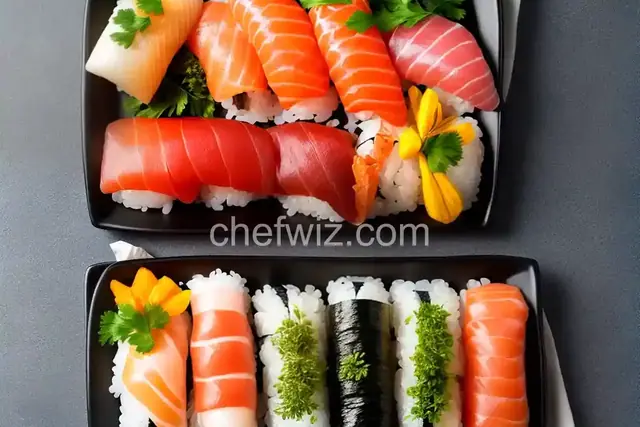
 Are you a fan of Japanese cuisine? If so, you've probably come across nigiri sushi, one of the most popular and beloved dishes in Japan and around the world.
 By AprilPublished
 Are you a fan of Japanese cuisine? If so, you've probably come across nigiri sushi, one of the most popular and beloved dishes in Japan and around the world.
Rinse the rice with water until the water runs clear.
Drain the rice in a colander and let it sit for 30 minutes.
Transfer the rice to a pot or rice cooker, and add 4 cups of water (or follow the rice cooker's instructions).
Bring the water to a boil, then reduce the heat to simmer and cover the pot.
Cook the rice for 15 minutes.
Remove the cover, place a damp towel over the rice, and let it cool for 10 minutes.
You can either buy pre-made sushi vinegar or make it yourself by heating vinegar, sugar, and salt in a pan until the sugar and salt dissolve. Adjust the sweetness to your liking by adding more sugar if desired.
Pour the sushi vinegar over the cooked rice and gently mix it in. You can do this in a wooden bowl specifically for making sushi rice, or in the rice cooker by turning off the cooker, pouring in the vinegar, and mixing gently and evenly. Leave the lid open and let the rice cool to room temperature.
Purchase fresh fish from a fish market or Japanese grocery store, ensuring that it is suitable for raw consumption by asking the clerk. Only buy sushi-grade fish.
For salmon, cover the fish with salt and let it sit for 1 hour. Rinse off the salt and put the fish in the freezer. Once frozen, defrost and use for sushi.
11.
Are you a fan of Japanese cuisine? If so, you've probably come across nigiri sushi, one of the most popular and beloved dishes in Japan and around the world. With its fresh and flavorful ingredients, nigiri sushi offers a delightful culinary experience that is hard to resist. Let's dive into the world of nigiri sushi and explore why it has captured the hearts and taste buds of so many food enthusiasts.
Nigiri sushi is a true work of art. It consists of a small mound of vinegared rice, called shari, topped with a thin slice of fresh fish or seafood, known as neta. The balance between the rice and the topping is crucial, as it allows the flavors to harmonize and create a perfect bite. The skilled hands of sushi chefs delicately shape each piece, ensuring that it is both visually appealing and delicious.
When it comes to nigiri sushi, freshness is of utmost importance. The fish or seafood used for the topping should be of the highest quality and ideally served within a few hours of being caught. This ensures that the flavors are at their peak and that the texture is buttery and tender. The best sushi chefs have a deep understanding of the ingredients they work with and know how to source the freshest seafood available.
Each bite of nigiri sushi is like a symphony of flavors. The vinegared rice provides a subtle tanginess that complements the natural sweetness of the fish or seafood. The texture of the rice, with its slightly sticky consistency, adds a pleasant mouthfeel. The topping, whether it's a delicate slice of fatty tuna or a succulent shrimp, brings its own unique taste and texture to the ensemble. When all these elements come together, it's a taste sensation like no other.
Just like any other culinary tradition, nigiri sushi has its own set of etiquette rules. When dining at a sushi bar or restaurant, it's important to follow these customs to show respect for the chef and the artistry behind the dish.
While it's perfectly acceptable to eat nigiri sushi with your hands, using chopsticks is the traditional way. If you choose to use chopsticks, make sure to hold them correctly and avoid stabbing the sushi. Instead, gently pick it up and dip the fish side into soy sauce, not the rice side. This ensures that the flavors are balanced and the rice doesn't become overly saturated.
Nigiri sushi is meant to be eaten in one bite. This allows you to fully experience the combination of flavors and textures without losing any of the delicate elements. It also shows appreciation for the craftsmanship that went into creating each piece.
Nigiri sushi is not just a dish; it's a culinary experience that embodies the artistry and precision of Japanese cuisine. The combination of fresh ingredients, skilled craftsmanship, and harmonious flavors creates a sensory journey that captivates food enthusiasts worldwide. Whether you're a sushi aficionado or new to the world of nigiri sushi, take the plunge and savor the exquisite flavors that await you.
Nigiri sushi specifically refers to the hand-pressed sushi with a slice of fish or seafood on top. Other types of sushi, such as maki rolls or temaki, involve wrapping the rice and filling in seaweed or other ingredients.
While traditional nigiri sushi usually features popular toppings like tuna, salmon, or shrimp, some sushi restaurants may offer the option to customize your toppings. Feel free to ask the chef for recommendations or try something new!
When prepared and handled properly, nigiri sushi is safe to eat. It's essential to choose a reputable sushi restaurant that prioritizes food safety and follows strict hygiene practices.
Absolutely! While nigiri sushi traditionally features fish or seafood toppings, many sushi restaurants offer vegetarian options. You can find nigiri sushi with toppings like avocado, cucumber, or tamago (sweet Japanese omelette).
When dipping nigiri sushi into soy sauce, it's best to dip the fish side into the sauce, not the rice side. This allows the flavors to be balanced and prevents the rice from becoming too salty.
Nigiri sushi can be a versatile choice for those with dietary restrictions. If you have specific dietary needs, such as gluten-free or low-carb, you can discuss your preferences with the sushi chef, who may be able to accommodate them.
It's considered polite to trust the chef's expertise and not ask for extra wasabi or soy sauce. The chef has already carefully seasoned each piece, and adding more condiments might overpower the delicate flavors.
Look for a sushi restaurant with a good reputation, positive reviews, and a high turnover of customers. These indicators often suggest that the restaurant serves fresh, high-quality nigiri sushi.
AprilCook, recipe developer and the heart of Chefwiz. More about April