New Year's Soup
Rate this recipeBe the first to rate
 By AprilPublished
 As the New Year approaches, many cultures around the world have unique traditions to celebrate and welcome the arrival of a fresh start.
 By AprilPublished
 As the New Year approaches, many cultures around the world have unique traditions to celebrate and welcome the arrival of a fresh start.
Heat olive oil in a soup pot over medium heat.
Cook and stir garlic until it starts to brown, about 3 minutes.
Add onion and carrots to the pot and cook until the carrots begin to brown and the onion becomes translucent, approximately 7 to 8 minutes.
Stir in collard greens and cook until they are wilted, around 5 minutes.
Add black-eyed peas and vegetable broth to the pot and bring it to a boil.
Reduce the heat to low, cover the pot, and let it simmer for 20 to 25 minutes, or until the vegetables are softened.
In a separate medium saucepan, bring water and quinoa to a boil.
Reduce the heat to low, cover the saucepan, and let it simmer until all the water has been absorbed, which takes about 10 minutes.
Stir the cooked quinoa into the soup and continue simmering for an additional 10 minutes, or until the collard greens are tender.
Finally, add cider vinegar to the soup and season with salt and pepper.
As the New Year approaches, many cultures around the world have unique traditions to celebrate and welcome the arrival of a fresh start. In many households, a special dish takes center stage on New Year's Day - the New Year's soup. This hearty and flavorful soup not only warms the body but also symbolizes hope, prosperity, and unity for the year ahead.
Just like the New Year itself, this soup is filled with symbolism. From the choice of ingredients to the way it is prepared and enjoyed, every element has a deeper meaning.
Imagine a pot simmering on the stove, filling the air with the aroma of love and togetherness. The soup represents the coming together of family and friends, as it is often prepared and shared with loved ones. It's a reminder that unity and connection are essential for a fulfilling year ahead.
The ingredients in New Year's soup vary from culture to culture, but they all share a common theme - bringing luck and prosperity. It's like a culinary charm that ensures a bountiful year.
Some cultures include lentils in their New Year's soup, as these tiny legumes resemble coins and symbolize wealth and abundance. Others add leafy greens like kale or collard greens, which represent money and prosperity. The soup becomes a delicious reminder to embrace the opportunities that the New Year brings.
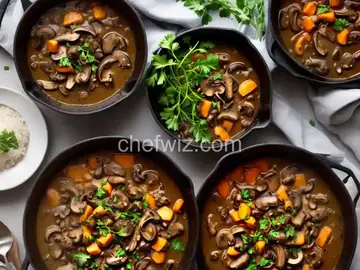
Aside from the symbolism, New Year's soup is simply delicious. It's a bowl of warmth and comfort that nourishes both the body and soul. The savory broth, the tender chunks of meat, and the medley of vegetables create a harmonious symphony of flavors.
Each bite is like a journey, with every ingredient contributing its unique essence to the overall experience. It's a reminder that life, like soup, is made up of many different elements that blend together to create something extraordinary.
One of the beautiful aspects of New Year's soup is the tradition that surrounds it. Families pass down recipes from generation to generation, ensuring that the flavors and customs remain alive.
As children gather around the table to savor the soup, they are not only nourishing their bodies but also connecting with their heritage. It's a way to honor the past, celebrate the present, and look forward to the future.
New Year's soup is more than just a delicious dish. It's a symbol of hope, unity, and prosperity. As you gather around the table with your loved ones, savoring each spoonful, take a moment to appreciate the traditions and connections that make this soup so special. Let it warm your heart and set the tone for a year filled with joy and abundance.
The history of New Year's soup dates back centuries, with each culture adding its own unique twist to the dish. It has become a way to celebrate and welcome the new year with hope and good fortune.
Common ingredients include lentils, leafy greens, root vegetables, and various types of meat. However, the specific ingredients can vary depending on the cultural background and personal preferences.
New Year's soup is typically prepared by simmering the ingredients together in a flavorful broth. The cooking process allows the flavors to meld together, creating a rich and satisfying dish.
Absolutely! There are plenty of vegetarian and vegan variations of New Year's soup that are just as delicious and symbolic. By omitting meat and using vegetable broth, everyone can partake in this festive tradition.
Some believe that you should eat at least one spoonful of New Year's soup at midnight to ensure good luck for the coming year. Others say that the first person to finish their bowl will have the most prosperous year ahead.
Yes, New Year's soup can be frozen for later enjoyment. Just make sure to store it in airtight containers or freezer bags to maintain its flavor and quality.
Feel free to experiment with different ingredients and flavors to create a personalized version of New Year's soup. Add spices, herbs, or other ingredients that hold special meaning to you and your family.
While New Year's soup is traditionally enjoyed on New Year's Day, there's no rule against savoring it throughout the year. Its comforting and symbolic nature makes it a delightful dish for any occasion.
AprilCook, recipe developer and the heart of Chefwiz. More about April