Nana's Fastnachts
Rate this recipeBe the first to rate
 By AprilPublished
 Have you ever tasted a piece of history? Imagine sinking your teeth into a warm, fluffy pastry that has been passed down through generations.
 By AprilPublished
 Have you ever tasted a piece of history? Imagine sinking your teeth into a warm, fluffy pastry that has been passed down through generations.
In a small bowl, combine warm water and yeast. Allow it to sit for approximately 10 minutes.
In a small saucepan, warm the milk until it starts to bubble. Remove from heat and let it cool down to lukewarm.
In a large bowl, mix 3 cups of flour and 1 teaspoon of sugar. Stir in the lukewarm milk until the mixture becomes smooth.
Add the yeast mixture to the bowl and mix well. Cover the bowl and let it rise until it doubles in size, which usually takes about 1 hour.
Stir in the beaten eggs, 1 cup of sugar, melted butter, and salt. Gradually incorporate enough of the remaining flour to form a stiff dough.
Cover the dough and let it rise for a second time until it doubles in size, which usually takes about 1 hour.
Punch down the dough and divide it into 2 equal portions.
On a lightly floured surface, roll out the dough to a thickness of 1/2 inch.
Use a biscuit cutter to cut out doughnuts from the rolled-out dough.
Make 2 slits in the middle of each doughnut using a sharp knife.
Cover the doughnuts and let them rise for a third time until they double in size, which usually takes about 1 hour.
Heat oil in a deep-fryer or large saucepan to a
Have you ever tasted a piece of history? Imagine sinking your teeth into a warm, fluffy pastry that has been passed down through generations. Nana's Fastnachts are a delightful treat that brings back memories of simpler times. These delicious treats, reminiscent of doughnuts, hold a special place in the hearts of many.
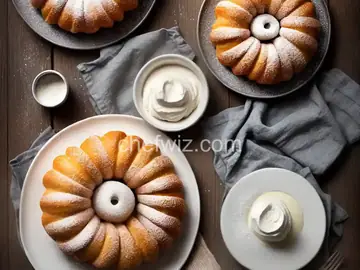
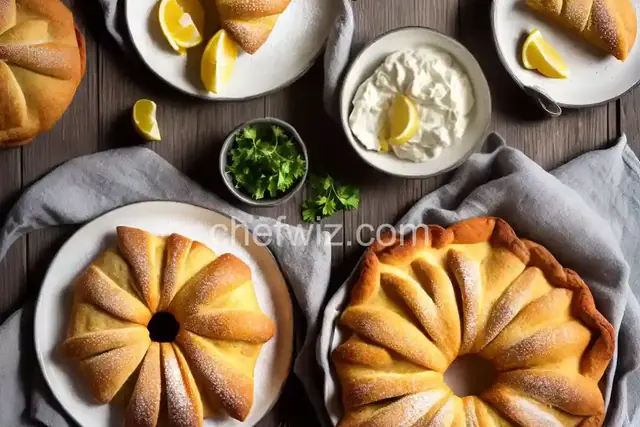
Fastnachts are a traditional German pastry, typically made and enjoyed during the carnival season. These delectable treats are fried until golden brown and then dusted with powdered sugar. They have a soft and doughy interior, with a slightly crispy exterior. Fastnachts are often enjoyed on Fastnacht Day, which falls on Shrove Tuesday, the day before the Christian season of Lent begins.
Fastnachts have a rich history that dates back centuries. The word "Fastnacht" itself translates to "fast night" in German, referring to the eve of the fasting period. These pastries were traditionally made to use up ingredients like sugar, eggs, and butter before the fasting season began. Fastnachts were a way to indulge before the period of self-restraint and abstinence.
Over time, Fastnachts became a beloved tradition in many German-speaking communities around the world. Families would gather together to make the dough and fry the pastries, passing down their recipes from one generation to the next. These treats became a symbol of togetherness and celebration.
What makes Nana's Fastnachts so special? It's all about the love and care that goes into making them. Nana's secret recipe includes a dash of nostalgia and a pinch of tradition. The dough is mixed with tender hands, allowing it to rise and develop its unique texture. The frying process requires just the right amount of heat and attention to achieve that perfect golden brown color.
The result is a Fastnacht that is soft, pillowy, and bursting with flavor. Each bite is like a warm hug from Nana herself. Whether enjoyed plain or dusted with powdered sugar, Nana's Fastnachts are a treat unlike any other.
As time goes on and traditions evolve, it's essential to keep the spirit of Nana's Fastnachts alive. Today, many families continue to gather in their kitchens, rolling out the dough and frying up these delectable pastries. The smell of warm oil and the laughter of loved ones fill the air, creating memories that will last a lifetime.
By sharing the recipe and the stories behind Nana's Fastnachts, we ensure that this delicious tradition lives on for future generations to enjoy. It's about more than just the taste; it's about the connection to our heritage and the joy of coming together.
Nana's Fastnachts are more than just a pastry; they are a taste of tradition and a connection to our heritage. These delectable treats bring families together, creating memories that last a lifetime. So, gather your loved ones, roll up your sleeves, and experience the joy of making and savoring Nana's Fastnachts. Let the warmth of these pastries fill your heart and bring a touch of history to your table.
Fastnachts are best enjoyed fresh, on the day they are made. However, if stored in an airtight container, they can stay fresh for up to two days.
Yes, Fastnachts can be frozen for later enjoyment. Place them in a freezer-safe container or bag, and they can be stored for up to three months. To reheat, simply thaw them at room temperature and warm them in the oven for a few minutes.
The key to achieving the perfect golden brown color is maintaining the right frying temperature. Too low, and the Fastnachts will be greasy and pale. Too high, and they will burn before cooking through. Aim for a temperature between 350-375°F (175-190°C) and adjust as needed.
While a deep fryer is ideal for achieving the perfect texture, Fastnachts can also be made using a large pot or Dutch oven. Just make sure to monitor the oil temperature closely and use a thermometer to ensure accuracy.
While Fastnacht Day is the traditional day for enjoying these pastries, they can be enjoyed throughout the carnival season. Many bakeries and communities offer Fastnachts in the weeks leading up to Lent.
Traditionally, Fastnachts are enjoyed plain or dusted with powdered sugar. However, some variations include filling the pastries with fruit preserves, cream, or other sweet fillings. Get creative and experiment with different flavors!
Traditional Fastnachts are not gluten-free, as they are made with wheat flour. However, there are gluten-free recipes available that use alternative flours. These versions may have a slightly different texture but can still be delicious.
Nana's Fastnacht recipe is a family secret, passed down through generations. However, there are many other delicious Fastnacht recipes available online and in cookbooks. Explore different variations and find the one that brings you the most joy!
AprilCook, recipe developer and the heart of Chefwiz. More about April