Namoora (Basboosa)
Rate this recipeBe the first to rate
 By AprilPublished
 Welcome to the world of Middle Eastern desserts! Have you ever tried Namoora, also known as Basboosa?
 By AprilPublished
 Welcome to the world of Middle Eastern desserts! Have you ever tried Namoora, also known as Basboosa?
Start by lining a 9x13-inch glass baking dish with aluminum foil and generously buttering the foil.
Spread an even layer of tahini over the bottom of the prepared pan.
In a bowl, mix together farina cereal, 1 1/2 cups of sugar, and baking powder.
Gently mix in the yogurt and 1 tablespoon of softened butter with your hands until the dough is smooth.
Spread the dough out into the prepared baking dish and pat the surface smooth.
Cover the dish with foil and let it stand at room temperature for 2 hours.
Use a sharp knife to cut the dough into 16 squares.
Gently press an almond half into the top of each square.
Preheat the oven to 400 degrees F (200 degrees C).
Bake the dessert in the preheated oven until it is set and the top is lightly golden brown, approximately 30 minutes.
While the dessert is baking, prepare the syrup. In a saucepan, combine 2 cups of sugar and water and bring to a boil over medium heat, stirring constantly to dissolve the sugar.
Stir in lemon juice and let the syrup boil for 5 minutes.
Stir in butter and orange flower water until well combined.
Pour the hot syrup over the dessert as soon as it comes out of the oven.
Allow the dessert to cool for 1
Welcome to the world of Middle Eastern desserts! Have you ever tried Namoora, also known as Basboosa? If not, you're in for a treat. This sweet delicacy is popular across the Middle East and will leave you craving for more. In this article, we'll explore the origins of Namoora, its unique flavors, and why it has become a beloved dessert in many households.
Imagine yourself being transported to the bustling streets of Egypt, Lebanon, or Syria. The aroma of freshly baked Namoora fills the air, drawing you towards the local bakeries. This delectable dessert has its roots in the Middle East and is believed to have originated in Egypt. It has since spread across the region, with each country adding its own unique twist to the recipe.
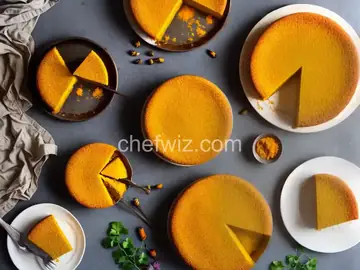
Namoora is made from a combination of semolina, sugar, and aromatic ingredients such as rose water or orange blossom water. These flavors create a harmonious balance that dances on your taste buds. The semolina gives it a delightful texture, while the sweetness is perfectly complemented by the floral notes. It's a dessert that brings together the best of both worlds - a treat for your senses.
Imagine biting into a piece of Namoora. The softness of the semolina, the burst of sweetness, and the lingering fragrance of the rose water or orange blossom water - it's like a symphony playing in your mouth. Each bite takes you on a journey, allowing you to savor every moment. It's no wonder that Namoora has become a staple in Middle Eastern cuisine.
What makes Namoora so special? It's not just the flavors, but also the memories associated with it. For many, Namoora is a dessert that brings back childhood memories of family gatherings, celebrations, and special occasions. It's a dessert that brings people together, creating moments of joy and happiness.
Moreover, Namoora is a dessert that can be enjoyed by everyone. Whether you have a sweet tooth or prefer milder flavors, Namoora caters to all taste preferences. It's a versatile dessert that can be served with a cup of tea or enjoyed on its own. The simplicity of the ingredients and the ease of preparation make it a favorite among home cooks as well.
1. Is Namoora gluten-free?
No, Namoora is not gluten-free as it is made with semolina, which is derived from wheat.
2. Can I substitute the semolina with another ingredient?
Semolina is a key ingredient in Namoora, and substituting it may alter the texture and taste. It's best to stick to the original recipe.
3. Can I use different flavors instead of rose water or orange blossom water?
Absolutely! Namoora can be customized with different flavors such as cardamom, almond extract, or even coconut. Get creative and experiment with your favorite flavors.
4. How long does Namoora stay fresh?
Namoora can be stored in an airtight container at room temperature for up to 3-4 days. It's best enjoyed fresh, but it can still be enjoyed even after a few days.
5. Can Namoora be frozen?
Yes, Namoora can be frozen. Wrap individual pieces tightly in plastic wrap or place them in a freezer-safe container. Thaw them in the refrigerator before serving.
6. Is Namoora a vegan dessert?
Namoora typically contains butter, which makes it non-vegan. However, you can experiment with vegan substitutes such as coconut oil or vegan butter for a plant-based version.
7. Can I add toppings to Namoora?
Absolutely! Namoora can be topped with nuts such as almonds or pistachios for added crunch and flavor. It adds a beautiful visual appeal as well.
8. Is Namoora served warm or cold?
Namoora can be served at room temperature or slightly warm. Some prefer it warm, while others enjoy it chilled. It's a matter of personal preference.
Namoora, also known as Basboosa, is a dessert that has won the hearts of many. Its origins in the Middle East, unique flavors, and versatility make it a beloved treat. Whether you're enjoying it at a family gathering or savoring it on a quiet evening, Namoora is sure to leave a lasting impression. So go ahead, indulge in this sweet delight and experience a taste of the Middle East.
AprilCook, recipe developer and the heart of Chefwiz. More about April