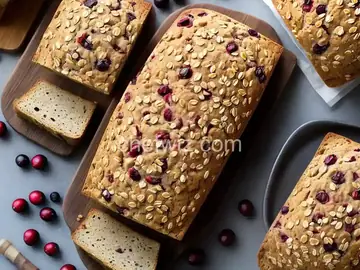
Multigrain Seeded Bread
Rate this recipeBe the first to rate
 By AprilPublished
 Are you on the hunt for a healthy and tasty bread option that will satisfy your cravings while providing you with essential nutrients?
 By AprilPublished
 Are you on the hunt for a healthy and tasty bread option that will satisfy your cravings while providing you with essential nutrients?
In a large bowl, combine whole wheat flour, all-purpose flour, yeast, and salt.
In another bowl, mix together seeds and oats.
In a saucepan, warm water and molasses over low heat until the temperature reaches 120 to 130 degrees F (50 to 55 degrees C).
Add the liquid mixture and egg white to the flour mixture. Mix until a soft dough forms.
Transfer the dough onto a lightly floured surface and knead for 10 minutes, shaping it into a ball.
Lightly oil a large stainless steel bowl. Place the dough in the bowl and turn it to coat it with oil.
Cover the bowl with a tea towel and let the dough rise in a warm place for 2 hours, or until it doubles in size.
Once the dough has risen, punch it down with your fists and add all of the seed mixture, except for 2 tablespoons. Work the seed mixture into the dough.
Shape the dough into a loaf by rolling it into a 12x8 inch rectangle and then rolling it up starting from the shortest end. Pinch the ends together and tuck them underneath.
Place the shaped dough in a non-stick 9x5 inch loaf pan with the seam side down.
Cover the loaf pan with a tea towel and let the dough rise for 1 hour, or until it doubles in size.
Pre
Are you on the hunt for a healthy and tasty bread option that will satisfy your cravings while providing you with essential nutrients? Look no further than multigrain seeded bread! This versatile bread variety is not only delicious but also offers a range of health benefits. In this article, we will delve into the nutritional value of multigrain seeded bread and uncover why it should be a staple in your diet.
Multigrain seeded bread is a unique combination of various grains and seeds blended together to create a flavorful and textured loaf. Unlike regular white bread, which is made predominantly from refined wheat flour, multigrain bread incorporates a mix of whole grains such as oats, rye, barley, and flaxseeds. These ingredients offer a plethora of health benefits, making multigrain seeded bread a superior choice.
One of the main advantages of multigrain seeded bread is its high nutritional value. Packed with essential vitamins, minerals, and dietary fiber, this bread can provide a significant boost to your overall well-being. Whole grains are known for their ability to promote heart health, regulate blood sugar levels, and support healthy digestion.
Furthermore, the inclusion of seeds like flaxseeds, chia seeds, and sunflower seeds adds an extra dose of nutrition to the bread. These tiny powerhouses are rich in omega-3 fatty acids, antioxidants, and protein. They also contribute to the bread's delightful crunch and nutty flavor.
When you bite into a slice of multigrain seeded bread, you experience a delightful combination of flavors and textures. The nuttiness of the seeds, coupled with the hearty taste of the grains, creates a satisfying and wholesome eating experience. Whether you enjoy it plain, toasted, or as a base for sandwiches, multigrain seeded bread offers a delicious and versatile option for any meal.
Whether you follow a vegan, vegetarian, or gluten-free diet, multigrain seeded bread can easily fit into your eating plan. With its wide range of ingredients, this bread caters to diverse dietary preferences, making it a convenient choice for households with different food restrictions. It serves as a nutritious staple that can be enjoyed by everyone, regardless of their dietary needs.
Now that you understand the benefits of multigrain seeded bread, let's explore some delicious ways to incorporate it into your daily meals:
Multigrain seeded bread offers a nutritious and delicious alternative to traditional white bread. With its combination of whole grains and seeds, this bread variety provides a range of health benefits while tantalizing your taste buds. Whether you're looking for a heartier sandwich option or a versatile base for various dishes, multigrain seeded bread is a fantastic choice that will leave you feeling satisfied and nourished.
No, multigrain seeded bread typically contains gluten due to the presence of wheat or other grains that contain gluten. If you're following a gluten-free diet, make sure to check the label or opt for specifically labeled gluten-free bread options.
Yes, you can freeze multigrain seeded bread. Ensure it is properly wrapped or stored in an airtight container to maintain its freshness. When ready to consume, thaw the bread at room temperature or toast it for a delicious crunch.
The calorie count of multigrain seeded bread may vary depending on the specific brand and ingredients. However, due to its higher fiber and nutrient content, multigrain seeded bread can often be a more satisfying option that keeps you fuller for longer.
Absolutely! Making multigrain seeded bread at home can be a rewarding experience. Look for recipes that include a mix of whole grains and seeds, and follow the steps to bake your own nutritious and flavorful loaf.
While multigrain seeded bread does not typically contain nuts, it's important to check the label or consult with the manufacturer to ensure there is no cross-contamination. If you have a severe nut allergy, it's best to opt for bread that is specifically labeled as nut-free.
Multigrain seeded bread, with its high fiber content, can contribute to a feeling of fullness and satiety. This can help in managing portion sizes and controlling cravings, potentially aiding in weight management. However, it's important to consider your overall calorie intake and maintain a balanced diet.
Due to the inclusion of whole grains and seeds, multigrain seeded bread often has a slightly shorter shelf life compared to regular white bread. To ensure its freshness, store it in a cool, dry place or the refrigerator, and consume it before the expiration date.
Yes, multigrain seeded bread can be a nutritious option for children. The variety of flavors and textures can make it appealing to young taste buds. However, ensure that the bread does not contain any ingredients that your child may be allergic to, and monitor their portion sizes according to their age and dietary needs.
AprilCook, recipe developer and the heart of Chefwiz. More about April