Moscow Mule
Rate this recipeBe the first to rate
 By AprilPublished
 Have you ever tried a Moscow Mule? If not, you're in for a treat!
 By AprilPublished
 Have you ever tried a Moscow Mule? If not, you're in for a treat!
Begin by filling a tall glass with ice.
Next, add the desired amount of vodka and lime juice to the glass.
Pour ginger beer into the glass and give it a stir to thoroughly mix the ingredients.
Finally, garnish the drink with a lime wedge for added flavor and presentation.
Have you ever tried a Moscow Mule? If not, you're in for a treat! This refreshing cocktail has gained popularity in recent years, and for good reason. Imagine the crispness of a ginger beer, the tanginess of lime juice, and the smoothness of vodka all coming together in one delicious drink. It's like a party in your mouth!
Let's take a journey back in time to the 1940s. A group of friends, sitting in a bar in Los Angeles, were brainstorming ideas for a new cocktail. They combined vodka, ginger beer, and lime juice, and the Moscow Mule was born. The drink was an instant hit, and its popularity quickly spread across the country. Today, it's a classic cocktail that can be found on the menu of almost every trendy bar.
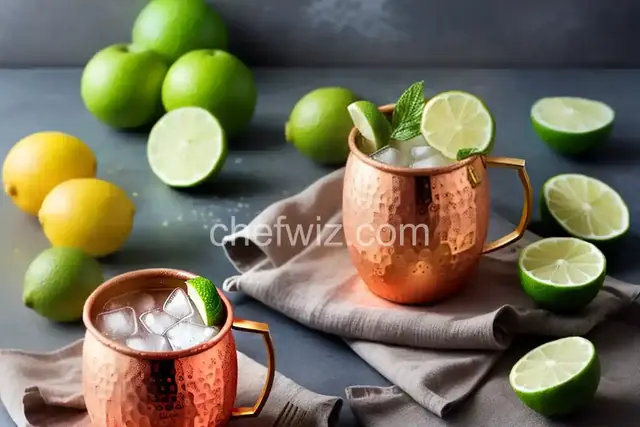
So, how do you make the perfect Moscow Mule? It's actually quite simple. Start with a copper mug – not only does it look stylish, but it also keeps your drink ice-cold. Fill the mug with ice, add a shot of vodka, squeeze in the juice of half a lime, and top it off with ginger beer. Give it a quick stir, and voila! You have a Moscow Mule ready to be enjoyed.
While the classic Moscow Mule is delicious on its own, there are also many variations and twists that you can try. For example, you can add a splash of cranberry juice to create a festive holiday version. Or, if you prefer a sweeter taste, muddle some fresh berries at the bottom of the mug before adding the other ingredients. The possibilities are endless!
Now, you might be wondering why this cocktail is called a Moscow Mule. Well, the answer is quite simple. The name comes from the fact that vodka is a traditional Russian spirit, and the ginger beer gives the drink a kick, just like a mule. It's a clever play on words that adds to the charm of this cocktail.
Whether you're hosting a backyard BBQ, relaxing by the pool, or having a cozy night in, a Moscow Mule is the perfect drink to accompany any occasion. Its refreshing taste and versatility make it a crowd-pleaser for both casual gatherings and formal events. Plus, the copper mug adds an element of style and sophistication to your drink.
Drinking a Moscow Mule is more than just sipping on a cocktail – it's an experience. The combination of flavors and the way they mingle together create a unique sensation that is hard to replicate. The tanginess of the lime cuts through the sweetness of the ginger beer, while the vodka adds a smooth finish. It's a taste that will leave you wanting more.
The Moscow Mule is a classic cocktail that has stood the test of time. Its refreshing flavors, versatility, and unique presentation make it a favorite among cocktail enthusiasts. Whether you're enjoying it at a bar or making it at home, the Moscow Mule is sure to impress. So, next time you're looking for a drink that's both delicious and stylish, give the Moscow Mule a try – you won't be disappointed!
While you can use any type of vodka, it's best to choose one that is smooth and doesn't have a strong flavor. This allows the other ingredients to shine through.
While a copper mug is traditional and adds to the overall experience, you can still enjoy a Moscow Mule in any glassware. The copper mug just adds a touch of authenticity.
Ginger beer has a more intense ginger flavor compared to ginger ale, which may result in a different taste. However, if you can't find ginger beer, ginger ale can be used as a substitute.
Absolutely! Simply omit the vodka and replace it with extra ginger beer. You'll still get to enjoy the refreshing flavors without the alcohol content.
Fresh lime juice is always recommended for the best flavor. Bottled lime juice may not have the same freshness and tanginess as freshly squeezed lime juice.
Yes, you can! Muddling fresh fruits like strawberries, raspberries, or even cucumber can add a burst of flavor to your Moscow Mule. Get creative and experiment with different combinations.
The strength of a Moscow Mule can vary depending on the amount of vodka you use. It's generally a well-balanced drink that is refreshing and easy to sip on.
Yes, there are! The Dark 'n' Stormy and the Kentucky Mule are two cocktails that are similar to the Moscow Mule but have their own unique twists. Give them a try if you're looking to expand your cocktail repertoire.
AprilCook, recipe developer and the heart of Chefwiz. More about April