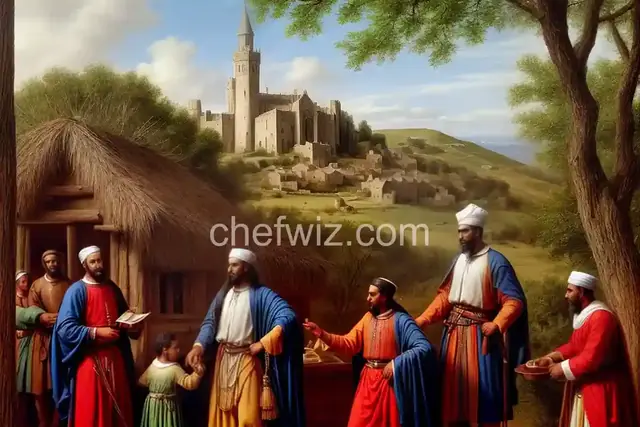
Title: Moors and Christians: A Journey into the Battle that Shaped Spain's History
Introduction:
Have you ever wondered how a single event can shape the course of history? In Spain, there is one such event that stands out - the Moors and Christians battle. This epic clash between two cultures left an indelible mark on Spain's history and shaped its identity. Join me on a journey through time as we explore the significance of the Moors and Christians battle and its lasting impact on the Spanish people.
Heading 1: The Origins of the Conflict
Heading 2: The Arrival of the Moors
Heading 3: The Christian Reconquest
Heading 4: The Battle of Alcoy
Heading 5: The Symbolism of the Moors and Christians Festival
Heading 6: Commemorating the Past
Heading 7: The Influence on Spanish Culture
Heading 8: The Legacy of the Moors and Christians
The Origins of the Conflict:
The conflict between the Moors and Christians can be traced back to the 8th century when the Moors, a Muslim group from North Africa, invaded the Iberian Peninsula. Their arrival marked the beginning of an era of Islamic rule in the region. This clash of cultures would shape the course of Spain's history for centuries to come.
The Arrival of the Moors:
The Moors brought with them advanced knowledge in areas such as science, medicine, and architecture. They established a vibrant civilization, known as Al-Andalus, which thrived for over 700 years. The land flourished under Moorish rule, with cities like Cordoba and Granada becoming centers of learning and culture.
The Christian Reconquest:
As Islamic rule spread, Christian kingdoms in the north fought back, initiating a long and arduous reconquest known as the "Reconquista." Christian rulers like King Ferdinand and Queen Isabella led the charge, pushing the Moors southward. This period of conflict and conquest would eventually culminate in the Battle of Alcoy.
The Battle of Alcoy:
The Battle of Alcoy, fought in 1276, was a decisive moment in the Moors and Christians conflict. The Christian forces, led by King James I of Aragon, successfully defeated the Moors, driving them further south. This victory marked a turning point in the Reconquista and solidified Christian dominance in the region.
The Symbolism of the Moors and Christians Festival:
Today, the Moors and Christians battle is commemorated through vibrant festivals held across Spain. These festivals, known as "Fiestas de Moros y Cristianos," bring the past to life through colorful parades, reenactments, and elaborate costumes. They serve as a reminder of the struggles and triumphs of the past, fostering a sense of unity and pride among the Spanish people.
Commemorating the Past:
The Moors and Christians festivals are not just about celebration; they also provide an opportunity for reflection and remembrance. Through these events, the Spanish people pay homage to their ancestors who fought valiantly for their beliefs. They honor the sacrifices made by both the Moors and Christians, acknowledging the complex nature of history.
The Influence on Spanish Culture:
The Moors' presence in Spain left an indelible imprint on the country's culture. Their contributions can be seen in the architecture, cuisine, and language of modern-day Spain. The famous Alhambra Palace in Granada stands as a testament to the Moorish architectural legacy, while dishes like paella showcase the fusion of Moorish and Spanish culinary traditions.
The Legacy of the Moors and Christians:
The Moors and Christians battle is not just a distant memory; it continues to shape Spain's identity today. The clash of cultures, the struggles for power, and the pursuit of freedom are themes that resonate with the Spanish people. This historic event serves as a reminder of the strength and resilience of a nation that emerged from centuries of conflict.
Conclusion:
The Moors and Christians battle stands as a testament to the enduring power of history. It is a story of conquest and resistance, of unity and diversity. Through festivals and commemorations, the Spanish people keep this story alive, ensuring that future generations understand the significance of the past. The Moors and Christians battle is not just a chapter in a history book; it is a living, breathing part of Spain's cultural fabric.
FAQs:
1. What were the Moors and Christians fighting for?
- The Moors and Christians battled for control of the Iberian Peninsula, with the Moors seeking to establish Islamic rule and the Christians fighting to reclaim their lands.
2. How long did the Moors rule Spain?
- The Moors ruled Spain for over 700 years, from the 8th century until the late 15th century.
3. What is the significance of the Battle of Alcoy?
- The Battle of Alcoy was a turning point in the Reconquista, marking a decisive victory for the Christians and solidifying their dominance in the region.
4. How are the Moors and Christians battle commemorated today?
- The Moors and Christians battle is commemorated through vibrant festivals, known as "Fiestas de Moros y Cristianos," held across Spain.
5. What is the symbolism behind the Moors and Christians festival costumes?
- The costumes worn during the festivals symbolize the different factions involved in the conflict, with the Moors and Christians each having their distinct attire.
6. What are some examples of Moorish architectural influences in Spain?
- The Alhambra Palace in Granada and the Mezquita in Cordoba are prime examples of Moorish architectural influences in Spain.
7. How did the Moors' presence in Spain influence Spanish cuisine?
- The Moors introduced ingredients such as rice, saffron, and almonds, which are staples in dishes like paella, a famous Spanish rice dish.
8. Is the Moors and Christians battle still relevant today?
- Yes, the Moors and Christians battle continues to shape Spain's identity and is commemorated as a reminder of the country's history and cultural diversity.
Now, here is the entire article formatted in HTML:
Moors and Christians: A Journey into the Battle that Shaped Spain's History
Introduction:
Have you ever wondered how a single event can shape the course of history? In Spain, there is one such event that stands out - the Moors and Christians battle. This epic clash between two cultures left an indelible mark on Spain's history and shaped its identity. Join me on a journey through time as we explore the significance of the Moors and Christians battle and its lasting impact on the Spanish people.
The Origins of the Conflict
The conflict between the Moors and Christians can be traced back to the 8th century when the Moors, a Muslim group from North Africa, invaded the Iberian Peninsula. Their arrival marked the beginning of an era of Islamic rule in the region. This clash of cultures would shape the course of Spain's history for centuries to come.
 By AprilPublished