Mooncakes
Rate this recipeBe the first to rate
 By AprilPublished
 Have you ever wondered what makes mooncakes so special? These delectable pastries have a rich history and are enjoyed by millions of people around the world.
 By AprilPublished
 Have you ever wondered what makes mooncakes so special? These delectable pastries have a rich history and are enjoyed by millions of people around the world.
Place the dried lotus seeds in a medium bowl and cover with room temperature water. Let them soak for at least 6 hours or overnight.
Rinse the lotus seeds under cold water and split them in half to remove the bitter green sprout in the center. Discard the sprout.
Transfer the lotus seeds to a large pot and fill with water. Bring to a boil and simmer over medium-low heat for about 1 hour, until the seeds are tender enough to be mashed with a fork.
Drain the seeds well and transfer them to a food processor while still warm. Add 3/4 cup sugar and puree until smooth. If needed, add 1 to 2 tablespoons of water for a smoother texture.
Strain the puree through a fine mesh sieve into a medium bowl.
In a medium nonstick skillet, melt 1 tablespoon of vegetable shortening and 2 tablespoons of sugar over medium-high heat. Cook until caramelized and deep golden, about 5 minutes.
Add the lotus puree to the skillet and cook, stirring continuously, until most of the moisture has evaporated and the puree resembles thick mashed potatoes. This takes about 6 to 8 minutes.
Add the remaining 1/3 cup of vegetable shortening and continue to cook, stirring continuously, until the shortening is fully incorporated and the paste becomes very thick
Have you ever wondered what makes mooncakes so special? These delectable pastries have a rich history and are enjoyed by millions of people around the world. Whether you're celebrating the Mid-Autumn Festival or simply want to indulge in a sweet treat, mooncakes are the perfect choice. In this article, we'll explore the origins of mooncakes, their significance, and the different types available. So, grab a cup of tea and let's dive into the world of mooncakes!
Like many traditional delicacies, mooncakes have a fascinating origin story. Legend has it that mooncakes were first created during the Yuan Dynasty in China. The story goes that the Chinese people were suffering under the rule of the Mongols, who were notoriously oppressive. To organize a rebellion, secret messages were hidden inside mooncakes, which were distributed among the people. This ingenious method allowed the rebels to communicate without arousing suspicion.
Over time, mooncakes became associated with the Mid-Autumn Festival, which is celebrated on the 15th day of the eighth lunar month. This festival holds great significance in Chinese culture, symbolizing family unity and the harvest season. Mooncakes have become an integral part of the festivities, with families coming together to share these delectable treats under the light of the full moon.
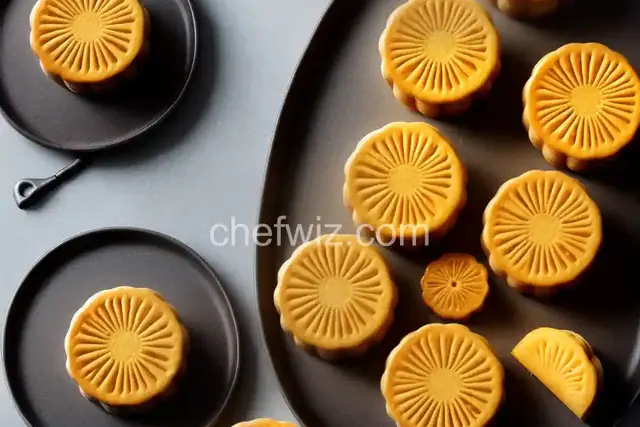
Mooncakes are not just delicious pastries; they hold deep cultural and symbolic meaning. The round shape of mooncakes represents completeness and unity, reflecting the full moon during the Mid-Autumn Festival. Moreover, the intricate designs on the surface of mooncakes showcase the craftsmanship and attention to detail that goes into their creation.
Another important aspect of mooncakes is the filling. Traditional mooncakes are often filled with lotus seed paste or red bean paste, symbolizing good fortune and a sweet life. In recent years, however, bakers have taken creativity to new heights, offering a wide variety of fillings such as salted egg yolk, durian, and even chocolate. These innovative flavors cater to different palates and add a modern twist to this age-old treat.
When it comes to mooncakes, there is no shortage of options to choose from. Traditional mooncakes are often categorized into four main types:
Cantonese-style mooncakes are the most well-known type, with a thin, golden crust and a sweet, dense filling. These mooncakes are often filled with lotus seed paste and may contain salted egg yolks for an extra burst of flavor.
Suzhou-style mooncakes are known for their flaky pastry and delicate flavors. These mooncakes are often filled with a variety of sweet or savory fillings, such as red bean paste, pork floss, or even ham.
Beijing-style mooncakes are larger in size and have a thicker crust. These mooncakes are often filled with a mixture of five nuts and seeds, including walnuts, almonds, sesame seeds, pumpkin seeds, and melon seeds.
Taiwanese-style mooncakes are known for their soft, chewy texture and diverse flavors. These mooncakes often have a mochi-like exterior and can be filled with anything from taro paste to green tea paste.
These are just a few examples of the many types of mooncakes available today. Each region in China has its own unique take on mooncakes, resulting in a wide range of flavors and textures to explore.
Whether you're celebrating the Mid-Autumn Festival or simply want to enjoy a delightful treat, mooncakes are the perfect choice. Their rich history, cultural significance, and diverse flavors make them a versatile pastry that can be enjoyed on various occasions.
So, the next time you're craving something sweet or want to experience a taste of Chinese culture, indulge in a mooncake. With each bite, you'll be transported to a world of tradition and flavor.
While mooncakes are commonly associated with the Mid-Autumn Festival, they can also be enjoyed throughout the year as a delicious treat.
Absolutely! There are many recipes available online that guide you through the process of making mooncakes from scratch.
Mooncakes have a relatively long shelf life, typically ranging from one week to one month, depending on the filling and how they are stored.
Traditional mooncakes are not gluten-free, as they are made with wheat flour. However, there are gluten-free alternatives available for those with dietary restrictions.
Yes, mooncakes can be frozen to prolong their shelf life. Just make sure to store them in an airtight container to prevent freezer burn.
Traditional mooncakes are not vegan-friendly, as they often contain animal products such as eggs or lard. However, there are vegan mooncake options available in some bakeries.
Absolutely! Many bakeries offer the option to customize the filling of your mooncakes, allowing you to create a flavor combination that suits your taste.
While mooncakes have deep roots in Chinese culture, they have gained popularity worldwide and are enjoyed by people of various ethnic backgrounds.
In conclusion, mooncakes are more than just pastries; they are a symbol of tradition, unity, and indulgence. Whether you're savoring a classic Cantonese-style mooncake or exploring innovative flavors, these delightful treats are sure to satisfy your taste buds and leave you craving for more. So, go ahead and treat yourself to a mooncake, and experience the magic of this beloved delicacy.
AprilCook, recipe developer and the heart of Chefwiz. More about April