Moon Cake
Rate this recipeBe the first to rate
 By AprilPublished
 When it comes to delectable treats that not only tantalize our taste buds but also carry deep cultural significance, moon cakes take center stage.
 By AprilPublished
 When it comes to delectable treats that not only tantalize our taste buds but also carry deep cultural significance, moon cakes take center stage.
Preheat the oven to 400 degrees F (200 degrees C) and lightly grease a 10x15-inch jelly roll pan.
In a large saucepan, bring water and margarine to a boil. Remove from heat and use an electric mixer to mix in flour.
Add eggs one at a time, beating well after each addition.
Spread the cake batter evenly in the prepared pan.
Bake in the preheated oven for 20 to 25 minutes.
Set aside to cool completely.
In a large bowl, combine pudding mix, milk, and cream cheese.
Use an electric mixer to mix until smooth.
Spread the mixture evenly over the cooled cake crust.
Top with whipped topping and drizzle with chocolate syrup.
Chill in the refrigerator and serve cold.
When it comes to delectable treats that not only tantalize our taste buds but also carry deep cultural significance, moon cakes take center stage. These traditional pastries, enjoyed during the Mid-Autumn Festival, have a rich history that spans centuries. In this article, we will explore the fascinating world of moon cakes, their symbolism, and the joyous festivities that surround them.
Moon cakes have a long and storied past, dating back to ancient China. Legend has it that during the Yuan Dynasty, Chinese rebels used these pastries as a means to communicate secret messages and plan an uprising against the ruling Mongols. The round shape of moon cakes, resembling the full moon, became a symbol of unity and resistance.
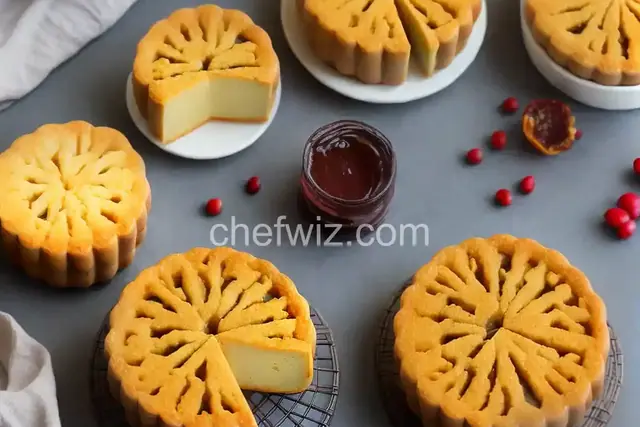
One bite into a moon cake reveals a delightful medley of flavors and textures. The outer crust is often made from tender, golden-brown pastry, while the filling can vary from sweet lotus seed paste to rich salted egg yolks. Some modern variations even include innovative ingredients like matcha, red bean, or even chocolate.
The Mid-Autumn Festival, also known as the Moon Festival, is a time when families gather to honor the full moon and express gratitude for the bountiful harvest. It is an occasion filled with joy, laughter, and the sharing of moon cakes. The festival is celebrated not only in China but also in various parts of Asia, including Vietnam, Malaysia, and Singapore.
During the Mid-Autumn Festival, moon cakes are exchanged as gifts between friends, family members, and business associates. Giving moon cakes is not only a gesture of love and respect but also a way to strengthen relationships and foster goodwill. The act of sharing these delectable treats represents the importance of togetherness and unity.
In today's fast-paced society, where traditions are often overshadowed by the demands of modern life, the significance of moon cakes remains steadfast. These delectable pastries serve as a reminder of the importance of preserving cultural heritage and cherishing moments of togetherness with loved ones.
While moon cakes are traditionally associated with the Mid-Autumn Festival, they are also enjoyed throughout the year on various occasions.
Absolutely! There are numerous recipes available online for those who wish to try their hand at making moon cakes from scratch.
Traditional moon cakes contain wheat flour, which means they are not gluten-free. However, there are gluten-free alternatives available for those with dietary restrictions.
Moon cakes should be stored in a cool, dry place, preferably in an airtight container, to maintain their freshness and flavor.
Yes, moon cakes can be frozen for future consumption. Just make sure to wrap them tightly to prevent freezer burn.
Lotus seed paste symbolizes purity and perfection in Chinese culture, making it a popular choice for moon cake fillings.
There are numerous types of moon cakes, ranging from traditional flavors to modern interpretations, each with its own unique taste.
Yes, there are vegetarian moon cakes available that use plant-based ingredients instead of animal products.
Apart from enjoying moon cakes, lantern parades, moon gazing, and storytelling are some of the customs associated with the Mid-Autumn Festival.
In conclusion, moon cakes are not merely delicious pastries; they are a symbol of unity, togetherness, and cultural heritage. Whether enjoyed during the Mid-Autumn Festival or on any other occasion, these treats bring people closer and remind us of the importance of cherishing traditions in a rapidly changing world. So, why not indulge in a moon cake and savor the flavors of tradition?
AprilCook, recipe developer and the heart of Chefwiz. More about April