Are you a fan of creamy, garlicky goodness? Look no further than the modern Spanish-style allioli, a delectable olive oil and garlic mayonnaise that will elevate any dish to new heights. In this article, we will explore the origins and variations of this beloved condiment, as well as provide you with tips on how to make your own batch at home. So, grab your mortar and pestle, and let's dive into the world of allioli!
The Origins of Allioli
Allioli, which means "garlic and oil" in Catalan, has a long and storied history in Mediterranean cuisine. It is believed to have originated in Catalonia, Spain, where it was traditionally made by pounding garlic cloves in a mortar and pestle, slowly incorporating olive oil until a thick and creamy emulsion formed. This labor-intensive process required patience and skill, but the resulting allioli was well worth the effort.
Over time, allioli spread throughout the Mediterranean region, with each country putting its own spin on the recipe. In Provence, France, for example, allioli is often made with the addition of egg yolks, giving it a smoother and more stable texture. In some regions of Italy, lemon juice or vinegar is added to give the allioli a tangy kick. Regardless of its variations, allioli remains a staple in Mediterranean cooking.
Modern Allioli: A Twist on Tradition
While the traditional method of making allioli is still cherished by purists, modern cooks have found ways to simplify the process without sacrificing flavor. Instead of laboriously pounding garlic in a mortar and pestle, many recipes now call for using a blender or food processor to create the emulsion. This method allows for a quicker and more consistent result, making allioli accessible to home cooks of all skill levels.
Aside from the preparation method, modern allioli recipes often incorporate additional flavorings to enhance the taste. Some common additions include lemon juice, Dijon mustard, or even a pinch of saffron. These variations add depth and complexity to the allioli, making it a versatile condiment that can be paired with a wide range of dishes.
Making Allioli at Home
Making allioli at home is a straightforward process that requires just a few simple ingredients. Start by peeling and crushing several garlic cloves, then combine them with salt in a mortar or food processor. Gradually add olive oil while continuously mixing until a thick and creamy consistency is achieved. Finally, add any additional flavorings and adjust the seasoning to taste. The result? A creamy and flavorful allioli that will have your taste buds dancing with joy.
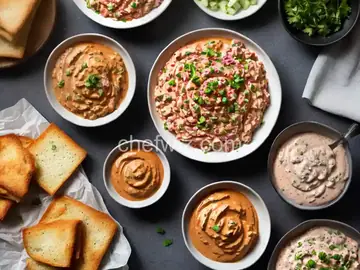
When serving allioli, consider its versatility. It can be enjoyed as a dip for crusty bread, a condiment for grilled meats and vegetables, or even as a base for dressings and sauces. The possibilities are endless!
In Conclusion
Allioli is a versatile and flavorful condiment that adds a punch of garlic goodness to any dish. Whether you choose to make it the traditional way or opt for a modern twist, allioli is sure to elevate your culinary creations. So, don't be afraid to get creative in the kitchen and experiment with different variations. Your taste buds will thank you!
Frequently asked questions
- . Can I use vegetable oil instead of olive oil?
While olive oil is the traditional choice for allioli, you can experiment with different oils to suit your taste. However, keep in mind that the flavor of the oil will greatly impact the final result.
- . Can I make allioli without garlic?
Allioli is known for its intense garlic flavor, so omitting garlic would significantly alter the taste. However, if you prefer a milder version, you can reduce the amount of garlic or use roasted garlic instead.
- . How long does allioli last in the fridge?
Allioli can be stored in the refrigerator for up to one week. Be sure to keep it in an airtight container to maintain its freshness.
- . Can I freeze allioli?
Unfortunately, allioli does not freeze well due to its high oil content. It is best enjoyed fresh.
- . Is allioli the same as aioli?
Allioli and aioli are two names for the same condiment. The term "aioli" is commonly used in France and other Mediterranean countries, while "allioli" is the Catalan name for the sauce.
- . Can I make allioli in a blender?
Yes, a blender or food processor can be used to make allioli. This method offers a quicker and more convenient alternative to the traditional mortar and pestle.
- . Can I use store-bought mayonnaise instead?
While store-bought mayonnaise can be used as a shortcut, it will not yield the same authentic flavor and texture as homemade allioli.
- . Can I adjust the consistency of allioli?
If your allioli turns out too thick, you can add a small amount of water or lemon juice to thin it out. Alternatively, if it is too thin, you can slowly drizzle in more olive oil while mixing to thicken it.
 By AprilPublished