Mock Beef Tenderloin
Rate this recipeBe the first to rate
 By AprilPublished
 Are you a meat lover who is looking to incorporate more plant-based options into your diet?
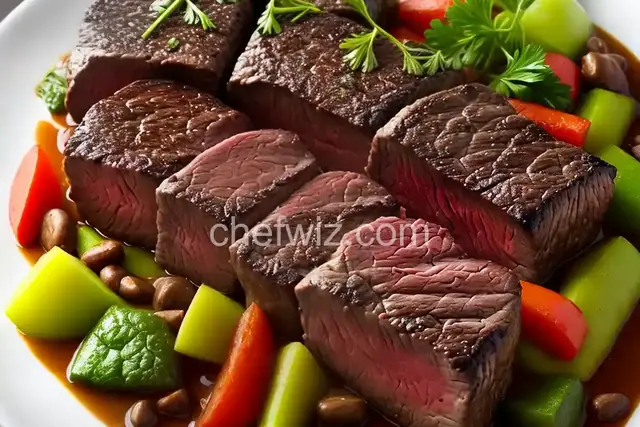 By AprilPublished
 Are you a meat lover who is looking to incorporate more plant-based options into your diet?
Rinse the beef shoulder to remove any residue and pat it dry with paper towels. Place it on a platter.
In a small bowl, combine the Smokey Rotisserie Seasoning and Garlic Pepper to make a rub for the beef. Rub the seasonings into all surfaces of the beef.
Cover the beef with plastic wrap and let it sit at room temperature for at least 30 minutes, up to 2 hours. This will allow the seasonings to flavor the meat.
Preheat the oven to 425 degrees F.
Heat 1 tablespoon of oil in an ovenproof skillet over high heat. Sear all sides of the beef in the skillet.
Cover the skillet with a lid or foil and transfer it to the oven. Cook the beef until it reaches an internal temperature of 115 degrees F on an instant-read thermometer, which should take about 30 minutes.
While the beef is cooking in the oven, heat the remaining oil in a separate pan over medium-high heat. Cook the onions until they become translucent, then add the mushrooms and cook until they soften and release their juices.
Season the onions and mushrooms with salt and pepper to taste.
Remove the beef from the oven and let it rest for 10 to 15 minutes. This will allow the internal temperature to reach 132 degrees F for medium-rare.
Slice the beef into steaks and transfer them to a serving
Are you a meat lover who is looking to incorporate more plant-based options into your diet? Look no further than mock beef tenderloin, a mouthwatering alternative that will satisfy your cravings and leave you wanting more. In this article, we'll explore what mock beef tenderloin is, how it's made, and why it's becoming increasingly popular amongst meat enthusiasts and vegans alike.
Mock beef tenderloin is a plant-based substitute for the traditional beef tenderloin, which is known for its tender and juicy texture. It is made using a combination of plant-based ingredients, such as vital wheat gluten, soy protein, and various seasonings, to recreate the taste and texture of real beef. The result is a flavorful and protein-rich alternative that can be used in a variety of dishes.
The process of making mock beef tenderloin involves combining the plant-based ingredients with water, kneading the mixture to develop the gluten, and shaping it into a tenderloin-like form. The mixture is then seasoned with a blend of herbs, spices, and sauces to enhance the flavor profile. Finally, it is cooked using various methods, such as baking, grilling, or pan-frying, to achieve the desired texture and taste.
There are several reasons why mock beef tenderloin is gaining popularity among both meat eaters and vegans:
Mock beef tenderloin is a healthier alternative to traditional beef tenderloin. It is lower in saturated fat and cholesterol, making it a heart-healthy choice. Additionally, it is packed with protein, essential amino acids, and other nutrients found in plant-based ingredients.
By choosing mock beef tenderloin over traditional beef, you are reducing your carbon footprint. The production of plant-based ingredients requires fewer resources and generates fewer greenhouse gas emissions compared to raising livestock.
Mock beef tenderloin is a cruelty-free option that allows you to enjoy the taste and texture of meat without the need for animal slaughter. By opting for plant-based alternatives, you are taking a stand against animal cruelty and promoting ethical consumption.
Mock beef tenderloin can be used in a variety of dishes, just like its traditional counterpart. Here are a few ideas to get you started:
Slice the mock beef tenderloin into strips and stir-fry it with your favorite vegetables and sauces for a quick and delicious meal.
Season the mock beef tenderloin with taco spices, grill or pan-fry it, and serve it in taco shells with your favorite toppings.
Cut the mock beef tenderloin into cubes, marinate it in a flavorful sauce, and skewer it with vegetables before grilling or baking.
Mock beef tenderloin is a delectable and plant-based alternative to traditional beef tenderloin. It offers numerous health benefits, reduces environmental impact, and promotes animal welfare. By incorporating mock beef tenderloin into your meals, you can enjoy the taste and texture of meat while making a positive impact on your health and the planet.
Yes, mock beef tenderloin is entirely plant-based and suitable for vegetarians and vegans.
While it may not be available in all grocery stores, you can often find mock beef tenderloin in specialty or health food stores. Alternatively, you can make it at home using readily available ingredients.
While mock beef tenderloin aims to replicate the taste and texture of real beef, it may not be an exact match. However, many people find it incredibly delicious and satisfying in its own unique way.
Yes, you can freeze mock beef tenderloin for future use. Make sure to store it in an airtight container or freezer bag to maintain its freshness.
Yes, mock beef tenderloin often contains vital wheat gluten, which gives it its meat-like texture. If you have a gluten intolerance or allergy, there are gluten-free alternatives available.
Absolutely! Marinating mock beef tenderloin can enhance its flavor and provide additional moisture. Experiment with different marinades to find your favorite combination.
The cooking time for mock beef tenderloin can vary depending on the recipe and cooking method. Follow the instructions provided with your specific recipe for best results.
Yes, there are several other plant-based alternatives to beef tenderloin, such as seitan, tempeh, and tofu. Each offers its own unique taste and texture, allowing you to explore a variety of flavors.
AprilCook, recipe developer and the heart of Chefwiz. More about April